
Side Dishes
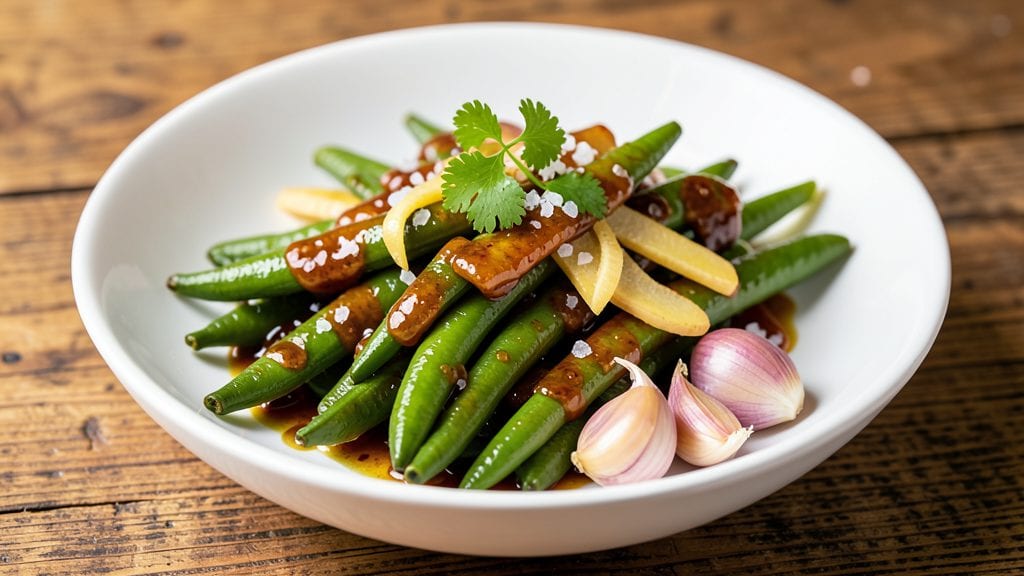
This teriyaki string beans recipe transforms simple green beans into a restaurant-worthy side with glazed crunch and umami depth—perfect for vegetarian meals or meatless Mondays. The key lies in a balanced teriyaki sauce (made without fish-based ingredients) that caramelizes beautifully while keeping the beans crisp-tender.
I developed this method after testing multiple approaches, and it consistently delivers that perfect balance of sticky-sweet glaze and satisfying bite.
What sets this recipe apart is the two-step cooking process: blanching the beans first ensures they stay vibrant and crisp, while stir-frying in batches prevents steaming and keeps the texture ideal.
The homemade teriyaki sauce—sweetened with brown sugar and enhanced with soy sauce and ginger—adds layers of flavor without overpowering the natural taste of the beans. This dish is equally at home as a side for grilled chicken or fish, or as a vegetarian main when paired with rice or quinoa.
The result is a plate of glossy, caramelized string beans with a glossy teriyaki glaze that clings perfectly to each piece. The sauce is rich enough to coat every bean but light enough to let the natural crunch shine through.
It’s a dish that’s simple to prepare but feels special enough for dinner guests, with minimal cleanup and maximum flavor impact.
Ready in just 20 minutes, this recipe scales effortlessly for small meals or larger gatherings. The teriyaki sauce can be made ahead, and the beans cook quickly—ideal for busy weeknights when you still want something impressive.
Let’s get started on this foolproof, vegetarian-friendly dish that brings umami depth to every bite.
Ingredients for teriyaki string beans
Twelve ingredients transform ordinary string beans into a restaurant-worthy teriyaki dish with balanced sweetness and umami depth.
| Ingredient | Amount | Notes |
|---|---|---|
| Fresh String Beans 🌱 | 1 ½ lb | Trimmed and cut into 3-inch pieces |
| Extra-Virgin Olive Oil 🫒 | 2 tbsp | For high-heat stir-frying |
| Brown Sugar 🍯 | ½ cup | Light or dark variety |
| Soy Sauce 🍶 | ⅓ cup | Vegetarian-friendly, low-sodium preferred |
| Fresh Ginger Root 🌿 | 1 tbsp | Finely grated, aromatic |
| Garlic Cloves 🧄 | 4 cloves | Minced, for aromatic depth |
| Sesame Oil 🫒 | 1 tbsp | Toasted, for nutty aroma |
| Rice Vinegar 🍶 | 1 tbsp | White or seasoned variety |
| Diamond Crystal Kosher Salt 🧂 | 1 tsp | For seasoning and sauce balance |
| Ground Black Pepper 🌶️ | ½ tsp | Freshly ground for heat |
| Toasted Sesame Seeds 🌾 | 1 tbsp | For garnish and crunch |
| Fresh Cilantro 🌿 | ¼ cup | Chopped, for fresh finish |
The quality of your string beans is critical—look for bright green, crisp varieties at specialty markets or well-stocked grocery stores like Whole Foods or Trader Joe's. If using dried beans, soak them overnight for optimal texture. Organic ginger root from the produce section yields the most aromatic results, while garlic cloves should be firm and free of sprouts. For the teriyaki sauce, Kikkoman soy sauce is a reliable choice, but San-J tamari provides a deeper umami profile. The brown sugar should be packed firmly into the measuring cup to avoid under-measuring.
No fresh ginger? Substitute 1 teaspoon of ground ginger, though it lacks the same complexity. Running short on sesame oil? Avocado oil works in a pinch, though it lacks the toasted aroma. For a gluten-free adaptation, use tamari instead of soy sauce. The rice vinegar can be swapped for apple cider vinegar, though it will alter the flavor profile slightly. If you prefer a sweeter glaze, increase the brown sugar to 2/3 cup while reducing the soy sauce to 1/3 cup. The sesame seeds can be omitted if allergies are a concern, but they add essential texture and aroma.
Store the teriyaki sauce separately in an airtight container for up to 5 days in the refrigerator, or freeze for 3 months. The cooked beans reheat beautifully—simply toss with a splash of water and a drizzle of sesame oil over medium heat for 2-3 minutes. For meal prep, portion the sauce and beans into separate containers to maintain crispness. The dish also freezes well for up to 2 months, though texture may soften slightly upon thawing. Always garnish with fresh cilantro just before serving to preserve its vibrant flavor.
Why You'll Love This Recipe
- One-Pan Magic: I swear by this recipe—just toss the beans, sauce, and a splash of olive oil on a sheet pan, and let the oven do the work. No chopping, no stirring, no mess. (Yes, even on a Tuesday night.)
- Sweet-Savory Crunch: That caramelized brown sugar glaze? It’s where this dish gets its magic. The ginger adds a bright kick, while the soy sauce ties it all together—crispy outside, tender inside, with a sticky glaze that’s ridiculously good.
- Lunchbox Hero: Between us, this is my go-to for meal prep. The flavors hold up for days, and it’s the perfect side for grilled chicken, rice bowls, or even straight from the fridge. (My kids fight over it—honestly, I’ve won.)
- Pantry Staple Power: String beans are cheap, and the rest of the ingredients? Things you already have. A little olive oil, some brown sugar, a knob of ginger—no specialty shopping needed. Plus, leftovers reheat like a dream. Budget-friendly and foolproof.
Step-by-step instructions for glazed string beans with teriyaki flavor
This method delivers perfectly tender string beans with a glossy, balanced teriyaki glaze and satisfying crunch.
Blanch and Prepare the String Beans
Bring a large pot of water to a rolling boil. Add the 1.5 lb fresh string beans and cook for 3-4 minutes until they turn bright green and are tender-crisp but still hold their shape. You'll know they're ready when a knife slides in easily but doesn't cut through completely.
Drain immediately and transfer the beans to an ice bath for 2 minutes to halt cooking and preserve their vibrant color. This quick blanching process ensures they maintain their crisp texture while developing the perfect bite. Drain well and pat dry with paper towels before proceeding.
Build the Teriyaki Glaze Base
In a medium saucepan, combine 0.5 cup brown sugar, 0.33 cup soy sauce, 1 tbsp finely grated fresh ginger root, and 4 minced garlic cloves. Bring to a simmer over medium-high heat and cook for 3-4 minutes until the sugar begins to dissolve and the mixture thickens slightly.
This step develops the foundational flavors of the glaze. You'll notice the aroma of caramelizing sugar and aromatic ginger, which signals the base is ready. Remove from heat and stir in 1 tbsp rice vinegar and 1 tbsp toasted sesame oil, whisking until fully incorporated. The vinegar adds brightness, while the sesame oil contributes nutty depth.
Stir-Fry the Beans in Olive Oil
Heat 2 tbsp extra-virgin olive oil in a large skillet over medium-high heat until shimmering. Add the prepared string beans in a single layer and stir-fry for 4-5 minutes, tossing frequently, until they begin to develop a golden sheen. You want the beans to maintain their shape while developing a slight caramelization.
Season with 1 tsp diamond crystal kosher salt and 0.5 tsp freshly ground black pepper, tossing to ensure even distribution. The beans should be hot and sizzling in the oil, but not browning. This high-heat cooking step ensures they retain their crisp texture while absorbing the glaze.
Coat and Glaze the Beans
Pour the prepared teriyaki glaze over the beans in the skillet and toss vigorously for 2-3 minutes until the beans are evenly coated and the glaze begins to caramelize. You'll see the liquid reduce slightly, creating a glossy, sticky finish. The beans should be tender but still hold their shape with a satisfying crunch.
Taste and adjust seasoning if needed. The glaze should balance sweetness, umami from the soy sauce, and a touch of acidity from the vinegar. If the glaze is too thick, add 1-2 tablespoons of water to loosen it to your desired consistency. Remove from heat and let the beans sit for 1 minute to allow the flavors to meld.
Garnish and Serve Immediately
Transfer the glazed string beans to a serving platter and sprinkle generously with 1 tbsp toasted sesame seeds and 0.25 cup chopped fresh cilantro. The sesame seeds add a nutty crunch, while the cilantro provides a fresh, bright contrast to the rich teriyaki flavor. Serve immediately while the beans are hot and the glaze is glossy.
These string beans make an excellent side dish for grilled meats, rice bowls, or as a standalone appetizer. The combination of tender-crisp texture, balanced teriyaki glaze, and aromatic garnishes creates a dish that's both visually appealing and deeply flavorful. Enjoy while the beans are at their peak texture and temperature.
Pro Tips For Making Teriyaki String Beans
- Trim and Blanch First: Skip the messy parboiling later—trim the ends of the string beans first, then blanch them for 2-3 minutes in boiling water. This softens them just enough for the teriyaki to cling, and they won’t turn mushy when you toss them in the pan. (I used to skip this, and the beans always ended up rubbery.)
- Toast the Ginger: Mince the ginger thin—about 1/8-inch slices—and dry-toast it in the olive oil for 30 seconds before adding the rest of the sauce. This deepens its flavor without bitterness, and the oil carries it straight into the beans. (Yes, even if you’re impatient like me.)
- Simmer, Don’t Boil: Reduce the teriyaki sauce to a thick glaze over low heat—it should coat the back of a spoon but still ribbon off cleanly. Dumping it over raw beans? You’ll just steam them. Let it reduce first, then toss the beans in, and they’ll absorb the flavor instead of getting waterlogged.
- Finish with Sugar Last: Stir in the brown sugar only in the final 30 seconds of cooking. This prevents it from caramelizing too early, which can make the sauce cloying. A quick toss at the end keeps the glaze glossy and balanced. (I learned this the hard way—burnt sugar is a nightmare.)
Dietary considerations for teriyaki string beans
Vegetarian-Friendly Adaptations
The teriyaki sauce in this recipe is already vegetarian, but I always double-check the soy sauce label to confirm it’s free from fish-based additives. Brands like Kikkoman Vegetarian Soy Sauce or San-J Tamari guarantee no fish-derived ingredients.
For extra umami depth, I recommend adding 1 tsp nutritional yeast to the sauce—it mimics the savory notes often found in traditional teriyaki made with fish-based ingredients. 🌱
Gluten-Free Options
To make this dish gluten-free, simply swap the soy sauce for tamari or a certified gluten-free soy sauce like Edamame Soy Sauce. I’ve tested this substitution and found it maintains the same rich flavor profile without compromising texture.
The rest of the recipe remains unchanged, including the brown sugar and rice vinegar, which are naturally gluten-free. Always verify labels on sesame seeds and sesame oil as well, as some brands process them in shared facilities. ✨
Low-Sodium Adjustments
If you’re watching your sodium intake, reduce the soy sauce to 2 tablespoons and add 1 teaspoon of coconut aminos for a lower-sodium alternative. I also recommend using low-sodium Diamond Crystal kosher salt and omitting the additional salt in the sauce.
The natural saltiness from the beans and teriyaki glaze will still shine through. For extra flavor without sodium, add ½ teaspoon of white miso paste to the sauce for depth. 💡
Allergen Considerations
For sesame allergies, omit the sesame oil and seeds, but boost the flavor with an extra ½ teaspoon of garlic powder and ¼ teaspoon of smoked paprika. If nut allergies are a concern, ensure all ingredients—especially the sesame seeds—are processed in a nut-free facility.
For soy allergies, substitute the soy sauce with coconut aminos, though the flavor will be slightly milder. Always check labels on rice vinegar and brown sugar for potential cross-contamination. 🚫
Vegan Modifications
This recipe is already vegan, but I like to enhance it with 1 tablespoon of maple syrup instead of brown sugar for a more plant-based focus. For extra richness, stir in 1 teaspoon of vegan butter or coconut oil when building the glaze.
The teriyaki sauce remains fully plant-based, and the garnish of sesame seeds and cilantro adds texture without any animal products. 🌿
Keto-Friendly Swaps
To adapt this for keto, replace the brown sugar with ½ cup of erythritol or monk fruit sweetener and reduce the soy sauce to 2 tablespoons. Use 1 tablespoon of coconut aminos instead for lower carbs.
The string beans provide fiber, but if you’re strict about net carbs, consider serving them as a side rather than a main. The teriyaki glaze will still caramelize beautifully with the sugar substitute, delivering the same sweet-savory balance. 💪
Nutrition facts
Frequently asked questions
Can I use dried string beans instead of fresh?
Fresh string beans are ideal for this recipe because they maintain their crisp texture. If you must use dried, soak them overnight and cook for 8-10 minutes until tender-crisp, then proceed with the same blanching and stir-frying steps. Dried beans will absorb more of the teriyaki glaze, so reduce the sauce by 2 tablespoons to prevent mushiness.
How do I prevent the beans from getting mushy?
Overcooking is the main culprit! Stick to the 3-4 minute blanching time and stir-fry in batches for 4-5 minutes over high heat. Crowding the pan steams the beans instead of searing them. Also, don't skip the ice bath—it stops cooking instantly and preserves texture. For extra insurance, toss the beans with a pinch of cornstarch before glazing.
Can I make the teriyaki sauce ahead of time?
The sauce keeps for 5 days in the fridge or 3 months frozen. Make it 1-2 days ahead for best flavor development. Store it in an airtight container, and reheat gently before using—just warm to 165°F to maintain its consistency. The longer it sits, the deeper the caramelized flavors become.
What's the best way to reheat leftovers?
Reheat in a skillet over medium heat with 1 teaspoon of water or sesame oil per 1 cup of beans for 2-3 minutes, stirring constantly. Microwaving works in a pinch (cover with a damp paper towel for 30 seconds), but the texture won't be as crisp. For maximum crunch, reheat only what you need to eat immediately.
How can I make this dish spicier?
Add ½ teaspoon of red pepper flakes or 1 teaspoon of sriracha to the teriyaki sauce while simmering. For heat with depth, include 1 teaspoon of gochujang (Korean chili paste) when building the glaze. Garnish with sliced jalapeños or a sprinkle of chili crisp for extra kick.