
Side Dishes
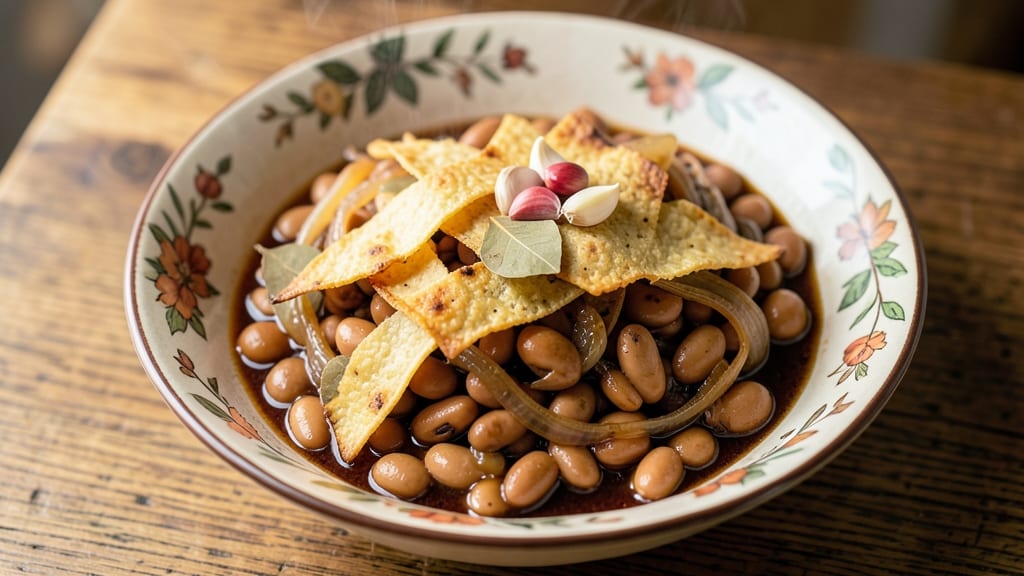
This traditional Mexican beans recipe brings the smoky, earthy flavors of home-cooked frijoles to your table with just a few simple ingredients and a patient simmer.
Growing up, I learned from Mrs. Henderson that the secret to great beans lies in slow cooking—letting the spices meld into tender, flavorful legumes that pair perfectly with tortillas or rice.
The combination of chipotle powder and cumin creates that signature depth you find in Mexican kitchens, while garlic and bay leaf add layers of warmth.
What sets this recipe apart is the traditional approach—no shortcuts, no substitutions that compromise authenticity. Soaking the beans overnight ensures they cook evenly, while simmering them low and slow develops that rich, smoky flavor that defines Mexican beans.
The result is a dish that’s hearty enough to stand alone but versatile enough to complement any meal, from tacos to enchiladas.
By the time you’re done, you’ll have a pot of beans that’s tender yet firm, infused with smoky chipotle and warm cumin notes that linger on the tongue.
The aroma alone will have everyone at the table asking for seconds—this is the kind of dish that feels like a hug in every bite. Serve it with warm tortillas, a sprinkle of fresh cilantro, and a side of rice for the full experience.
This recipe is vegetarian by tradition, though you can easily add a splash of lard or diced bacon for a deeper flavor if desired.
The beauty of Mexican beans lies in their adaptability—whether you’re serving them as a side or the star of the meal, they’ll deliver that comforting, homey taste you crave. Let’s get cooking!
Ingredients for traditional mexican beans
Pantry staples plus a few key spices—this is where the magic happens for smoky Mexican beans.
| Ingredient | Amount | Notes |
|---|---|---|
| Dried Pinto Beans 🌽 | 2 cups | Unsoaked, rinsed thoroughly |
| Chipotle Powder 🌶️ | 2 tbsp | Smoked, not adobo sauce |
| Ground Cumin 🌿 | 1 tbsp | Toasted for deeper flavor |
| Garlic Cloves 🧄 | 4 cloves | Peeled, roughly chopped |
| Yellow Onion 🧅 | 1 whole | Medium, chopped fine |
| Bay Leaves 🍃 | 2 whole | Fresh preferred, dried works |
| Olive Oil 🫒 | 2 tbsp | Extra-virgin for richness |
| Salt 🧂 | 1 ½ tsp | Kosher or sea salt |
| Ground Black Pepper 🌶️ | ½ tsp | Freshly ground preferred |
| Fresh Cilantro 🌿 | ¼ cup | Chopped, for garnish |
| Lime Juice 🍋 | 2 tbsp | Freshly squeezed |
| Vegetable Broth 💧 | 4 cups | Low-sodium preferred |
The beans are non-negotiable—pinto beans give you that classic texture, but black or kidney beans work too. Soaking overnight cuts cooking time by half, but if you're short on time, just add an extra 30 minutes to simmer. Mexican markets have the best chipotle powder—Penzeys or Goya are solid grocery store options. Look for the smoked version, not the adobo sauce. Cumin should be toasted in a dry pan for 30 seconds before adding—that extra step makes all the difference. I always grab a bunch of cilantro at Trader Joe's—it keeps for days in the fridge.
No chipotle powder? Two tablespoons of smoked paprika plus a pinch of cayenne gets you close. Fresh bay leaves are ideal, but dried works at half the amount. The onion can be swapped for one green onion if that's what's handy. Olive oil matters here—use something fruity and peppery like California extra-virgin. The vegetable broth should be low-sodium—Swanson or Pacific Foods are reliable. Lime juice is key for brightness, but if you're out, lemon juice works in a pinch. Just don't skip it entirely—this isn't just beans, it's a flavor bomb.
These taste even better the next day—make extra. Store in an airtight container in the fridge for 5-6 days, or freeze portions for up to 3 months. I double the recipe and freeze half—perfect for lazy weeknights. The cilantro wilts fast, so add that fresh after reheating. Serve with warm tortillas or over rice for the full experience.
Why You'll Love This Recipe
- One-Pot Magic: I swear by this—just toss everything in one pot, add water, and let it simmer. No fancy steps, no extra bowls, and honestly? The smell alone makes my kitchen feel like a Mexican abuela’s.
- Smoky Depth Bomb: That chipotle powder and cumin? It’s not just flavor—it’s a slow-building warmth that lingers. The garlic and onion caramelize into something rich, while the beans stay tender but never mushy. (Yes, even on a Tuesday night.)
- Meal Prep MVP: Make a big batch on Sunday, and you’ve got breakfasts, lunches, or taco toppings for days. I freeze half in portions—just reheat with a splash of water, and it’s like fresh again. (My lazy future self thanks me.)
- Pennies to Plenty: Dried pinto beans are the ultimate budget hack—cheap, shelf-stable, and packed with protein. A pound lasts forever, and the spices cost next to nothing. Between us, this is how I feed my family well without breaking the bank.
Step-by-step instructions for traditional Mexican beans
Here's how to make these authentically flavorful beans with deep smoky notes and tender texture.
Soak and Prepare the Beans
Place the 2 cups of dried pinto beans in a large bowl and cover them with plenty of cold water—at least 8 cups. Let them soak overnight or for at least 8 hours. This long soak ensures they cook evenly and become tender without getting mushy.
After soaking, drain the beans and rinse them thoroughly under cold water. I like to give them a quick shake in the colander to remove any skins that might have loosened during soaking. This step is crucial because it prevents the beans from becoming overly soft or breaking apart during cooking.
Sauté Aromatics in Olive Oil
Heat the 2 tablespoons of olive oil in a large, heavy pot over medium heat. Add the 1 whole yellow onion that's been chopped fine and cook for 5-6 minutes until it becomes translucent and begins to soften. You'll smell the sweetness developing—that's your cue it's ready for the next step.
Add the 4 peeled garlic cloves that you've roughly chopped and cook for another 30 seconds until fragrant. Be careful not to let the garlic burn—it should just release its aroma without turning brown. This aromatic base forms the flavor foundation for your beans, so take your time with this step.
Toast the Spices
Add the 2 tablespoons of chipotle powder and 1 tablespoon of ground cumin to the pot. Stir constantly for 1 minute until the spices are fragrant and the oil begins to bubble slightly. This toasting step deepens the smoky, earthy flavors that make these beans so special.
Add the 2 whole bay leaves and continue stirring for another 30 seconds. You'll notice the spices release their oils and create a rich, aromatic paste at the bottom of the pot. This is where the magic happens—these toasted spices will infuse the beans with their complex flavors as they cook.
Simmer the Beans
Add the drained beans, 1.5 teaspoons of salt, and 0.5 teaspoon of ground black pepper to the pot. Pour in the 4 cups of vegetable broth, making sure all the beans are submerged. Bring the mixture to a boil, then immediately reduce the heat to low and let it simmer gently.
Cover the pot and maintain a gentle simmer for 1.5 to 2 hours. You'll want to check occasionally to ensure there's enough liquid—add more broth if needed. The beans are done when they're tender but still hold their shape. You'll know they're ready when a bean easily crushes between your fingers but doesn't fall apart completely.
Finish and Serve
Once the beans are tender, remove the 2 bay leaves and stir in the 2 tablespoons of freshly squeezed lime juice. This bright citrus note cuts through the richness of the beans and spices, balancing the flavors beautifully. Add the 0.25 cup of chopped fresh cilantro and stir gently to incorporate.
Let the beans sit off the heat for 5 minutes to allow the flavors to meld together. Taste and adjust the seasoning if needed—you might want to add more salt or lime juice to suit your preference. Serve warm with rice, tortillas, or as a side dish for your favorite Mexican-inspired meal. These beans keep well in the refrigerator for up to 5 days, making them perfect for meal prep.
Pro Tips For Making Traditional Mexican Beans
- SOAK BEANS OVERNIGHT: I learned this the hard way—rushing the soak with cold water leaves them tough and gummy. Use 4 cups of water per cup of beans, add a pinch of baking soda (trust me), and let them sit 12+ hours. The longer they soak, the creamier they’ll get when cooked.
- TOAST THE SPICES: Skip the pre-ground cumin and chipotle—whole spices toasted in a dry pan for 30 seconds until fragrant make a real difference. Grind them fresh right after, and you’ll taste the depth you’ve been missing. (Yes, even if you’re impatient like me.)
- LOW AND SLOW WINS: High heat at the start is fine, but once the beans hit a simmer, drop the heat to medium-low. I used to crank it up, and the beans would split or turn mushy. Keep it gentle—this isn’t a race, and patience pays off with tender, intact beans.
- SAUTE ONIONS LONG ENOUGH: Don’t rush the onion—cook it until it’s soft and slightly caramelized, about 8-10 minutes. This builds flavor that carries through the whole dish. (Your future self will thank you when the beans taste like more than just beans.)
Troubleshooting this recipe
Mushy Texture Fix
If your beans turn out mushy, you likely overcooked them or didn’t soak properly. First, always soak beans overnight in plenty of water—at least 8 cups for 2 cups of beans.
If you’re short on time, soak for at least 8 hours with 1 tablespoon of baking soda per gallon of water to help soften them faster. During cooking, maintain a gentle simmer (small bubbles) rather than a rolling boil, which breaks down the beans.
I’ve found that using a heavy pot with a tight-fitting lid helps trap steam and cook beans evenly. 🌱
Underseasoned Beans
Beans that taste bland usually need more salt or spices. Start by adding an extra ½ teaspoon of salt during cooking, then taste before serving. If the chipotle flavor feels weak, increase it to 2.5 tablespoons next time.
For depth, add 1 teaspoon of smoked paprika or a pinch of ground coriander. Remember, spices build flavor as they simmer—don’t rush this step. I often double-check seasoning by tasting a spoonful after simmering for 1 hour. 💡
Splitting Beans
Beans splitting during cooking usually means they were overcooked or too old. Always use fresh dried beans (check the package date—older beans absorb water unevenly). If you’re using a pressure cooker, reduce cooking time to 30-40 minutes on high pressure.
For stovetop, remove beans from the pot 5 minutes before they’re fully tender—they’ll finish cooking off the heat. I’ve had the best luck with pinto or black beans because they hold up better than kidney beans. 🌶️
Gritty or Chalky Taste
A gritty texture often means hard water or unrinsed beans. Always rinse dried beans thoroughly under cold water before cooking to remove debris. For hard water areas, soak beans in filtered or bottled water if possible.
If the flavor is still off, add 1 teaspoon of white vinegar to the cooking water to help break down minerals. I’ve also found that using low-sodium vegetable broth instead of water reduces chalkiness. 💧
Burnt Onions or Garlic
Burnt aromatics ruin the dish’s foundation. To prevent this, keep heat at medium-low when cooking onions and garlic. Remove the pot from heat as soon as you smell garlic’s aroma—it should take 30 seconds max.
If you’re using a non-stick pot, reduce heat further since these cook faster. I swear by a heavy stainless steel pot for even heat distribution. 🧄
Liquid Evaporation
If your beans dry out mid-cooking, you likely didn’t account for evaporation. Always add 1 extra cup of liquid to your recipe—beans absorb more than you think. Keep the pot partially covered during simmering to slow evaporation, but uncover occasionally to check for doneness.
For long simmers, I set a timer to add ¼ cup of broth every 30 minutes. If using a pressure cooker, follow the manufacturer’s guidelines for liquid ratios. ⏱️
Nutrition facts
Frequently asked questions
Can I use canned beans instead of dried for this recipe?
For a quick version, use 3 (15-ounce) cans of drained pinto beans (or black beans) and reduce the broth to 2 cups. Simmer for 20-30 minutes instead of hours to let the spices meld. Just skip the soaking step entirely. The texture will be slightly softer but still delicious.
What's the best way to store leftover Mexican beans?
Transfer to an airtight container and refrigerate for up to 5-6 days. For longer storage, freeze portions in single-serving containers for up to 3 months. The flavors actually improve overnight! When reheating, add 1-2 tablespoons of water or broth to prevent drying out.
How do I make these beans vegetarian without sacrificing flavor?
This recipe is already vegetarian by tradition! For extra richness, stir in 1 tablespoon of olive oil or 2 tablespoons of vegetable broth before serving. Some cooks add ½ teaspoon of smoked paprika or a pinch of ground coriander for depth. The key is proper soaking and simmering—those steps create the authentic taste.
Can I substitute chipotle powder with something else?
Yes! For a milder version, use 1 tablespoon smoked paprika plus ½ teaspoon cayenne. For deeper heat, try 1 chipotle pepper in adobo sauce (minced) or 1 teaspoon of ancho chili powder. The spices need time to infuse—simmer for the full 1.5-2 hours for best results.
What's the secret to perfectly tender beans every time?
Three things: proper soaking (overnight in plenty of water), gentle simmering (small bubbles, not boiling), and using a heavy pot (like Dutch oven). Check doneness by crushing a bean between your fingers—it should be soft but not mushy. Never rush the cooking time!