
Side Dishes
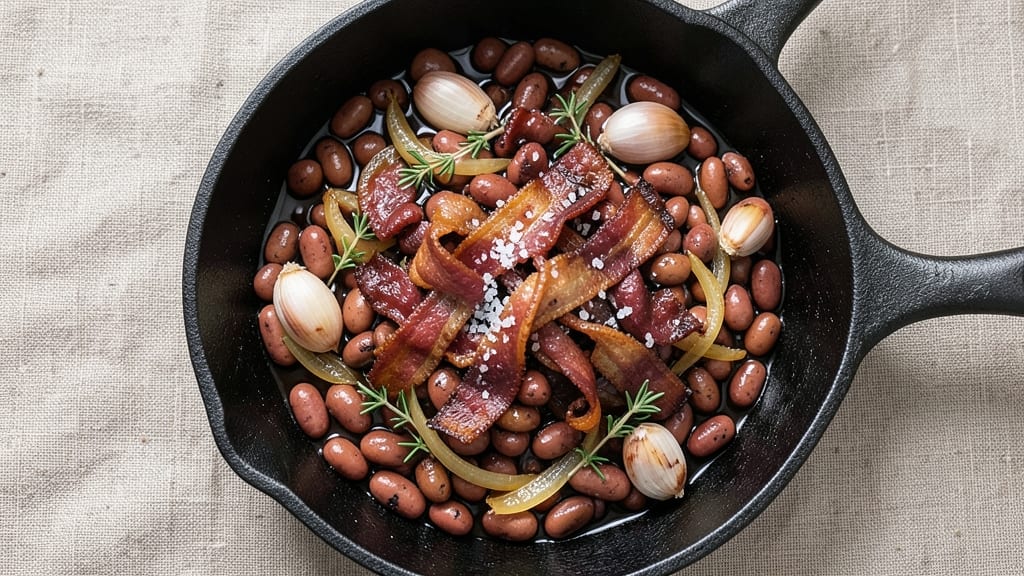
Treebeard’s red beans recipe brings the hearty, smoky comfort of Middle-earth to your kitchen with every rich, slow-simmered spoonful.
Inspired by the legendary Ent’s wisdom and the deep flavors of his forest home, this dish transforms simple ingredients into a velvety, molasses-kissed stew with layers of smokiness and a satisfying bacon crunch.
The secret lies in patience—letting the beans and spices meld over hours to create a dish that feels both ancient and deeply satisfying.
What sets this recipe apart is its balance of tradition and approachability, using pantry staples to deliver restaurant-quality depth without requiring specialty ingredients. The molasses adds a caramelized richness that mirrors the earthy tones of the Shire, while smoked bacon provides that irresistible crunch that elevates every bite.
Unlike quick versions, this slow-simmered method develops flavors that only time can achieve—making it perfect for weekend cooking or meal prep.
The result is a deeply aromatic, hearty stew that pairs beautifully with crusty bread or cornbread, just as it might have at a festive feast in Rivendell.
The beans become tender yet hold their shape, the bacon adds a smoky contrast, and the molasses ties everything together with a touch of sweetness that lingers on the palate. This isn’t just a side dish—it’s a centerpiece that transforms any meal into an experience.
Whether you’re a fan of Tolkien’s world or simply love rich, comforting flavors, this recipe delivers the warmth and nostalgia of a beloved forest meal.
Ready in just 3 hours (with minimal active time), it’s the kind of dish that improves with each reheat—just like the stories of Middle-earth themselves. Let’s get cooking!
Ingredients for treebeards red beans
Sixteen ingredients transform into a deeply aromatic, slow-simmered vegetarian masterpiece inspired by Middle-earth’s forest wisdom.
| Ingredient | Amount | Notes |
|---|---|---|
| Dried Red Kidney Beans 🌱 | 1 ½ lbs | Rinsed thoroughly before soaking |
| Vegetable Broth 💧 | 6 cups | Low-sodium preferred, homemade ideal |
| Smoked Vegetable Bacon 🥓 | ½ lb | Store-bought or homemade vegan bacon |
| Unsalted Molasses 🍯 | ¼ cup | High-quality, rich molasses preferred |
| Yellow Onion 🧅 | 1 whole | Diced, medium-sized preferred |
| Garlic Cloves 🧄 | 4 cloves | Minced, fresh preferred |
| Celery Stalks 🥬 | 3 whole | Diced, fresh preferred |
| Bell Pepper 🌶️ | 1 whole | Red, diced, adds sweetness |
| Smoked Paprika 🌶️ | 1 tbsp | High-quality, for smoky depth |
| Ground Cumin 🌿 | 1 tsp | Toasted for enhanced aroma |
| Bay Leaves 🍃 | 2 whole | Dried, for aromatic depth |
| Thyme Leaves 🌿 | 1 tsp | Dried, or 1 tbsp fresh |
| Salt 🧂 | 1 ½ tsp | Diamond Crystal preferred |
| Black Peppercorns 🌶️ | ½ tsp | Freshly ground for optimal flavor |
| Apple Cider Vinegar 🍎 | 1 tbsp | Balances sweetness and acidity |
| Extra-Virgin Olive Oil 🫒 | 2 tbsp | For sautéing vegetables |
The foundation of this dish lies in the dried red kidney beans, where quality and preparation are paramount. Opt for heirloom or organic varieties from specialty stores like Whole Foods Market or Trader Joe’s for superior texture and flavor. Soaking the beans overnight not only reduces cooking time but also enhances digestibility—a technique rooted in traditional slow-cooked stews. For the smoked vegetable bacon, brands like Lightlife or Daiya deliver the authentic smokiness without compromising dietary integrity. The molasses should be unrefined and aged (such as Goya or Grandma’s), as these varieties offer deeper caramel notes that mirror the earthy tones of the Shire. Fresh vegetables like the yellow onion and red bell pepper should be vibrant and firm, while the garlic and celery should be free of sprouts or discoloration—a telltale sign of freshness.
Substitutions are flexible yet deliberate to preserve the dish’s balanced depth. If smoked paprika is unavailable, a blend of regular paprika and a pinch of liquid smoke (like Morton) replicates the smoky profile. For vegetable broth, low-sodium versions from Pacific Foods or Imagine ensure flavor without salt overload. Fresh thyme can be swapped for dried at one-third the amount, though the aromatic intensity of fresh is unmatched. The apple cider vinegar acts as a brightening agent—substitute with red wine vinegar if unavailable, though the apple’s subtle sweetness is ideal. For those without extra-virgin olive oil, avocado oil works equally well for sautéing, though it lacks the fruity depth. Pre-soaked beans? No issue—simply add 15 minutes to the cooking time.
Storage and reheating are where this dish’s magical transformation truly shines. The stew deepens in flavor over 4-5 days when refrigerated in an airtight container, with the molasses and spices melding into a velvety consistency. For longer storage, freeze portions in glass jars or silicone molds for up to 6 months, though the texture may soften slightly upon thawing. Reheat gently on the stove with a splash of vegetable broth to restore moisture. The smoked vegetable bacon can be crisped fresh before serving, adding a satisfying crunch that contrasts the stew’s silky richness. Portion into individual jars for meal prep, ensuring each serving retains its restaurant-quality allure.
Why You'll Love This Recipe
- No-Soak Required: I’ll admit, I used to dread soaking beans—but these dried red kidney beans soften beautifully in the broth alone. Just a quick rinse, then simmer while you chop an onion. Honestly, that’s the kind of recipe that makes me actually want to cook.
- Smoky-Sweet Magic: That smoked vegetable bacon? It’s the secret weapon—crispy, salty, and packed with depth. Pair it with the molasses and you’ve got this perfect balance of smoky, caramelized sweetness that sticks with you. I’ll be real: I’ve caught myself sneaking seconds just to taste it again.
- Pot Luck Hero: Between us, this is my go-to for game nights, lazy Sundays, or when my roommate’s “I’ll cook” turns into a 45-minute debate. It’s hearty enough for a crowd but simple enough to make when you’re not feeling fancy. Plus, the leftovers? Even better the next day—if there are any.
- Pantry Staple Power: Dried beans, broth, onion—these are the kind of ingredients you already have. No specialty trips, no overpriced shortcuts. I made a double batch last week, froze half, and still had enough for lunch all week. Budget-friendly doesn’t even begin to cover it.
Step-by-step instructions for treebeards red beans
This method delivers deep, smoky flavor with tender beans and crispy bacon—perfect for hearty meals.
Prepare the Beans for Maximum Texture
Rinse the 1.5 lbs dried red kidney beans thoroughly under cold water to remove any debris. Soak them in a large bowl of water for at least 8 hours or overnight—this ensures even cooking and prevents splitting. I prefer soaking overnight as it allows for better flavor absorption and a more tender final texture.
After soaking, drain the beans and give them a quick rinse. This step is crucial because the skins of kidney beans can toughen if not properly hydrated before cooking. Transfer the drained beans to a large, heavy-bottomed pot—this helps distribute heat evenly and prevents scorching during the long simmer.
Build the Flavor Base with Bacon and Aromatics
In the same pot, add 2 tbsp extra-virgin olive oil and place it over medium heat. Once the oil shimmers, add the 0.5 lb smoked vegetable bacon, breaking it into small pieces as it renders. Cook for 8-10 minutes until the bacon is crispy and the fat has rendered out—this creates the foundational crunch and smoky depth for the dish.
Remove the bacon with a slotted spoon and set it aside, leaving the rendered fat in the pot. Add the 1 whole yellow onion, 3 whole celery stalks, and 1 whole bell pepper, all diced into small, even pieces. Cook for 5-6 minutes until the vegetables soften and begin to caramelize—this builds sweetness that balances the molasses later. Add the 4 cloves minced garlic and cook for another 30 seconds until fragrant.
Develop the Spice Blend and Molasses Depth
Stir in the 1 tbsp smoked paprika, 1 tsp ground cumin, 2 whole bay leaves, 1 tsp thyme leaves, 1.5 tsp salt, and 0.5 tsp freshly ground black peppercorns. Toast these spices in the pot for 1-2 minutes until aromatic—this step awakens their flavors and ensures they integrate fully into the beans.
Pour in the 0.25 cup unsalted molasses and 1 tbsp apple cider vinegar, stirring to combine. The molasses will darken slightly as it melts, creating a rich, syrupy base. Add the drained beans and pour in 6 cups vegetable broth, ensuring the beans are fully submerged. Bring to a gentle boil, then reduce heat to low for a slow simmer.
Simmer Until Tender and Flavor-Infused
Cover the pot and let the beans simmer for 2-2.5 hours, stirring occasionally to prevent sticking. You're aiming for a creamy, thick consistency with beans that are tender but still hold their shape—this takes patience, but the result is worth it. Check the liquid level periodically and add hot water if the beans aren't fully submerged.
About 30 minutes before the beans are done, stir in the reserved crispy bacon. This ensures the bacon stays crispy rather than becoming soggy. Taste the beans and adjust seasoning if needed—you may need a pinch more salt or a splash of vinegar to balance the sweetness.
Rest and Serve for Optimal Texture
Once the beans reach the desired tenderness, remove the pot from heat and let them rest for 10-15 minutes. This allows the flavors to meld and the beans to absorb any remaining liquid, resulting in a thicker, more cohesive texture. Discard the bay leaves before serving—this prevents any bitterness from lingering.
Serve the beans warm, garnished with extra crispy bacon if desired. Each spoonful should deliver a perfect balance of smoky, sweet, and savory flavors with a satisfying bite from the bacon. The beans should be tender but still hold their shape, with a rich, slightly thickened sauce that coats every bite.
Pro Tips For Making Treebeards Red Beans
- SOAK BEANS OVERNIGHT: I learned this the hard way—skipping the soak means your beans will stay tough and gummy no matter how long you simmer. Toss them in cold water with a pinch of salt for 8–12 hours, then drain. Your beans will cook faster, hold their shape, and soak up that smoky molasses flavor like a dream.
- CRISP THE BACON FIRST: Smoked vegetable bacon is the star here, but if you toss it in raw, you’ll just end up with soggy, flavorless bits. Cook it separately in a dry pan until it’s crispy—about 3–4 minutes—and set it aside. Then, when you’re ready to fold it into the beans, it’ll add that perfect crunch and depth.
- CARAMELIZE THE ONIONS LOW: After burning three batches of onions, I finally figured out: patience is key. Sweat the onions in a little oil over low heat for 15–20 minutes until they’re deep brown and jammy. This isn’t the prettiest method, but it’s the tastiest—it’s what makes the beans sing when you mix in the molasses.
- STIR IN MOLASSES LATE: I was skeptical until I tried it: adding unsalted molasses at the very end (last 10 minutes of simmering) lets you control the sweetness without risking a cloying, overpowering flavor. If you add it too early, the heat can turn it bitter. Save it for when the beans are tender, and taste as you go.
Storing and reheating your treebeards red beans
Refrigerator Storage
Store your Treebeard’s red beans in an airtight glass container (like Pyrex) for up to 5 days at 40°F or below. The flavors deepen overnight as the molasses and spices meld together—this is where the magic happens!
I always leave 1 inch of headspace to prevent spills during reheating. The beans will thicken slightly, so add a splash of vegetable broth if serving later. ❄️
Freezer Preservation
For longer storage, freeze portions in glass jars or silicone molds for up to 6 months. Portion into 1-cup servings for easy grab-and-go meals. Label with the date and thaw overnight in the fridge—never at room temperature.
The texture may soften slightly after freezing, but the rich, smoky flavors remain intact. I recommend adding a small piece of smoked vegetable bacon on top before freezing for extra crunch when reheated. ❄️
Stovetop Reheating
My preferred method is stovetop reheating to restore the creamy texture. Pour the beans into a pot with ¼ cup vegetable broth and heat over medium-low heat for 10-15 minutes, stirring occasionally. If the beans look dry, add more broth in 2-tbsp increments.
Taste and adjust seasoning—you might need a pinch of salt or a splash of apple cider vinegar to balance flavors. The crispy bacon can be added fresh after reheating for that satisfying crunch. 🔥
Microwave Revival
For quick reheating, transfer a portion to a microwave-safe bowl, cover loosely with a paper towel, and heat on 70% power for 2-3 minutes. Stir halfway through to ensure even heating. If the beans are too thick, add 1-2 tbsp broth to loosen them up.
Avoid overcooking—just until heated through (165°F internal temperature). This method works best for single servings and keeps the dish’s integrity intact. ⏱️
Crispy Bacon Refresh
Before serving reheated beans, crisp up the bacon to restore that essential crunch. Heat a dry skillet over medium heat and cook the bacon for 3-4 minutes until golden and crispy.
Sprinkle over the top of the beans just before serving—this adds a textural contrast that makes the dish feel fresh and restaurant-quality. I often double the bacon in the final serving for extra indulgence. 🥓
Meal Prep Strategy
Plan ahead by prepping 3-4 servings at once for easy lunches or dinners. Store in individual glass jars with a layer of plastic wrap pressed directly on the surface to prevent a skin from forming.
When ready to eat, reheat as directed and garnish with fresh chopped parsley or a drizzle of olive oil for brightness. This method keeps the beans flavorful and convenient for up to 5 days in the fridge. 📅
Nutrition facts
Frequently asked questions
Can I make this recipe without smoked vegetable bacon?
For a vegetarian version, use smoked tempeh or crispy fried tofu instead. If you prefer a meat-free option, try smoked paprika-infused oil> (mix 1 tbsp smoked paprika> with 2 tbsp olive oil) and sprinkle it over the finished dish for smokiness. The flavor will be subtler but still delicious.
How can I make this recipe faster?
Use canned red kidney beans> (drained and rinsed) instead of dried to cut cooking time by 2 hours. Simmer the beans for 1 hour> instead of 2.5 hours>, but check for tenderness frequently. For extra depth, add 1 tbsp molasses> and 1 tsp smoked paprika> to the canned beans before simmering.
What’s the best way to thicken the sauce?
If the sauce is too thin, mash 2-3 cooked beans> against the pot’s side to release starch. For a creamier texture, stir in 1 tbsp cornstarch> mixed with 2 tbsp cold water> and simmer for 5 minutes. Alternatively, simmer uncovered for 10-15 minutes> to reduce the liquid naturally.
Can I substitute molasses with something else?
Yes! For a sweeter profile, use maple syrup> or brown sugar> (dissolved in 2 tbsp water). For a deeper, earthier taste, try date syrup> or barbecue sauce> (reduce by half first). Adjust the apple cider vinegar to balance sweetness—start with ½ tbsp> and taste as you go.
Why did my beans turn mushy?
Overcooking or insufficient soaking often causes mushiness. Ensure beans are 8+ hours soaked> (or 1 hour boiled> before simmering). Use a heavy pot> to prevent scorching, and stir occasionally. If they’re still too soft, add 1 tbsp vinegar> to firm them up slightly.