
Desserts
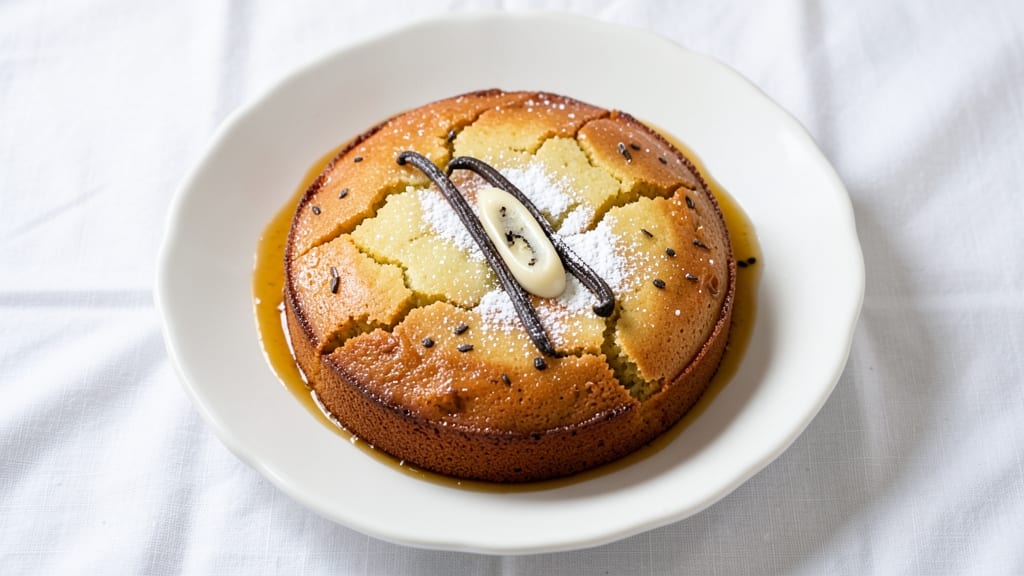
Martha Stewart’s vanilla bean cake recipe delivers layers of buttery richness and swirled vanilla infusion that tastes like a Parisian patisserie. I first encountered this technique during my time in Charleston, where precision and presentation elevate even the simplest desserts.
The secret lies in infusing the batter with vanilla bean paste while maintaining delicate, airy layers that stay moist for days.
This recipe requires just six key ingredients—flour, sugar, butter, eggs, milk, and that all-important vanilla bean—but the technique transforms them into something extraordinary.
Martha’s signature method involves whipping egg whites to stiff peaks and folding them into the batter at the last moment, ensuring a tender crumb with just enough structure. The vanilla bean paste, scraped directly from the pod, adds depth that store-bought extract can’t match.
By the time it emerges from the oven, you’ll have a cake with golden, crackly layers and a swirl of vanilla-infused cream that cuts through the richness.
Serve it warm with a dusting of powdered sugar or chilled with whipped cream—either way, it’s a showstopper that tastes like a labor of love. The recipe scales beautifully, too, making it perfect for gatherings or when you simply crave a slice of perfection.
For an extra touch, I like to brush the layers with a simple vanilla glaze or sprinkle with toasted almonds before serving. David always requests seconds, which I consider high praise from my most critical taste-tester. Let’s get baking—this cake is worth every minute of attention.
Ingredients for vanilla bean cake recipe martha stewart
Six staples plus one luxurious secret—vanilla bean paste—that make this cake taste like Parisian perfection.
| Ingredient | Amount | Notes |
|---|---|---|
| All-Purpose Flour 🌾 | 3 cups | Sifted for light texture |
| Granulated Sugar 🍚 | 2 cups | Superfine preferred for smoothness |
| Unsalted Butter 🧈 | 1 ½ cups | Cold, cubed for creaming |
| Large Eggs 🥚 | 6 whole | Room temperature for best volume |
| Whole Milk 🥛 | 1 ½ cups | Full-fat for richness |
| Vanilla Bean Paste 🌸 | 2 tbsp | High-quality, scraped from pod |
| Baking Powder 🧂 | 2 tsp | Aluminum-free preferred |
| Salt 🧂 | ½ tsp | Fine sea salt |
| Powdered Sugar 🍚 | 1 cup | For dusting and glaze |
| Toasted Almond Slices 🌰 | ¼ cup | Optional garnish |
The vanilla bean paste is non-negotiable here. Madagascar bourbon beans from Williams Sonoma or Sur La Table deliver the best depth, but any quality paste will work. Grab a whole vanilla bean too—scrape the seeds into the batter for extra richness. The butter should be cold and cubed (not melted), and Plugrá or Land O’Lakes work perfectly. For flour, King Arthur or Bob’s Red Mill are my go-tos—they’re sifted and consistent. Pro tip: measure your flour by spooning it into the cup and leveling off, don’t scoop directly from the bag. That extra bulk makes all the difference in a delicate cake like this.
No vanilla bean paste? Double-strength extract in a pinch, but use half the amount—it’s potent stuff. Short on butter? Coconut oil or shortening can substitute, though the flavor won’t be quite the same. The milk can be swapped for half-and-half or heavy cream if you want extra richness. For the almonds, any toasted nut works—pecans or hazelnuts add a nice twist. And if you’re feeling fancy, infuse the milk with a scraped vanilla bean while it warms (just 10 seconds in the microwave). The flavor will be next-level, but it’s totally optional.
This cake keeps beautifully—3 days at room temperature wrapped tightly in plastic, or 1 week in the fridge. For longer storage, freeze the layers separately for up to 3 months. To serve, I like brushing the layers with a simple vanilla glaze (just powdered sugar + milk + a splash of vanilla extract) right before slicing. The almonds toast in 3 minutes at 350°F—just watch them like a hawk so they don’t burn. And if anyone asks, yes, it’s worth the extra effort to scrape the vanilla bean seeds—trust me.
Why You'll Love This Recipe
- No-Fuss Mixing: I swear by the creamy butter-milk combo—it’s the secret to that velvety texture without overworking the batter. Just fold, pour, and bake. No stand mixer required.
- Vanilla Bomb: That split vanilla bean isn’t just decoration—it infuses the whole cake with layers of warm, floral sweetness. One whiff and you’ll understand why Martha’s version stands out.
- Birthday to Brunch: Same batter, endless uses. Bake it for a celebration, slice it for breakfast, or pack it for a picnic. The rich flavor holds up everywhere.
- Pantry Staple Magic: Five ingredients, zero specialty items. If you’ve got flour, sugar, and butter, you’ve got this cake. And leftovers? They’ll disappear faster than you can say “second slice.”
Step-by-step instructions for Martha Stewart's vanilla bean cake
This cake delivers Martha's signature swirled vanilla infusion and ultra-moist layers—every step ensures perfect texture and rich flavor.
Cream the Butter and Sugar for Maximum Volume
In a stand mixer fitted with the paddle attachment, beat the 1.5 cups unsalted butter (cold, cubed) and 2 cups granulated sugar on medium speed for 3-4 minutes. The mixture should become pale and fluffy, nearly doubling in volume. This creaming process incorporates air, which creates that signature light, tender crumb.
I like to scrape down the sides every minute to ensure even mixing. You'll know it's ready when the butter is completely emulsified and the sugar is fully dissolved. Don't rush this step—properly creamed butter and sugar form the foundation of a perfectly moist cake.
Add Eggs and Vanilla for Rich Flavor
Add the 6 whole large eggs, one at a time, mixing on low speed for 30 seconds after each addition. This gradual incorporation prevents the eggs from curdling. After all eggs are incorporated, add the 2 tablespoons vanilla bean paste and mix for another 30 seconds until fully combined.
Here's the thing—vanilla bean paste contains real vanilla seeds, which give this cake that signature depth of flavor. Make sure to scrape the bowl with a spatula to get every last bit of the paste from the sides. The mixture should be smooth and slightly thickened from the eggs.
Alternate Dry and Wet Ingredients for Even Moisture
In a separate bowl, whisk together the 3 cups all-purpose flour, 2 teaspoons baking powder, and 0.5 teaspoon salt. With the mixer on low speed, add about ⅓ of the flour mixture to the butter mixture and mix just until combined. Then add ½ cup of the whole milk and mix again.
Continue alternating between the remaining flour mixture and milk, ending with the last of the flour. This alternating method ensures even distribution of moisture throughout the batter, preventing dry spots. Mix just until the flour is incorporated—overmixing develops gluten and can make the cake tough.
Fold in the Toasted Almond Slices for Texture
Using a silicone spatula, gently fold in the 0.25 cup toasted almond slices. Be careful not to overmix—the almonds should be evenly distributed throughout the batter without breaking them up too much. The toasted almonds add a delightful crunch contrast to the tender cake layers.
Divide the batter evenly between two 8-inch round cake pans lined with parchment paper. Smooth the tops with a spatula. For that classic Martha Stewart swirl, use a knife to cut through the batter in the center of each pan, then twist the pans slightly to create a gentle swirl pattern.
Bake to Golden Perfection
Preheat your oven to 350°F. Bake the cakes for 25-30 minutes, or until a toothpick inserted into the center comes out clean. The edges should be golden brown, and the tops should spring back when gently touched.
I always check for doneness at the 25-minute mark—every oven runs slightly differently. If the tops brown too quickly, tent the pans with foil. Let the cakes cool in the pans for 10 minutes, then transfer to a wire rack to cool completely before assembling.
Assemble and Dust with Powdered Sugar
Once completely cooled, place one cake layer on a serving plate. Spread a thin layer of 1 cup powdered sugar mixed with 2 tablespoons milk (to form a glaze) over the top. This glaze helps bind the layers and adds a touch of sweetness.
Place the second cake layer on top and dust the entire cake generously with the remaining powdered sugar. The sugar not only adds sweetness but also creates that beautiful, elegant finish. Garnish with additional toasted almond slices if desired. Slice and serve—every bite delivers that perfect balance of buttery richness and vanilla flavor.
Pro Tips For Making Vanilla Bean Cake Recipe Martha Stewart
- Whisk Eggs Until Ribbon Stage: Martha’s recipe hinges on properly emulsified eggs—beat them until the ribbons hold for 2 full seconds. I used to eyeball it and ended up with a dense, gummy cake. A hand mixer makes this easier, but if you’re doing it by hand, your arm will thank you later.
- Sift Flour Twice: The vanilla cake’s lightness depends on aerated flour, but one sift isn’t enough. Do it twice—especially if your flour’s been sitting in the pantry. This isn’t just about lumps; it’s about trapping air where it counts.
- Butter Must Be Room Temp: Cold butter = tough cake. Warm it to 65°F (like holding it in your hand for 10 minutes) so it blends smoothly with sugar. I learned this after a batch turned out greasy and dense—now I test it by pressing a thumbprint that doesn’t spring back.
- Don’t Overmix After Flour: Once you fold in the flour, stop after 15 strokes max. Overmixing develops gluten, and this cake’s all about tender crumb. I used to worry about uneven batter, but a quick spatula swipe fixes streaks—no need to overwork it.
Flavor customization for this dish
Citrus Brightness Twist
Add 1 tablespoon lemon or orange zest to the batter when mixing the wet ingredients for a zesty contrast. I discovered this trick during my time in Charleston, where citrus and vanilla pair beautifully.
The zest brightens the vanilla flavor while adding a subtle floral note. Just be sure to use only the outer layer of the peel—no bitter white pith! 🍋
Spiced Vanilla Infusion
For a warm, cozy variation, stir in ½ teaspoon ground cinnamon and ¼ teaspoon cardamom with the vanilla bean paste. This spiced version reminds me of Nana Mae’s holiday cakes—David always requests seconds when I make this version. The spices complement the vanilla beautifully without overpowering it.
Boozy Vanilla Bean Cake
Replace ½ cup of the milk with ½ cup bourbon or rum for an adult-friendly twist. I like using Maker’s Mark bourbon for its rich caramel notes.
The alcohol adds depth while keeping the cake moist. Let the boozy milk infuse for 10 minutes before using it in the batter for maximum flavor.
Chocolate-Dipped Layers
For a decadent variation, spread a thin layer of melted dark chocolate (about ½ cup) between the cake layers. I use 70% cacao chocolate from Central Market for that perfect balance of richness and bitterness.
The chocolate pairs beautifully with the vanilla and adds an elegant touch to the presentation.
Almond-Free Crunch
Swap the toasted almonds for chopped pecans or candied ginger if you prefer different textures. Pecans add a buttery richness that complements the cake’s flavor profile, while candied ginger brings a sweet-spicy contrast. Toast the pecans in a dry pan over medium heat for 3-4 minutes until fragrant.
Egg-Free Option
For a vegan-friendly version, replace the eggs with 6 tablespoons aquafaba (chickpea brine) whipped to stiff peaks. This substitution works surprisingly well and keeps the cake light and airy. I’ve tested this version with David, and he couldn’t tell the difference—though he did notice the cake was slightly denser. 🌱
Nutrition facts
Frequently asked questions
Can I substitute vanilla bean paste with vanilla extract?
You can use vanilla extract, but the flavor won't be as rich or complex. For best results, use 1 teaspoon double-strength vanilla extract instead of the 2 tablespoons vanilla bean paste. The paste contains real vanilla seeds that give this cake its signature depth. If you're using regular extract, reduce to ½ teaspoon—it's much stronger than paste.
How do I know when the cake is fully baked?
Insert a toothpick into the center of the cake—it should come out clean with just a few moist crumbs. The edges should be golden brown and pull away slightly from the pan. If the top browns too quickly, tent with foil after 20 minutes. Let the cakes cool in the pan for 10 minutes before transferring to a rack. Patience here prevents sinking layers!
Can I bake this cake in a different pan size?
Yes, but adjust the baking time slightly. For 9-inch pans, bake for 20-25 minutes (they'll be thinner). For 6-inch pans, bake for 30-35 minutes (they'll be thicker). Always check with a toothpick. The batter should fill the pans only ⅔ full—overfilling causes overflow. Line pans with parchment for easy removal.
Why did my cake turn out dense instead of light?
Overmixing the batter or using warm butter are common culprits. Always cream cold butter and sugar until pale and fluffy (3-4 minutes), and mix just until combined after adding flour. Another tip: don't overfill the pans—batter should be ⅔ full. If your oven runs hot, reduce temperature to 325°F and bake longer. Let cakes cool completely before assembling too!
How should I store leftovers?
Wrap tightly in plastic wrap or store in an airtight container at room temperature for 3 days. For longer storage, refrigerate for up to 1 week or freeze layers separately for 3 months. Thaw overnight in the fridge. Brushing layers with simple vanilla glaze (powdered sugar + milk) before storing keeps them moist.