
Side Dishes
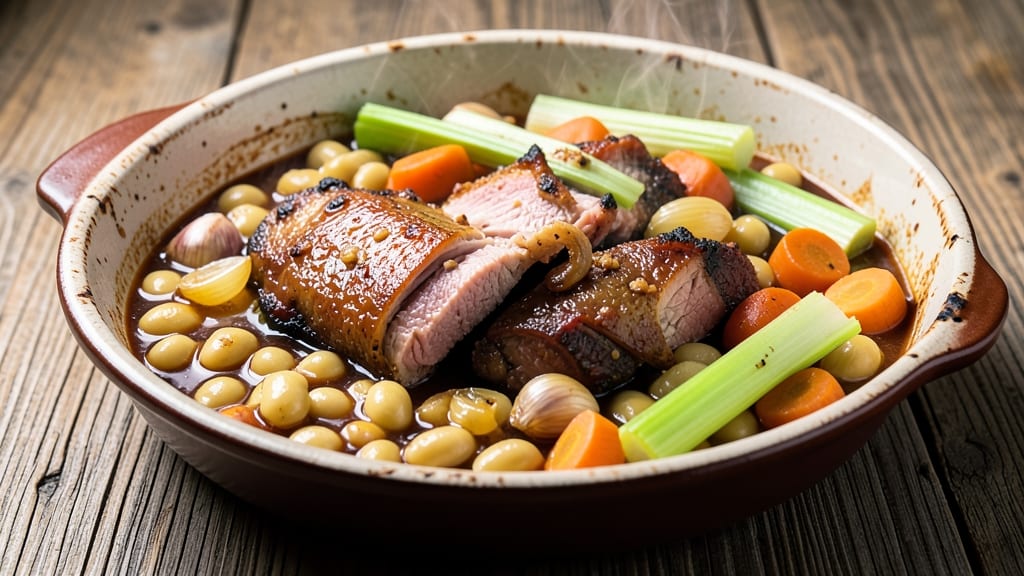
This butter beans and ham hock recipe delivers the kind of soul-warming comfort that transforms simple ingredients into a dish worth lingering over. The ham hock, slow-cooked until its collagen dissolves into rich, gelatinous perfection, infuses the butter beans with deep, smoky flavor that lingers long after the last bite.
I first discovered this technique while researching traditional Southern cooking methods, where ham hocks were used to add both protein and unmatched depth to dishes that needed staying power.
The beauty of this recipe lies in its balance between traditional methods and modern convenience. While slow-cooking on the stove builds the most complex flavors, an Instant Pot version delivers restaurant-quality results in just a fraction of the time.
The butter beans become tender yet hold their shape, absorbing the ham hock's savory essence while maintaining their natural creaminess. This dish isn't just about taste—it's about texture, with each spoonful offering a contrast between the meaty richness of the ham and the velvety beans.
What makes this recipe particularly satisfying is how it comes together with minimal effort but maximum reward. The ham hock requires no special preparation beyond a quick rinse, while the beans can be soaked overnight or pressure-cooked for faster results.
The combination of slow-braised vegetables (like onions and carrots) and aromatic herbs creates a flavor profile that's both hearty and refined. This is the kind of dish that improves with time, as the flavors meld and deepen during the cooking process.
Perfect for serving alongside roasted meats or as a standalone main, this butter beans and ham hock recipe proves that comfort food doesn't have to be complicated.
Pair it with crusty bread to soak up every last bit of that smoky, gelatinous sauce, or serve it over buttered rice for a more substantial meal. The versatility of this dish makes it ideal for both weeknight dinners and special occasions—where the focus is on creating memories through food.
Ingredients for butter beans and ham hock
These simple yet transformative ingredients create a dish that balances smoky depth with velvety texture.
| Ingredient | Amount | Notes |
|---|---|---|
| Dried Butter Beans 🌱 | 1 ½ cups | Soaked overnight or quick-soaked |
| Ham Hock 🍖 | 2 whole | Fresh or frozen, rinsed |
| Yellow Onion 🧅 | 1 whole | Chopped into 1-inch pieces |
| Carrots 🥕 | 1 ½ lb | Peeled, cut into 1-inch chunks |
| Garlic Cloves 🧄 | 4 cloves | Crushed for depth of flavor |
| Celery Stalks 🥬 | 3 whole | Chopped into 1-inch pieces |
| Bay Leaves 🍃 | 2 whole | Fresh or dried |
| Dried Thyme 🌿 | 1 tbsp | Or 1 tbsp fresh thyme leaves |
| Salt 🧂 | 1 ½ tsp | Kosher or sea salt |
| Black Peppercorns 🌶️ | ½ tsp | Freshly cracked |
| Apple Cider Vinegar 🍎 | 2 tbsp | For brightness |
| Olive Oil 🫒 | 2 tbsp | Extra-virgin for richness |
| Crusty Bread 🍞 | 8 slices | For serving |
The ham hock is the heart of this recipe. Look for fresh hocks at specialty butchers—they often have better quality than grocery store options. Costco and Whole Foods typically carry them year-round. If using frozen, thaw in cold water before cooking. The butter beans should be large and creamy—Cranberry or Great Northern beans work perfectly. Soaking overnight removes bitterness, but a quick soak (boiling for 2 minutes, then resting 1 hour) saves time. For the vegetables, organic carrots and celery ensure cleaner cuts without peeling, though conventional works fine too.
No ham hock? Substitute smoked turkey neck or pork shoulder, but increase cooking time by 30 minutes. Fresh thyme unavailable? Dried works at half the amount. The apple cider vinegar adds brightness—lemon juice works too. For a quicker prep, use pre-cut frozen onion-carrot-celery mixes (just thaw first). The olive oil matters here—use something fruity and peppery like California Early Harvest. If you're short on time, canned butter beans (drained and rinsed) can replace dried, though texture will differ slightly.
This dish tastes even better the next day as flavors meld. Store in an airtight container in the fridge for 4-5 days. The gelatinous sauce thickens as it cools—simply reheat with a splash of water or broth. For freezing, portion into single-serving containers and freeze for up to 3 months. The crusty bread? Store in a bread bag at room temperature for up to 3 days, or freeze for longer storage. Reheat bread in a 200°F oven for 5-10 minutes to restore crispness.
Why You'll Love This Recipe
- One-Pot Magic: I swear by this recipe when I’m too tired to scrub pots. Toss everything—beans, ham hock, veggies—into a single pot, add water, and let it simmer. The ham hock falls apart on its own, turning the broth rich without a single strainer in sight.
- Ham Hock Magic: That salty, smoky ham hock? It’s the star. The longer it cooks, the deeper the flavor—think tender beans swimming in a broth so rich it tastes like a hug. Honestly, I’ve tried shortcuts, but nothing beats the real deal.
- Meal Prep MVP: This dish gets better the next day, which is perfect for busy weeks. I make a big batch on Sunday, portion it into containers, and grab it for lunches all week. The beans stay creamy, the ham stays juicy, and I don’t have to think.
- Budget-Friendly Feast: Dried butter beans and ham hocks stretch a meal into a full spread without breaking the bank. A single hock feeds four, and the onions and carrots add bulk for next to nothing. Between us, this is how I feed my family well without stress.
Step-by-step instructions for butter beans and ham hock
This hearty recipe transforms simple ingredients into a deeply flavorful dish with tender beans and rich, gelatinous ham hock.
Prepare the Butter Beans
Begin by rinsing the 1.5 cups dried butter beans thoroughly under cold water to remove any debris. For best results, I recommend soaking them overnight in plenty of cold water—this ensures they cook evenly and become tender without splitting. If you're short on time, use the quick-soak method: cover the beans with boiling water, remove from heat, cover, and let them soak for atstrong>30 minutes.
After soaking, drain the beans and transfer them to a large pot. Add enough fresh cold water to cover by about 2 inches. Bring to a gentle boil over medium-high heat, then reduce to a simmer. Cook for 1 hour until the beans are mostly tender but still slightly firm. You'll know they're ready when they're easily pierced with a fork but don't fall apart completely. Drain and set aside, reserving 2 cups of the cooking liquid for later use.
Build the Flavor Base
In a large Dutch oven, heat the 2 tablespoons olive oil over medium heat until shimmering. Add the chopped 1 whole yellow onion, chopped 3 whole celery stalks, and 1.5 lb peeled and chopped carrots. Cook for 8-10 minutes, stirring occasionally, until the vegetables soften and begin to caramelize slightly along the edges. This step develops the foundational flavors that will infuse the entire dish.
Add the crushed 4 cloves garlic and cook for another 1 minute until fragrant. Stir in the 1 tablespoon dried thyme, 2 whole bay leaves, 1.5 teaspoons salt, and 0.5 teaspoon black peppercorns. Pour in the 2 tablespoons apple cider vinegar and cook for 30 seconds, allowing the vinegar to evaporate and intensify the flavors. This bright acidity will balance the richness of the ham hock.
Simmer with Ham Hock
Add the 2 whole ham hocks to the Dutch oven, nestling them among the vegetables. Pour in enough of the reserved bean cooking liquid to just cover the ham hocks—about 3 cups should do. Bring to a gentle simmer over low heat, then reduce to a bare simmer. The liquid should barely bubble at the edges.
Cover the pot and simmer for 2 hours, maintaining a gentle simmer. This slow cooking allows the ham hock to break down and release its rich, gelatinous collagen into the broth. Check occasionally and add more reserved bean liquid if the level gets too low—you want to keep everything just covered. The beans will finish cooking in this process, becoming tender and absorbing all the deep flavors.
Finish and Serve
After 2 hours, remove the ham hocks from the pot using tongs and place them on a cutting board. Let them cool for 5 minutes, then use two forks to shred the meat, discarding any large bones. Return the shredded ham hock to the pot and stir gently to combine with the beans and vegetables.
Taste and adjust the seasoning if needed—you might need a bit more salt to balance the rich flavors. Ladle the butter beans and ham hock mixture into bowls, serving each portion with 2 slices of crusty bread. The bread will soak up the delicious, gelatinous broth, making every bite hearty and satisfying. The dish tastes even better the next day as the flavors continue to meld!
Pro Tips For Making Butter Beans And Ham Hock
- SOAK BEANS OVERNIGHT: I learned this the hard way—rushing the soak leaves your butter beans tough as boot leather. Toss dried beans in cold water with a pinch of baking soda (yes, really) and let them sit 12+ hours. No need to boil first; just drain and rinse before cooking. Your future self will notice the difference in texture.
- SCORE THE HAM HOCK: Skip this, and you’re missing out on flavor gold. Use a sharp knife to slice shallow cuts (about ¼-inch deep) all over the ham hock—this lets the collagen melt into the beans faster and deeper. I was skeptical until I tried it; the broth becomes richer in half the time.
- BROWN THE HAM FIRST: High heat. Seriously, crank it up until the ham hock turns golden brown in the pot—this isn’t just for looks. The Maillard reaction unlocks a depth of savory flavor that simmering alone can’t match. Crowd the pan? No. Work in batches if needed, but don’t skip this step.
- ADD CARROTS LATE: Dump them in too early, and they’ll turn to mush. Wait until the ham’s been simmering 45 minutes before tossing in sliced carrots—this keeps them tender-crisp, not sad and soggy. (Your grandmother was right about timing, even if she didn’t say it like this.)
Regional styles of butter beans and ham hock
Southern Comfort Style
In the American South, butter beans and ham hock are a classic pairing that embodies the region's love for slow-cooked, hearty dishes. The key here is using smoked ham hocks from a local butcher—look for ones with visible smoke rings for that authentic flavor.
I often see this dish served at family reunions and church potlucks, where it's prepared in massive cast-iron pots over open flames. The Southern version typically includes collard greens or kale cooked alongside the beans, adding a touch of bitterness to balance the richness.
Don't skip the apple cider vinegar—it's what gives that signature tangy brightness. 🍖
Caribbean Twist
The Caribbean takes this dish in a completely different direction by infusing it with bold spices and tropical flavors. In Jamaica and Trinidad, you'll find butter beans simmered with ham hock but also scotch bonnet peppers and thyme for a fiery kick.
The beans are often cooked with coconut milk instead of broth, creating a creamy, slightly sweet sauce. I've made this version using 1 can of coconut milk (13.5 oz) added during the final 30 minutes of cooking.
Garnish with fresh cilantro and a squeeze of lime for that island vibe. 🌶️
British Pub Adaptation
Across the pond, British pubs serve a heartier version of this dish, often calling it "ham and bean stew." The British approach focuses on dark beer—I recommend using stout or porter—instead of vinegar for acidity.
Replace the apple cider vinegar with ½ cup of dark beer (like Guinness) and add 1 teaspoon of Worcestershire sauce for depth. The beans are usually Great Northern beans, and the dish is often thickened with a cornstarch slurry at the end for a glossy finish.
Serve with crusty soda bread for the full pub experience. 🍺
Modern Shortcut Version
For a faster take on this classic, many home cooks now use an Instant Pot to cut cooking time dramatically. Start by sautéing the onions, carrots, and celery in the pot with olive oil, then add the ham hock, beans, and 4 cups of broth (chicken or vegetable).
Cook on high pressure for 25 minutes, then release the pressure naturally. The ham hock will still break down beautifully, and the beans will be tender. I like adding ½ teaspoon of smoked paprika for extra depth.
This version is perfect for busy weeknights but still delivers that gelatinous, smoky richness. ⚡
Vegetarian Swap
For a plant-based version, replace the ham hock with smoked tofu or tempeh, marinated in soy sauce, liquid smoke, and a touch of maple syrup for that meaty flavor. I've also had success using mushrooms—specifically shiitake or portobello—for an umami-rich base.
The beans will still absorb the flavors beautifully, and the dish remains hearty. Add 1 tablespoon of nutritional yeast for a cheesy note that mimics the richness of the ham. This version works well for Meatless Mondays or anyone avoiding meat. 🌱
Nutrition facts
Frequently asked questions
How long should I soak dried butter beans before cooking?
For best results, soak dried butter beans overnight in cold water to remove bitterness and ensure even cooking. If you're short on time, use the quick-soak method: cover beans with boiling water, remove from heat, cover, and let sit for 30 minutes. Always drain and rinse before using.
Can I substitute ham hock with another protein?
Yes! For a similar smoky flavor, try smoked turkey neck or pork shoulder, though increase cooking time by 30 minutes. Vegetarians can use smoked tofu or shiitake mushrooms marinated in soy sauce and liquid smoke. The gelatinous texture will differ, but flavor remains rich.
Why does my ham hock broth turn cloudy or greasy?
Cloudiness often means the fat hasn't fully rendered. Skim excess fat from the surface during cooking, or chill the broth in the fridge and remove the solidified fat layer before reheating. For clearer results, add 1 bay leaf and 1 sprig of parsley while simmering to absorb impurities.
Can I make this recipe in a slow cooker or Instant Pot?
For a slow cooker, combine all ingredients and cook on low for 6-8 hours or high for 4 hours. For an Instant Pot, sauté veggies first, then pressure cook with ham hock and beans on high for 25 minutes, followed by a 10-minute natural release. The Instant Pot version saves time but delivers the same deep flavors.
How do I store leftovers to keep them tasting fresh?
Store in an airtight container in the fridge for 4-5 days. The gelatinous sauce thickens as it cools—simply reheat with a splash of water or broth. For freezing, portion into single-serving containers and freeze for up to 3 months. Thaw overnight in the fridge before reheating.