
Side Dishes
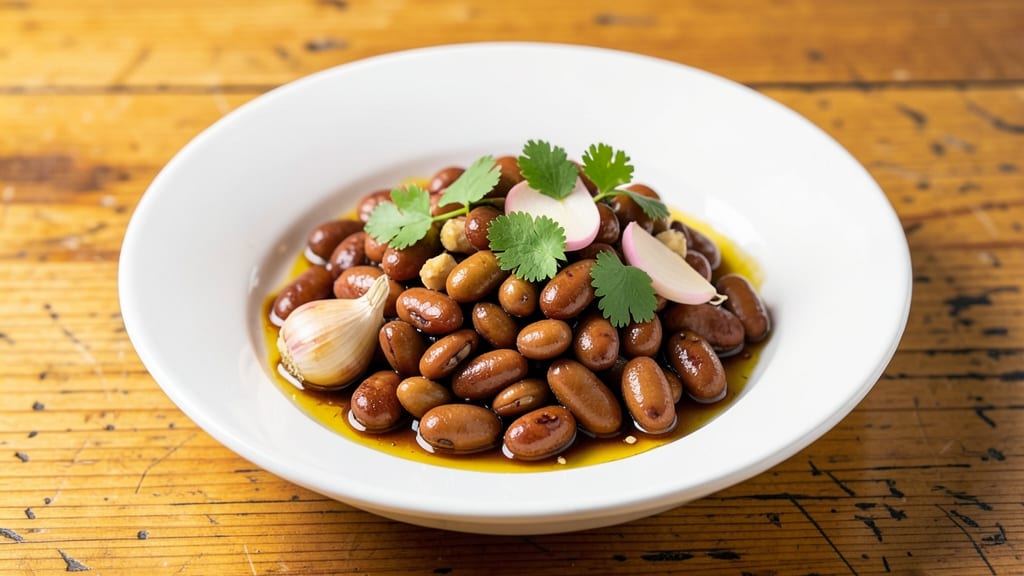
This one-pot camellia beans recipe delivers a bold umami punch that transforms simple ingredients into a restaurant-worthy side dish with just 20 minutes of active time. The secret lies in balancing earthy camellia beans with bright garlic and lemon, creating a dish that’s both comforting and vibrant.
I first tasted these beans in a traditional Chinese market and knew their rich, nutty flavor deserved a spotlight in modern home cooking.
The beauty of this recipe is its simplicity—no chopping, no multiple pans, just one pot where the beans soften, the garlic infuses, and the lemon brightens everything into a cohesive, flavorful medley. Perfect for pairing with grilled meats or steamed vegetables, this dish elevates any meal with minimal effort.
The camellia beans, often overlooked in Western kitchens, bring a unique depth that pairs beautifully with their citrusy, garlicky companions.
By the end, you’ll have a one-pot umami bomb with tender beans, crisp edges, and a sauce that clings perfectly to each bite. The aroma alone will have everyone at the table asking what’s for dinner.
This recipe is your gateway to exploring camellia beans—versatile, nutritious, and packed with flavor that stands out in any dish.
For best results, source camellia beans from specialty Asian markets or online retailers, where they’re often sold dried or roasted. If you can’t find them, substitute with black soybeans for a similar texture, though the flavor will differ slightly.
Serve with a side of jasmine tea to complement the dish’s natural earthiness and bright acidity.
Ingredients for camellia beans
Earthy camellia beans meet bright garlic and zesty lemon in this one-pot wonder.
| Ingredient | Amount | Notes |
|---|---|---|
| Camellia Beans (Dried) 🥜 | 1 ½ cups | Dried or roasted, from Asian markets |
| Garlic Cloves 🧄 | 6 cloves | Freshly minced for bright flavor |
| Lemon Juice 🍋 | ½ cup | Freshly squeezed, not bottled |
| Low-Sodium Soy Sauce 🍶 | ⅓ cup | Kikkoman preferred for balance |
| Sesame Oil 🫒 | 1 tbsp | Toasted, not flavored |
| Ginger Root 🌿 | 1 tbsp | Freshly grated, aromatic |
| Vegetable Oil 🫒 | 2 tbsp | High smoke point preferred |
| Water 💧 | 3 cups | Filtered for best results |
| Salt 🧂 | 1 tsp | Diamond Crystal preferred |
| Black Peppercorns 🌶️ | ½ tsp | Freshly cracked for heat |
| Green Onions 🧅 | 2 whole | Thinly sliced for garnish |
| Toasted Sesame Seeds 🌾 | 1 tsp | For garnish and crunch |
| Red Chili Flakes 🌶️ | ¼ tsp | Optional for heat |
Camellia beans are the star here, and specialty Asian markets are your best bet for quality. Look for dried beans in the bulk section—they should be plump and uniform, not shriveled or discolored. If you can't find them, black soybeans work as a substitute, though the flavor will differ slightly. The garlic and ginger should be fresh, with vibrant color and no signs of sprouting. For the soy sauce, Kikkoman is a reliable choice, but any low-sodium variety will do. Toast your sesame oil gently in a dry pan before adding to the dish to deepen its nutty aroma.
No sesame oil? Toasted peanut oil works in a pinch, though the flavor will be subtly different. Short on ginger? One teaspoon of ground ginger can substitute, but fresh is always better. The lemon juice can be bottled if necessary, though freshly squeezed adds a brighter punch. For extra umami, a splash of mirin or rice vinegar can enhance the dish without altering its core profile. If you prefer less heat, skip the chili flakes entirely—the garlic and ginger provide plenty of depth on their own.
This dish reheats beautifully—simply add a splash of water and cover until warmed through. Store leftovers in an airtight container in the fridge for up to 5 days, though the flavors actually improve after the first day as everything melds together. For longer storage, freeze portions for up to 3 months. The beans will soften further when reheated, so adjust cooking time slightly if you're reheating from frozen. Garnish with fresh green onions and sesame seeds just before serving to keep everything vibrant.
Why You'll Love This Recipe
- No-Soaking Needed: I just toss dried camellia beans in boiling water for 10 minutes—no overnight prep, no fancy tricks. Honestly, that’s half the battle won before I even start sautéing.
- Umami-Packed Punch: The garlic and soy sauce caramelize into something ridiculously good—deep, savory, with that bright lemon cut. It’s the kind of flavor that makes you reach for seconds without thinking.
- Leftover Goldmine: These beans stay crispy and delicious for days, so I batch-cook them for lunches or stir-fry boosters. My lunchbox never looks the same twice, and neither does my wallet.
- Budget Meal MVP: A cup of dried beans costs pennies, and they stretch across salads, noodles, or even as a snack. Between us, this is my go-to when I need to feed the family without breaking the bank.
Step-by-step instructions for camellia beans with garlic-lemon zing
This one-pot method transforms simple dried camellia beans into a rich, umami-packed dish with bright citrus and aromatic garlic.
Prepare the Camellia Beans
Rinse the 1.5 cups dried camellia beans thoroughly under cold water in a colander, then drain well. This removes any dust and prepares them for even cooking. In a large pot or Dutch oven, combine the drained beans with the 3 cups water and bring to a boil over medium-high heat. Once boiling, reduce heat to medium-low and let the beans simmer uncovered for 20 minutes. This initial simmer softens them slightly and removes any excess starches.
I always check the water level after 10 minutes—if it's reduced significantly, add enough hot water to maintain a 1-inch liquid layer above the beans. The beans should be partially softened but still hold their shape. This step ensures they absorb flavors properly without becoming mushy later. If you're using pre-roasted beans, skip this initial simmer and proceed directly to the aromatics.
Build the Flavor Base
Add the 2 tablespoons vegetable oil to the pot and increase heat to medium. Once the oil shimmers, add the 6 minced garlic cloves and 1 tablespoon freshly grated ginger root. Cook for 1-2 minutes until the garlic becomes fragrant and just begins to turn golden—this prevents bitterness. Here's the thing—don't walk away. Garlic burns quickly, and you want that sweet, aromatic flavor.
Stir in the 0.33 cup low-sodium soy sauce and 0.5 cup freshly squeezed lemon juice. The lemon juice will brighten the dish while cutting through the richness of the soy. Let the mixture simmer for 3-4 minutes until the raw garlic smell disappears and the sauce begins to thicken slightly. This creates the flavor foundation that will infuse the beans during cooking.
Add Aromatics and Seasonings
Pour in the 1 tablespoon toasted sesame oil and immediately stir to distribute it evenly. Add the 1 teaspoon salt and 0.5 teaspoon freshly cracked black peppercorns, then sprinkle in the 0.25 teaspoon red chili flakes if using. The sesame oil adds depth while the chili flakes introduce subtle heat that balances the dish. Let everything simmer together for 5 minutes, allowing the flavors to meld and the beans to absorb the aromatic oils.
Here's where it gets fun—the beans should now be tender but still hold their shape. Taste the cooking liquid and adjust seasoning if needed. I usually add a splash more soy sauce or lemon juice at this point to ensure the flavors are balanced. The beans should be absorbing the garlic-lemon-zing profile while maintaining their texture. If they're still firm, cover and simmer for another 5 minutes before checking again.
Finish and Garnish
Once the beans are tender (they should be easily pierced with a fork but not falling apart), reduce heat to low. Stir in the 2 thinly sliced green onions, reserving a few slices for garnish. Let the mixture cook for 2-3 minutes to wilt the onions slightly and incorporate their fresh flavor. The green onions add a bright contrast to the rich bean base.
Remove the pot from heat and let it sit covered for 5 minutes. This resting period allows the beans to finish absorbing the flavors. Before serving, sprinkle with 1 teaspoon toasted sesame seeds and the reserved green onion slices. The sesame seeds add crunch and visual appeal, while the green onions provide a fresh finish. Serve immediately over steamed rice or with crusty bread to soak up the flavorful sauce.
Pro Tips For Making Camellia Beans
- Soak Overnight, Not Quick: Camellia beans are stubborn—rushing the soak (even 10 minutes in boiling water) leaves them chewy. I learned this the hard way after a dinner where the texture felt like eating dried pebbles. Use cold water and let them sit 8–12 hours; they’ll soften evenly and absorb flavors better.
- Minced Garlic Burns Fast: Freshly minced garlic in sesame oil? Yes, but watch the heat—it turns bitter in seconds. Cook it low and slow (2–3 minutes) until fragrant but still pale gold. No need to brown it; you’re building flavor, not making garlic butter.
- Lemon Juice Last: Add lemon juice at the very end—right after the soy sauce and just before serving. The acid cuts through the richness of sesame oil and keeps the beans from getting mushy. (I used to add it early and regretted the watery texture every time.)
- Taste Before Salting: Low-sodium soy sauce is already mild, and camellia beans soak up salt like sponges. Taste the beans mid-cooking, then adjust with a splash of soy or a pinch of salt. You’ll avoid the "too bland" or "overpowering" traps I’ve seen in too many home-cooked versions.
Wine and beer pairings for camellia beans
Earthy Tea Pairings
The natural umami depth of camellia beans pairs beautifully with traditional Chinese teas that complement their earthy richness. A jasmine tea—lightly floral and aromatic—cuts through the dish’s savory notes while enhancing the lemon’s brightness.
I recommend Loose-leaf jasmine pearls from Davidson’s Tea for their delicate fragrance and smooth finish. For a bolder match, try Pu-erh tea, which shares camellia’s earthy undertones and creates a harmonious flavor bridge. 🍵
Citrus-Infused Wines
White wines with citrusy profiles elevate this dish’s garlicky-lemon zing. A crisp Sauvignon Blanc from New Zealand—like Kim Crawford’s Sauvignon Blanc—offers vibrant acidity that mirrors the lemon’s freshness while balancing the soy sauce’s saltiness.
For a lighter option, Pinot Grigio from Italy provides a clean, neutral canvas that lets the dish’s flavors shine. Avoid heavy reds; their tannins clash with the beans’ delicate texture.
Malty Beer Complements
Beer lovers should opt for malty styles that enhance the dish’s umami without overpowering it. A Belgian Dubbel like Westmalle Dubbel brings caramelized sweetness and subtle spice that pairs wonderfully with the garlic and ginger.
For a lighter option, try a German Hefeweizen—its banana and clove notes complement the sesame oil’s nuttiness. Avoid hop-forward IPAs; their bitterness competes with the soy sauce’s salt.
Herbal Infusions
Herbal teas add a refreshing contrast to the dish’s richness. Mint tea—steeped with fresh peppermint—cleanses the palate between bites, while hibiscus tea (with its tart, cranberry-like flavor) echoes the lemon’s brightness.
I often serve chamomile tea after the meal to soothe digestion, especially when paired with spicy chili flakes. These options work beautifully as both palate cleansers and digestifs.
Fermented Pairings
For a unique twist, serve with fermented beverages that deepen the dish’s complexity. A lightly effervescent kombucha with ginger and lemon—like GT’s Synergy—enhances the garlic’s pungency while adding probiotic benefits.
Alternatively, sake (especially a junmai ginjo) with its delicate sweetness and clean finish complements the beans’ earthiness without overwhelming the lemon’s acidity. 🍶
Nutrition facts
Frequently asked questions
Where can I find camellia beans for this recipe?
Look for camellia beans in the bulk section of specialty Asian markets or online retailers like Amazon or Asian Grocery Stores. They're often sold dried or roasted under names like "camellia seed beans" or "tea seed beans." If unavailable, black soybeans work as a substitute, though the flavor will differ slightly. Always check for plump, uniform beans without discoloration.
Can I make this recipe without sesame oil?
Swap sesame oil for toasted peanut oil or even avocado oil in a pinch. The dish will still deliver bold flavors, though the nutty depth from sesame will be missing. For extra aroma, toast a teaspoon of sesame seeds in a dry pan and sprinkle them on top before serving. The garlic and lemon will still shine through.
How do I adjust the spice level for sensitive palates?
Simply omit the red chili flakes entirely—the garlic, ginger, and soy sauce provide plenty of depth without heat. For a milder kick, reduce the chili flakes to 1/8 teaspoon or use a pinch of smoked paprika instead. The lemon brightens the dish naturally, balancing any remaining richness.
Can I prepare this dish ahead of time?
This recipe tastes even better the next day! Store leftovers in an airtight container in the fridge for up to 5 days. Reheat gently with a splash of water to restore moisture. For longer storage, freeze portions for up to 3 months. The flavors deepen as the beans absorb the garlic-lemon sauce over time.
What’s the best way to serve these camellia beans?
Pair them with steamed jasmine rice to soak up the flavorful sauce, or serve over crusty bread for a hearty meal. For extra contrast, add a side of quick-pickled cucumbers or stir-fried greens. The dish also works beautifully as a vegetarian main when served with a protein like tofu or tempeh.