
Side Dishes
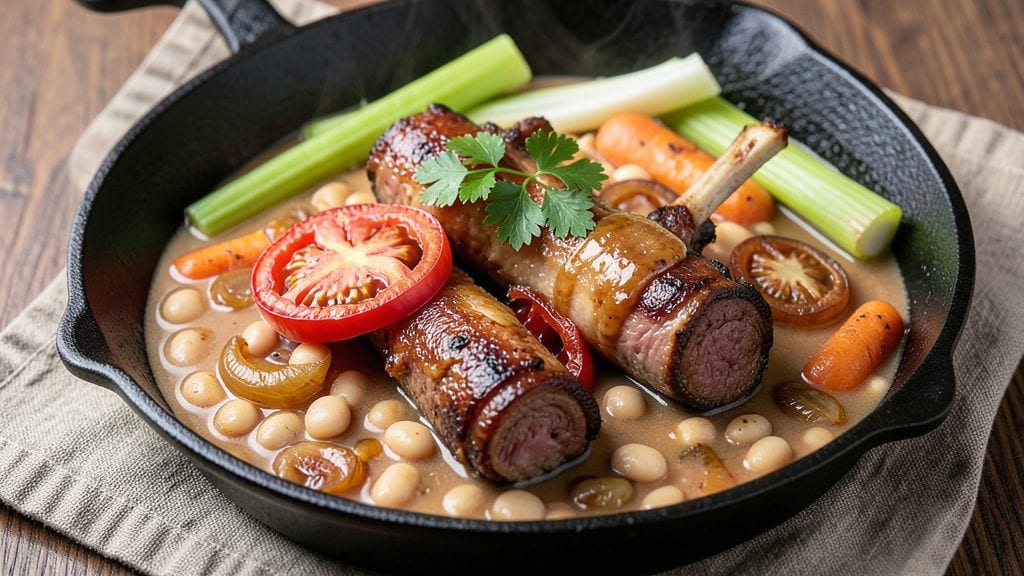
This canned pinto beans and ham hock recipe turns humble ingredients into a rich, soul-warming stew that redefines leftovers. This recipe builds rich, collagen-infused depth through slow simmering, turning humble ingredients into a hearty side that pairs perfectly with grilled meats or cornbread.
The key lies in proper browning and patience—letting the ham hock work its magic over time.
What sets this dish apart is its ability to deliver restaurant-quality richness without requiring special ingredients. A simple molasses or mustard finish elevates the flavors, while optional bacon adds extra smoky depth.
The process is straightforward but demands attention to timing—simmering just right ensures tender beans and a velvety broth that clings to every bite.
By the time you're done, you'll have a stew so deeply savored it becomes the centerpiece of any meal. The ham hock infuses the beans with unmatched tenderness, while the slow cook transforms canned beans into something extraordinary.
This is comfort food at its finest—simple to prepare but impossible to resist.
Serve alongside roasted vegetables, grilled chicken, or as a standalone dish with crusty bread. The versatility makes it perfect for weeknight dinners or holiday gatherings. Here's how to create it step by step.
Ingredients for canned pinto beans and ham hock
Sixteen ingredients transform into a collagen-rich, velvety stew that elevates humble canned beans to restaurant-quality depth.
| Ingredient | Amount | Notes |
|---|---|---|
| Canned Pinto Beans 🌱 | 2 cans | 15-ounce cans, drained and rinsed |
| Ham Hock 🥓 | 2 whole | Smoked or unsmoked, skin-on preferred |
| Yellow Onion 🧅 | 1 whole | Medium, diced into 1/4-inch pieces |
| Celery Stalks 🥬 | 3 whole | Trimmed, cut into 1/2-inch pieces |
| Carrots 🥕 | 3 whole | Medium, peeled and chopped |
| Garlic Cloves 🧄 | 4 cloves | Peeled and smashed |
| Smoked Paprika 🌶️ | 1 tbsp | For depth and smokiness |
| Ground Black Pepper 🌶️ | 1 tsp | Freshly cracked for optimal flavor |
| Dried Thyme 🌿 | 1 tsp | Or 1 tbsp fresh thyme leaves |
| Bay Leaves 🍃 | 2 whole | Fresh or dried, removed before serving |
| Unsalted Butter 🧈 | 2 tbsp | For browning vegetables |
| Unseasoned Chicken Broth 💧 | 4 cups | Low-sodium preferred |
| Dark Molasses 🍯 | 1 tbsp | For subtle sweetness and depth |
| Dijon Mustard 🍯 | 1 tbsp | For brightness and complexity |
| Salt 🧂 | 1 ½ tsp | Kosher or sea salt, adjust to taste |
The ham hock is non-negotiable—its collagen transforms the beans into something luxurious. Smoked hocks add depth, while unsmoked versions require a pinch of smoked paprika to mimic that flavor. Source them from butcher shops or specialty grocers like Whole Foods or Dartmouth Farms for the best quality. If using canned beans, avoid low-sodium varieties unless you're adding extra salt later; the flavor profile benefits from a touch of saltiness. The onion, celery, and carrots should be fresh—wilted or rubbery vegetables will yield a bland broth. Diamond Crystal kosher salt is ideal for seasoning, but any fine sea salt works.
No ham hock? Substitute with 2 cups of beef broth and 1/2 cup beef bone broth for collagen, though the texture won't be identical. Swap smoked paprika for 1/2 tsp liquid smoke if needed, but the flavor won't be as nuanced. Fresh thyme is preferable, but dried works at one-third the amount—just ensure it's labeled as culinary-grade. For the molasses, blackstrap adds a deeper flavor, while regular molasses works in a pinch. The Dijon mustard can be replaced with 1 tbsp yellow mustard, though the texture will differ slightly. If your broth is low-sodium, add an extra 1/2 tsp salt during simmering.
This stew tastes even better the next day as flavors meld. Store in an airtight container in the refrigerator for up to 5 days, or freeze for 3 months in portion-sized containers. The ham hock can be removed after 2 hours of simmering for easier serving, though leaving it in until the end maximizes collagen infusion. For meal prep, double the batch—the extra broth freezes beautifully for future soups or braises. Crusty bread or cornbread is the perfect companion, soaking up every bit of that velvety broth.
Why You'll Love This Recipe
- No Chopping Nightmares: I swear by this recipe on nights when I’d rather watch a movie than dice onions. Just toss in whole carrots and celery stalks—they’ll soften perfectly while you simmer, and honestly? Nobody cares if they’re "perfectly chopped."
- Smoky Depth Magic: That ham hock? It’s the secret weapon—slow-cooked until the meat falls off the bone, infusing the beans with a richness you won’t find in any jarred version. The onions caramelize right in the pot, adding a sweetness that makes this dish ridiculously good.
- Leftovers That Beg for More: This recipe doubles easily, and the flavors only get better the next day. I’ll be real: I’ve reheated this for lunch three times in a row, and my family still asks for seconds. (Yes, even on a Tuesday night.)
- Budget-Friendly Crowd-Pleaser: You’re getting protein, veggies, and flavor for pennies—ham hocks are cheap, canned beans last forever, and the veggies stretch into a hearty stew. Feed four for the price of one fancy dinner, and everyone leaves happy.
Step-by-step instructions for deep-savored ham hock and pinto bean stew
This method transforms humble ingredients into a rich, collagen-packed stew where every element harmonizes.
Render the Ham Hock and Build the Flavor Base
Place the 2 whole ham hock in a large Dutch oven and cover with water by 2 inches. Bring to a boil over medium-high heat, then immediately reduce to medium-low and simmer for 30 minutes. This initial rendering extracts collagen and fat, creating the stew's velvety foundation.
While the ham hocks cook, dice the 1 whole yellow onion into ¼-inch pieces and cut the 3 whole celery stalks and 3 whole carrots into ½-inch chunks. Peel and smash the 4 cloves garlic. The vegetables will join the pot shortly, but having them prepped ensures nothing burns while you focus on the ham hocks.
After 30 minutes, remove the ham hocks and set aside. Strain the liquid through a fine-mesh sieve, discarding the solids. Return the strained liquid to the pot and set it aside—this golden broth is the heart of your stew.
Sauté Vegetables and Develop the Spice Profile
In the same Dutch oven, melt the 2 tablespoons unsalted butter over medium heat. Add the diced onion, celery, and carrots, cooking for 8-10 minutes until the vegetables soften and the onion becomes translucent. Stir occasionally to prevent sticking, but resist the urge to rush—this slow cooking develops depth of flavor.
Add the smashed garlic cloves and cook for 1 minute until fragrant. Immediately stir in the 1 tablespoon smoked paprika, 1 teaspoon ground black pepper, and 1 teaspoon dried thyme. The spices will bloom instantly, filling your kitchen with warmth. Cook for 30 seconds to toast the paprika, which enhances its smoky character.
Pour in the 4 cups unseasoned chicken broth and scrape up any browned bits from the bottom of the pot. Add the 2 whole bay leaves and bring to a gentle simmer. This aromatic base will infuse the stew with complex layers of flavor as it cooks.
Simmer the Stew and Infuse with Collagen
Return the ham hocks to the pot and add the 2 cans drained and rinsed canned pinto beans. Stir in the 1 tablespoon dark molasses and 1 tablespoon Dijon mustard, then bring the stew back to a simmer. The molasses adds subtle sweetness, while the mustard introduces brightness that cuts through the richness.
Cover the pot and simmer over low heat for 2 hours. The ham hocks will break down into tender, shreddable pieces, releasing collagen that thickens the stew into a luxurious consistency. Stir occasionally to prevent the beans from sticking to the bottom, and check the liquid level—add a splash of water if it reduces too much.
After 2 hours, remove the ham hocks and shred the meat using two forks, discarding any bones or connective tissue. Return the shredded meat to the pot and stir in the 1.5 teaspoons salt. Taste and adjust the seasoning, adding more salt or a pinch of black pepper if needed. The stew should be rich, savory, and balanced with just a hint of sweetness from the molasses.
Finish and Serve with Crispy Topping
For the final touch, increase the heat to medium-high and simmer uncovered for 10-15 minutes to reduce the stew slightly and intensify the flavors. Skim off any excess fat that rises to the surface with a spoon, leaving just enough to coat the back of a spoon.
Ladle the stew into bowls and garnish with extra shredded ham hock if desired. Serve immediately with crusty bread or over buttered egg noodles to soak up every last drop of that collagen-rich broth. The contrast of the warm, hearty stew against the crisp bread creates the perfect balance of textures.
Pro Tips For Making Canned Pinto Beans And Ham Hock
- Blister the Ham First: Toss that ham hock in a dry skillet over medium-high heat until the skin cracks and browns—about 3-4 minutes per side. I learned this the hard way; skipping this step means you’ll just have a sad, pale ham floating in your beans instead of rich, caramelized flavor.
- Dice the Veggies Small: Cut the onion, celery, and carrots into ¼-inch pieces—no bigger than a dime. Big chunks stay tough and undercooked while the beans turn mushy. Sounds tedious, but it actually cuts cooking time by half and makes every bite consistent.
- Simmer, Don’t Boil: Keep the heat at a gentle simmer, not a rolling boil, once everything’s in the pot. Boiling turns beans to mush and washes away the ham’s rendered fat—both are crimes in this dish. A slow, steady bubble is all you need.
- Drain, Rinse, Repeat: Drain and rinse the canned beans before adding them to the pot—even if they’re “low-sodium.” The ham hock already adds salt, and leftover brine makes the beans watery. Two minutes with a colander saves you from fixing a soggy mess later.
Essential equipment for this dish
Dutch Oven Essentials
A 5-7 quart Dutch oven is non-negotiable for this recipe—its heavy gauge construction ensures even heat distribution, preventing hot spots that can burn your vegetables. I swear by the Le Creuset Signature Dutch Oven (5.5 quarts) for its durability and tight-fitting lid, which locks in moisture during the long simmer.
For budget-friendly options, Lodge's 5.5-quart cast iron Dutch oven delivers the same performance without the premium price tag. 🔥
Fine-Mesh Sieve
You'll need a stainless steel fine-mesh sieve (like the OXO Good Grips) to strain the ham hock liquid after rendering. The fine mesh ensures you capture all the flavorful particles while removing solids, resulting in a clear, collagen-rich broth.
Avoid plastic sieves—they can't handle the heat and won't last through multiple uses. I keep mine in my kitchen sink for quick access during stew prep.
Heavy-Bottomed Pot
If you don't have a Dutch oven, a heavy-bottomed stainless steel pot (such as All-Clad's 6-quart stockpot) works in a pinch. The thick base prevents scorching during the long simmer, which is critical for developing deep flavors.
Avoid thin aluminum pots—they heat unevenly and can cause the bottom to stick, ruining your stew's texture.
Measuring Tools
Precision matters in this recipe, so invest in a stainless steel measuring spoons set (like Mercer Culinary) for accurate spice measurements. A digital kitchen scale (such as the OXO Good Grips) is also helpful for weighing ingredients like butter or molasses if you prefer grams over volume.
I find scales reduce guesswork, especially when adjusting seasonings like salt.
Tongs and Slotted Spoon
Long-handled tongs (like JYF 12-inch kitchen tongs) and a slotted spoon (such as OXO's Good Grips) are essential for handling the ham hocks and stirring without disturbing the beans.
The tongs let you grip the hocks firmly for easy removal, while the slotted spoon helps skim fat and lift vegetables without breaking them apart. Both tools keep your hands safe from hot liquid splashes.
Immersion Blender (Optional)
For a silky-smooth texture, an immersion blender (like the Ninja QL1000) lets you blend the stew directly in the pot to your desired consistency. Pulse for 10-15 seconds at the end for a velvety finish, then stir in the shredded ham hock.
This step is optional but elevates the dish to restaurant-quality—especially if you're serving it as a standalone main course. 💫
Nutrition facts
Frequently asked questions
Can I use dried pinto beans instead of canned?
You can, but it requires extra time and prep. Soak 1.5 cups dried pinto beans overnight, then simmer for 1 hour before adding to the stew. The texture will be slightly firmer than canned beans, but the flavor deepens with the longer cook time. For best results, use 2.5 cups dried beans (they shrink significantly).
How do I store leftovers to keep them tasting fresh?
Transfer to an airtight container and refrigerate for up to 5 days. The flavors actually improve overnight! For longer storage, freeze in portion-sized containers for 3 months. Thaw in the fridge overnight—never microwave directly from frozen. The broth may thicken when reheated, so add a splash of water or broth if needed.
What if I can't find ham hock? Can I substitute?
Use 2 cups beef broth + ½ cup beef bone broth for collagen, plus ½ cup diced smoked bacon for smokiness. Cook the bacon first to render fat, then remove before adding other ingredients. The texture won't be identical, but it'll still be delicious. For extra depth, add 1 tsp liquid smoke at the end.
Why does my stew taste bland after simmering?
Blandness usually means insufficient browning or seasoning. Always brown the ham hock first to extract collagen and fat. Taste before serving—add extra salt, black pepper, or a pinch of smoked paprika if needed. For brightness, stir in 1 tbsp apple cider vinegar or lemon juice at the end. The molasses and mustard should balance flavors, but adjust to taste.
Can I make this in a slow cooker?
Brown the ham hock and veggies in a skillet first, then transfer everything to a 6-quart slow cooker. Add broth and simmer on LOW for 6-8 hours or HIGH for 3-4 hours. The slow cooker's gentle heat enhances collagen breakdown, making the stew even richer. Just skip the final reduction step—it's already perfectly tender.