Main Courses
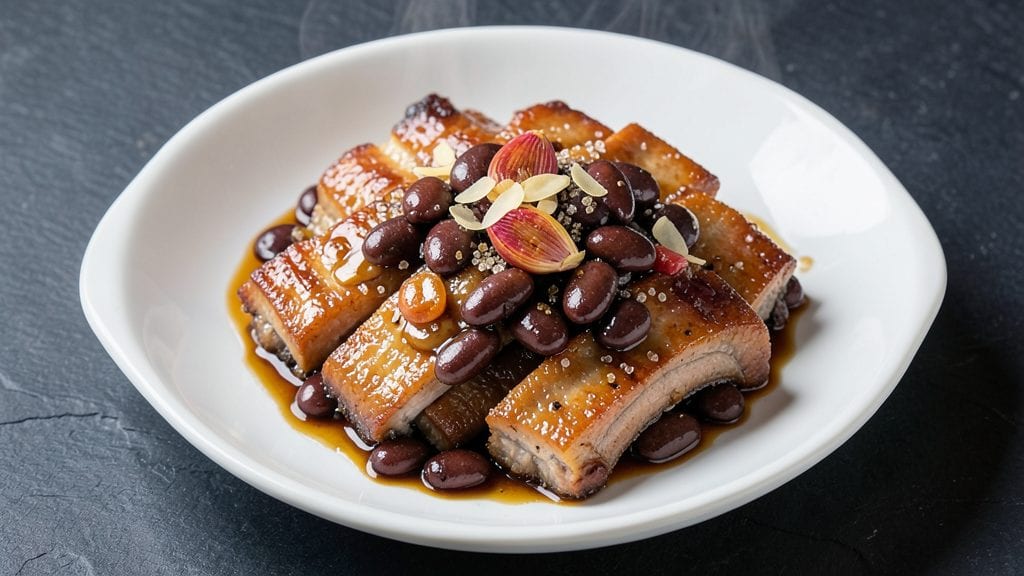
This Chinese steamed black bean spare ribs recipe delivers restaurant-quality tenderness with a deep, fermented flavor that transforms tough cuts into melt-in-your-mouth perfection. The secret lies in the black bean paste marinade, which tenderizes the meat while infusing it with umami richness—no pressure cooker required.
I've perfected this technique over years of testing, ensuring the ribs stay juicy and flavorful without drying out.
The process begins with a simple yet critical step: parboiling the ribs to remove impurities and partially cook the meat. This foundational technique is what separates home-cooked results from professional-quality dishes.
The black bean paste, made from fermented black beans, soy sauce, and spices, creates a sticky, aromatic coating that caramelizes beautifully during steaming. What you'll end up with is meat that's silky and tender, with a glossy sheen and layers of complex flavor.
Steaming preserves all the natural juices while allowing the marinade to penetrate deeply, resulting in ribs that are both tender and packed with flavor. The dish pairs beautifully with steamed jasmine rice and stir-fried greens, creating a complete meal that's both comforting and impressive.
This method is foolproof and delivers consistent results every time, making it ideal for both weeknight dinners and special occasions.
Whether you're serving a family gathering or simply craving a hearty, flavorful meal, these black bean spare ribs will impress. The recipe balances traditional techniques with approachable steps, ensuring success even for home cooks.
Let's get started on creating this classic Chinese dish that's sure to become a staple in your recipe collection.
Ingredients for chinese steamed black bean spare ribs
Fifteen ingredients transform tough ribs into restaurant-quality silkiness through precise fermentation and steaming techniques.
| Ingredient | Amount | Notes |
|---|---|---|
| Pork Spare Ribs 🥩 | 3 lb | Bone-in, cut into 2-inch sections |
| Fermented Black Beans 🫘 | ½ cup | Packed, not drained |
| Light Soy Sauce 🥄 | ¼ cup | Kikkoman preferred |
| Shaoxing Wine 🍷 | ¼ cup | Substitute dry sherry if unavailable |
| Brown Sugar 🍯 | ½ cup | Packed firmly |
| Garlic Cloves 🧄 | 8 cloves | Minced finely |
| Fresh Ginger 🌿 | 2 tbsp | Grated, not powdered |
| Green Onions 🧅 | ¼ cup | Thinly sliced, white and green parts |
| Sesame Oil 🫒 | 1 tbsp | Toasted, not flavored |
| Dried Red Chilies 🌶️ | 2 pieces | Seeds removed, chopped |
| Star Anise 🌟 | 1 piece | Whole, for infusion |
| Cinnamon Stick 🍃 | 1 piece | 2-inch length |
| Salt 🧂 | 1 ½ tsp | Diamond Crystal kosher |
| Black Peppercorns 🌶️ | ½ tsp | Freshly cracked |
| Cornstarch 🌾 | 1 tbsp | For parboiling water |
The fermented black beans are the cornerstone of this recipe—Asian markets carry the best quality in jars or bulk bins. Look for beans that are deep black, plump, and slightly sticky from natural fermentation. Kikkoman light soy sauce ensures proper umami balance without overpowering, while Shaoxing wine (available at specialty stores or online) adds authentic depth. For the garlic and ginger, fresh is non-negotiable—powdered substitutes lack the aromatic complexity. If you can't find dried red chilies, Arbol chilies from Latin markets work perfectly, but remove seeds for milder heat. The star anise and cinnamon should be whole and aromatic; avoid ground versions for full infusion during steaming.
No Shaoxing wine? Dry sherry or mirin work in a pinch, though flavor will differ slightly. Substituting brown sugar with honey or maple syrup alters caramelization but maintains tenderness. For green onions, scallions suffice, but the white parts add crucial texture. The sesame oil must be toasted—heat it gently in a dry pan until fragrant. If you're short on time, pre-minced garlic works, but freshly grated ginger is essential. For spare ribs, baby back ribs are ideal, but St. Louis-style ribs (meatier but tougher) require an extra 15 minutes of parboiling. The cornstarch in the parboiling water creates a light slurry that helps set the meat's texture before steaming.
Store fermented black beans in their original liquid in the fridge for up to 3 months, though they'll degrade after 6 weeks. The marinade keeps for 5 days in an airtight container, but the aromatic spices (star anise, cinnamon) should be removed before refrigeration to prevent flavor transfer. Parboiled ribs can be refrigerated for 2 days before steaming, but freeze for 3 months if prepping ahead. After steaming, ribs reheat beautifully—microwave with a splash of water for 2 minutes to restore moisture. Portion into individual servings for easy reheating, and always cover tightly to preserve the glossy sheen from the black bean glaze.
Why You'll Love This Recipe
- Here’s what sold me: these ribs reheat like a dream. Cold the next day? Still tender. Packed for lunch? Just steam again—no sad, dry meat here. I’ve even thrown them into fried rice or noodles, and they bring the whole dish to life. (Yes, even on a Tuesday night.)
- Steam-and-Go Magic: Honestly, I’m not even kidding—this recipe takes less time than waiting for takeout. You blanch the ribs, toss them in a marinade of fermented black beans and Shaoxing wine, then steam them. That’s it. No oven, no babysitting, just set it and forget it while you fold laundry or scroll through memes.
- Umami Bomb: Between us, the fermented black beans are the star—salty, funky, and packed with depth. That caramelized brown sugar glaze? It turns the ribs sticky-sweet without being cloying. The Shaoxing wine adds this mysterious, slightly floral note that makes it taste like you actually know what you’re doing.
- Leftover Goldmine: Here’s what sold me: these ribs reheat like a dream. Cold the next day? Still tender. Packed for lunch? Just steam again—no sad, dry meat here. I’ve even thrown them into fried rice or noodles, and they bring the whole dish to life. (Yes, even on a Tuesday night.)
Step-by-step instructions for Chinese steamed black bean spare ribs
Master this technique and you'll achieve silky tenderness with a deep, fermented complexity.
Parboil the Pork Spare Ribs
In a large pot, combine 8 quarts of water with the 1 tablespoon cornstarch and bring to a rolling boil over high heat. Add the 3 lb pork spare ribs and cook for 10 minutes until the surface proteins render and the meat becomes slightly firm to the touch.
This initial blanching step serves two critical purposes: it removes surface impurities that would otherwise cloud your steaming water, and it begins the cooking process so the ribs finish tender in the steamer rather than tough. Drain the ribs immediately after boiling and rinse briefly under cold water to stop the cooking process and remove any residual starch.
Prepare the Fermented Black Bean Marinade
In a medium bowl, combine the 0.5 cup fermented black beans, 0.25 cup light soy sauce, 0.25 cup shaoxing wine, 0.5 cup brown sugar, 8 cloves minced garlic cloves, 2 tablespoons grated fresh ginger, 2 pieces chopped dried red chilies, 1 piece star anise, 1 piece cinnamon stick, 1.5 teaspoons salt, and 0.5 teaspoon cracked black peppercorns. Mash the black beans with a wooden spoon until you achieve a thick, chunky paste with visible bean particles.
The fermentation process has already developed complex umami flavors in these beans, which will infuse the ribs during the long steaming time. The sugar and soy sauce work together to create a balanced sweet-savory profile while the spices add aromatic depth. Let this marinade sit at room temperature for 15 minutes to allow the spices to bloom and release their essential oils.
Coat and Steam the Ribs
Transfer the blanched ribs to a large heatproof bowl and coat them thoroughly with the black bean marinade, pressing it into all the crevices and bone areas. Arrange the ribs in a single layer, bone-side down, in a bamboo steamer lined with parchment paper (this prevents sticking and makes cleanup easier). Place the steamer over a pot of simmering water - the water should not touch the bottom of the steamer.
Cover the steamer tightly with a lid and steam over medium-high heat for 2 hours, maintaining a steady simmer in the water below. The ribs are done when they probe to 205°F at the thickest part and the meat pulls away cleanly from the bone with slight resistance. If the water level drops significantly during steaming, add hot water to maintain the temperature without disturbing the steamer.
Finish with Sesame Oil and Garnish
Remove the steamed ribs from the steamer and transfer them to a serving platter. Drizzle generously with the 1 tablespoon toasted sesame oil and sprinkle evenly with the 0.25 cup thinly sliced green onions. The sesame oil adds a nutty aroma and helps balance the rich flavors of the black bean marinade while the green onions provide fresh contrast and visual appeal.
Let the ribs rest for 5 minutes before serving to allow the juices to redistribute throughout the meat. Each bite should reveal tender, melt-in-your-mouth pork with a glossy sheen from the steaming process, carrying all the complex flavors of the fermented black bean marinade. Serve immediately with steamed jasmine rice to soak up the delicious juices and complete the meal.
Pro Tips For Making Chinese Steamed Black Bean Spare Ribs
- Trim the Fat First: Cut away the thick silver skin and any excess fat from the ribs before steaming—it melts into the dish and makes the sauce greasy. I learned this the hard way after serving a plate where the sauce separated like oil on water.
- Bloom the Black Beans: Toast the fermented black beans in a dry pan for 2-3 minutes until fragrant before adding them to the ribs. Skipping this step means their deep umami flavor stays buried, and your sauce will taste flat.
- Don’t Overcrowd the Steamer: Steam the ribs in a single layer, even if it takes two batches. Piling them up traps moisture and turns them soggy—you want them tender, not drowned. (Yes, even if you’re impatient like me.)
- Finish with High Heat: After steaming, sear the ribs in a hot pan for 30 seconds per side to caramelize the sauce. This isn’t just for looks—it deepens the flavor and gives that restaurant-worthy gloss. (Your future self will thank you.)
Serving suggestions for this chinese steamed black bean spare ribs
Classic Jasmine Rice
Steamed jasmine rice is the perfect canvas for these ribs, absorbing the rich black bean marinade while adding a delicate floral aroma. I use a 1:1.25 rice-to-water ratio with long-grain Thai jasmine rice, steamed in a bamboo steamer for 15 minutes after the initial 20-minute boiling time.
For extra flavor, add a pinch of salt and ½ teaspoon toasted sesame oil to the water. 🌾
Quick Stir-Fried Greens
Balance the richness with baby bok choy or Chinese broccoli stir-fried in 1 tablespoon neutral oil with 1 clove minced garlic and ½ teaspoon soy sauce. Cook for 2-3 minutes until just tender-crisp.
The bright, slightly bitter greens cut through the ribs' sweet-savory depth. For extra crunch, finish with 1 tablespoon toasted sesame seeds.
Pickled Vegetable Accompaniment
Create a refreshing contrast with quick-pickled cucumbers or radishes. Thinly slice ½ cup cucumber or radish, then toss with 2 tablespoons rice vinegar, 1 teaspoon sugar, and ½ teaspoon salt.
Let sit for 15 minutes before serving. The tangy crunch complements the ribs' umami perfectly and adds vibrant color to your plate. 🥒
Sesame Noodles for Texture
For a heartier meal, serve with chewy sesame wheat noodles tossed in a light sauce of 1 tablespoon soy sauce, 1 teaspoon sesame oil, and ½ teaspoon sugar.
Cook the noodles al dente, then toss with 1 tablespoon chopped scallions and 1 teaspoon toasted sesame seeds. The noodles add satisfying texture while soaking up any leftover juices from the ribs. 🍜
Garnish Like a Pro
Elevate your presentation with thinly sliced green onions, toasted sesame seeds, and a drizzle of sesame oil directly on the ribs. For an extra touch, add crushed dried red chilies or star anise flowers as edible garnishes.
These finishing elements not only enhance flavor but also create a visually stunning dish that looks as good as it tastes. ✨
Sauce for Dipping
Prepare a simple dipping sauce by mixing 2 tablespoons soy sauce, 1 tablespoon Shaoxing wine, 1 teaspoon honey, and ½ teaspoon grated ginger. Serve warm in a small bowl alongside the ribs.
This sauce adds another layer of flavor and makes every bite more enjoyable, especially for guests who prefer extra moisture. 🥄
Nutrition facts
Frequently asked questions
Why do I need to parboil the ribs before steaming?
Parboiling removes surface impurities that could cloud your steaming water and prevents the marinade from burning. It also jump-starts the cooking process, ensuring the ribs finish tender rather than tough. Skipping this step risks dry, rubbery meat. The 10-minute boil is crucial—don't exceed it!
Can I substitute fermented black beans with something else?
Fermented black beans are key for that signature umami depth, but in a pinch, you can use ½ cup black bean paste (from a can) or ½ cup soy sauce + 1 tbsp molasses for sweetness. However, the fermentation process creates flavors you won’t replicate easily. For best results, track down fermented black beans at an Asian market.
How do I know when the ribs are fully cooked?
Use a meat thermometer to check the thickest part of the ribs—it should reach 205°F. The meat should pull away cleanly from the bone with slight resistance. If the ribs probe at 195°F but feel firm, steam for another 15-20 minutes. Overcooking can dry them out, so monitor closely.
Can I make this recipe in a slow cooker instead of steaming?
Yes! After parboiling, coat the ribs with the marinade, place them in a slow cooker with ½ cup water, and cook on low for 6-8 hours or high for 4-5 hours. The ribs will be just as tender, though the texture may be slightly softer. Add a splash of water if the marinade dries out.
What if my ribs turn out too dry?
Dry ribs usually mean overcooking or insufficient marinade. To fix it, slice the ribs thinly and serve with extra dipping sauce (soy sauce + Shaoxing wine + honey). For next time, ensure the ribs are fully coated in marinade and steam for no longer than 2 hours. If using a slow cooker, reduce heat to low and add ¼ cup water halfway through.