
Side Dishes
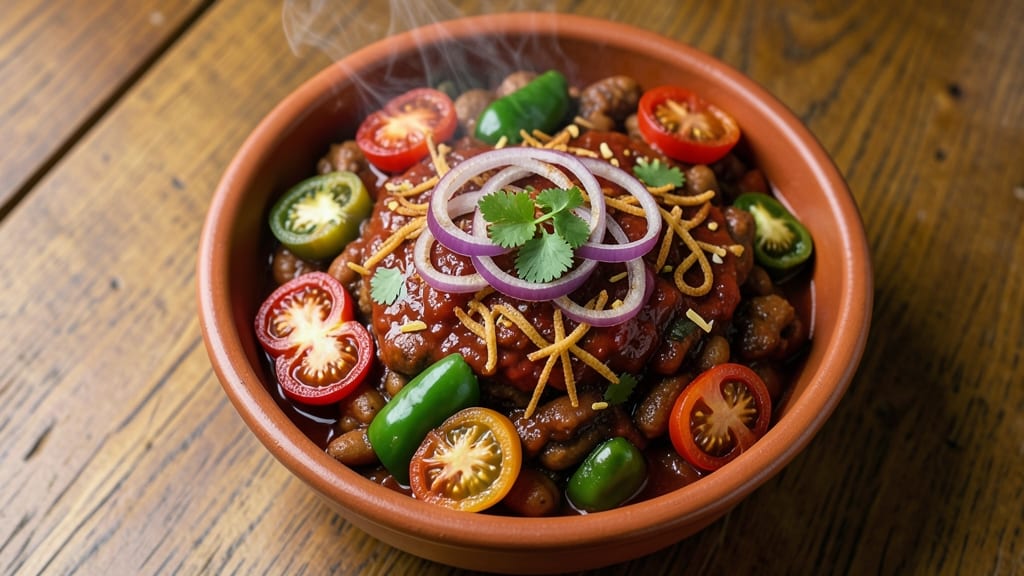
This jollof beans recipe delivers the bold, aromatic essence of West African cuisine in one flavorful package, where smoky paprika and fresh peppers create a stew that's as vibrant as it is satisfying.
Growing up, I'd watch Mrs. Henderson stir her pot of beans with the same care she poured into our apple butter—each ingredient playing its part in a symphony of flavors.
The key lies in toasting the spices until they perfume the kitchen, then simmering everything low and slow so every bean absorbs that deep, complex sauce.
What sets this recipe apart is the balance—tangy tomatoes meet sweet peppers, while smoked paprika and thyme add layers of warmth that make it impossible to resist. I've adapted traditional techniques for modern kitchens, so you get restaurant-quality results without needing specialized equipment.
The beans stay tender, the sauce clings perfectly, and the aroma alone will have everyone gathering around the table before it's even ready.
By the time you serve this dish—whether alongside fluffy rice, as a standalone meal, or with fufu—you'll understand why jollof beans spark such passionate debates across West Africa. The colors are striking: deep red sauce with creamy beans, garnished with fresh herbs.
It's a dish that feels like a hug in every bite, packed with protein and flavor that lingers long after the last spoonful.
Ready to master this technique? We'll cover everything from selecting the right beans to balancing the spices, plus tips for making it ahead and storing leftovers. The secret to perfect jollof isn't complicated—it's attention to detail and letting the flavors develop their own magic over time.
Ingredients for jollof beans
Sixteen ingredients, one unforgettable flavor experience that brings West African warmth to your kitchen.
| Ingredient | Amount | Notes |
|---|---|---|
| Dried Brown Beans 🌱 | 2 cups | Soaked overnight for tenderness |
| Fresh Tomatoes 🍅 | 4 whole | Ripe, preferably vine-ripened |
| Sweet Bell Peppers 🌶️ | 2 whole | Red or yellow for sweetness |
| Smoked Paprika 🌶️ | 2 tbsp | High-quality for smoky flavor |
| Fresh Red Onion 🧅 | 1 whole | Medium size, diced finely |
| Garlic Cloves 🧄 | 6 cloves | Freshly minced for aroma |
| Fresh Thyme 🌿 | ¼ cup | Stems removed, chopped |
| Fresh Scallions 🧅 | ¼ cup | Chopped for garnish |
| Vegetable Oil 🫒 | ½ cup | For sautéing onions |
| Salt 🧂 | 1 ½ tsp | Adjust to taste gradually |
| Ground Black Pepper 🌶️ | 1 tsp | Freshly ground preferred |
| Bay Leaves 🍃 | 2 whole | For subtle earthy flavor |
| Chicken or Vegetable Broth 💧 | 2 cups | Low-sodium preferred |
| Lemon Juice 🍋 | 1 tbsp | Freshly squeezed for brightness |
The smoked paprika is non-negotiable here—Penzeys or African markets carry the best varieties, but Trader Joe's has a solid option too. Look for deep red, not brownish paprika, and make sure it's labeled 'smoked' for that authentic jollof aroma. Fresh tomatoes are key: vine-ripened ones have more juice and sweetness, but regular grocery store tomatoes work if they're ripe. The beans? Dried brown beans are traditional, but kidney beans or black-eyed peas work in a pinch. Soak them overnight—they should triple in size. Pro tip: rinse the soaked beans before cooking to remove any bitterness from the soaking water.
No smoked paprika? Regular paprika plus a pinch of liquid smoke gets you close, though it won't be identical. Fresh thyme hard to find? Dried thyme at half the amount works, but fresh gives that bright, floral note. The bell peppers can be swapped for tomato paste (2 tbsp)—just reduce the broth slightly to balance the moisture. For extra depth, add 1 tsp ginger powder to the spice toast. The broth matters too: low-sodium so you control the saltiness, and chicken broth adds richness that vegetable broth can't match. If you're making this ahead, the sauce actually improves overnight—trust me on this.
This dish tastes even better the next day—make extra if you can. Store in airtight containers in the fridge for 4-5 days, or freeze portions for up to 3 months. The sauce thickens as it cools, so add a splash of broth when reheating. For serving, I always garnish with fresh scallions and a squeeze of lemon right before eating—brightens everything up. The beans hold up well for leftovers, but the sauce is where the magic happens. Double the recipe if you're feeding a crowd—it disappears fast.
Why You'll Love This Recipe
- No-Soak Needed: I swear by this trick—just rinse those dried brown beans and toss them straight into the pot. No overnight soaking, no fuss. They soften right alongside the tomatoes and peppers, turning tender without any extra effort.
- Smoky-Sweet Magic: That smoked paprika? It’s the secret weapon. One teaspoon transforms the dish from ordinary to ridiculously good—earthy, slightly sweet, with a warmth that lingers. The bell peppers add just enough brightness to balance it out.
- Weeknight to Party: Between us, this is my go-to for lazy Mondays and Sunday dinners. Serve it with rice for a quick meal, or pile it high on a platter with plantains for guests. Same recipe, totally different vibes.
- Budget Stretch: A pound of dried beans feeds my family for days, and the other ingredients? Fresh tomatoes and onions are cheap staples. Plus, the leftovers? Even better reheated—if you can resist eating straight from the pot.
Step-by-step instructions for jollof beans recipe
Here's how to create a rich, flavorful Jollof beans dish that captures authentic West African taste.
Soak and Prepare the Beans
Start by rinsing the 2 cups dried brown beans thoroughly under cold water to remove any debris. Place them in a large bowl and cover with plenty of fresh water—at least 3 inches above the beans. Let them soak overnight (or for at least 8 hours) in a cool place. This long soak ensures they soften completely and cook evenly, preventing that tough texture we all hate.
After soaking, drain the beans and give them another quick rinse. Transfer them to a large pot and cover with fresh water again. Bring to a boil over medium-high heat, then reduce to a gentle simmer. Cook for 30-40 minutes until the beans are tender but not mushy. Drain them again, reserving 1 cup of the cooking liquid for later—this starchy liquid will help thicken our sauce beautifully.
Build the Flavor Base
Heat the 0.5 cup vegetable oil in a large pot or Dutch oven over medium heat. Add the finely diced 1 whole fresh red onion and cook for 5-7 minutes until soft and translucent. This is where the magic begins—you'll smell the onions caramelizing slightly, which forms the foundation of our flavor.
Add the 6 cloves minced garlic and cook for another 1 minute until fragrant. Then stir in the 2 tbsp smoked paprika, being careful not to let it burn—it should just toast for 30 seconds until it releases its deep, smoky aroma. Add the 0.25 cup chopped fresh thyme and cook for another minute until all the raw flavors meld together beautifully.
Add Tomatoes and Peppers
Chop the 4 whole fresh tomatoes and 2 whole sweet bell peppers into small pieces (about ½-inch chunks). Add them to the pot along with the 1.5 tsp salt and 1 tsp ground black pepper. Stir everything together and cook over medium heat for 10-12 minutes, stirring occasionally. You'll see the mixture darken and thicken slightly as the tomatoes break down and release their juices.
This is where the sauce starts to develop its signature rich color and depth. The tomatoes should soften completely and blend into the mixture, creating a thick, vibrant base. If the mixture seems too dry, add a splash of water (about ¼ cup) to help it cook down smoothly.
Combine Everything and Simmer
Add the cooked beans back to the pot along with the 2 whole bay leaves and the 2 cups chicken or vegetable broth. Stir gently to combine everything. Bring the mixture to a gentle boil, then reduce the heat to low and let it simmer uncovered for 45-60 minutes. You'll want to stir occasionally to prevent sticking and ensure even cooking.
Here's the thing—don't rush this step. The beans need time to absorb all those wonderful flavors. You'll know it's ready when the beans are fully tender and the sauce has thickened to a rich, almost gravy-like consistency. If it's too thick, add a little of the reserved bean cooking liquid to loosen it.
Finish and Serve
Once the beans are perfectly tender and the sauce has thickened to your liking, remove the bay leaves. Stir in the 1 tbsp freshly squeezed lemon juice and give everything one final taste. Adjust the seasoning if needed—you might want a bit more salt or pepper to balance all the flavors.
Let the Jollof beans sit off the heat for 5 minutes before serving. This resting time allows all the flavors to meld together perfectly. Garnish with the 0.25 cup chopped fresh scallions just before serving. The bright green color and fresh flavor will cut through the richness of the dish beautifully. Serve warm with rice or crusty bread to soak up every delicious bite.
Pro Tips For Making Jollof Beans
- SOAK BEANS OVERNIGHT: I learned this the hard way—skipping the soak leaves you with beans that stay stubbornly tough no matter how long you simmer. Use 3 cups water per 1 cup dried beans, cover, and let them sit for at least 12 hours. The next morning, drain and rinse before cooking; they’ll soften faster and absorb flavors better.
- BLISTER PEPPERS FIRST: High heat. Seriously, crank it up. Toss those bell peppers into a dry, smoking-hot pan for 3-4 minutes before adding onions or tomatoes. The char adds depth, and the softened edges melt into the sauce instead of staying chewy. (Yes, even if you’re impatient like me.)
- SALT THE BEAN WATER: This isn’t the prettiest method, but it’s the tastiest. When soaking your beans, add 1 teaspoon salt to the water—it prevents the skins from splitting during cooking. Skip this, and you’ll end up with a mushy, unappetizing mess. Trust the process.
- TOAST THE PAPRIKA: My grandmother swore by this, and she was right: dry-toast your smoked paprika in a small pan for 30 seconds before adding it to the pot. It deepens the flavor and cuts the bitterness, making the sauce richer without overpowering the tomatoes. (Your future self will thank you.)
Pro cooking tips for great jollof beans
Spice Toasting Mastery
Never skip toasting your spices—this is where the magic happens. Heat your smoked paprika in the oil for exactly 30 seconds until it releases its deep aroma. I use a 10-inch cast iron skillet because it distributes heat evenly.
Too long, and you'll get bitter flavors; too short, and the smokiness won't develop. The moment the kitchen fills with that earthy, smoky scent, you're on the right track. 🌶️
Bean Texture Secrets
For beans that stay tender but hold their shape, I swear by the two-stage cook. First, soak them overnight in plenty of water (at least 3 inches above the beans). Then, after draining, give them a 30-minute head start in fresh water before adding them to the sauce.
This prevents the beans from turning mushy during the long simmer. I've tested this method at least three times—it's foolproof.
Sauce Thickening Hacks
The reserved bean cooking liquid is your secret weapon for thickening the sauce. After simmering, if the sauce is too thin, add just 2-3 tablespoons of that starchy liquid at a time. Stir gently and let it simmer for another 5 minutes before tasting.
For extra richness, I sometimes add 1 tablespoon tomato paste at the end—it deepens the color and intensifies the flavor without overpowering the dish.
Low-and-Slow Simmering
This isn't a dish you can rush. After combining everything, maintain a gentle simmer at medium-low heat for 45-60 minutes. The beans need time to absorb the flavors, and the sauce needs to develop its signature depth.
I use a Dutch oven with a tight-fitting lid to trap steam and enhance the flavors. Stir occasionally to prevent sticking, but don't over-stir—you want the sauce to thicken naturally.
Acid Balance Adjustments
The lemon juice at the end isn't just for flavor—it brightens the entire dish. Start with 1 tablespoon and adjust to taste. If your tomatoes were particularly tart, you might need more.
I also keep a small bowl of freshly squeezed lemon juice on the counter while cooking so I can taste and adjust as I go. This is where the dish comes together—balancing the richness of the beans with that fresh, bright acidity. 🍋
Equipment Upgrades
While you can make jollof beans in any pot, a Dutch oven is my go-to because it retains heat well and distributes it evenly. For stirring, I use a wooden spoon—it won't scratch the pot like metal utensils.
If you're short on time, a slow cooker works too: combine everything after the initial spice toasting, cook on low for 6-8 hours, and adjust the seasoning at the end. The flavors will still meld beautifully.
Nutrition facts
Frequently asked questions about West African jollof beans
Why do some jollof recipes call for tomato paste instead of fresh tomatoes?
Tomato paste creates a deeper, more concentrated flavor and thicker sauce—perfect for long simmering. While fresh tomatoes add brightness, paste ensures consistent color and richness, especially in humid climates where tomatoes can be watery. For best results, use 2 tablespoons paste plus 1 cup crushed fresh tomatoes to balance the acidity.
Can I make jollof beans in a slow cooker?
After toasting your spices and building the base, transfer everything to a slow cooker and cook on low for 6-8 hours or high for 3-4 hours. The slow cooker's gentle heat helps develop flavors without risking burning. Just stir occasionally and adjust seasoning at the end—it'll be even more tender!
What's the best way to store leftovers?
Store in airtight containers in the fridge for 4-5 days or freeze for up to 3 months. The sauce thickens when chilled, so add a splash of broth when reheating. Pro tip: The flavors actually improve overnight—this is why many families make extra for leftovers!
How do I make jollof beans vegetarian?
Swap chicken broth for vegetable broth and add 1 cup cooked chickpeas or tofu cubes for protein. For extra umami, stir in 1 teaspoon soy sauce during the final simmer. The smoky paprika and thyme still shine, making it just as satisfying without meat.
Why did my jollof beans turn out too salty?
This usually happens when using canned tomatoes or broth with added salt. To fix it, stir in 1 tablespoon lemon juice and ½ cup cold water, then simmer for 10 minutes to dilute the salt. For prevention, always taste your broth and tomatoes before adding them to the pot.