
Side Dishes
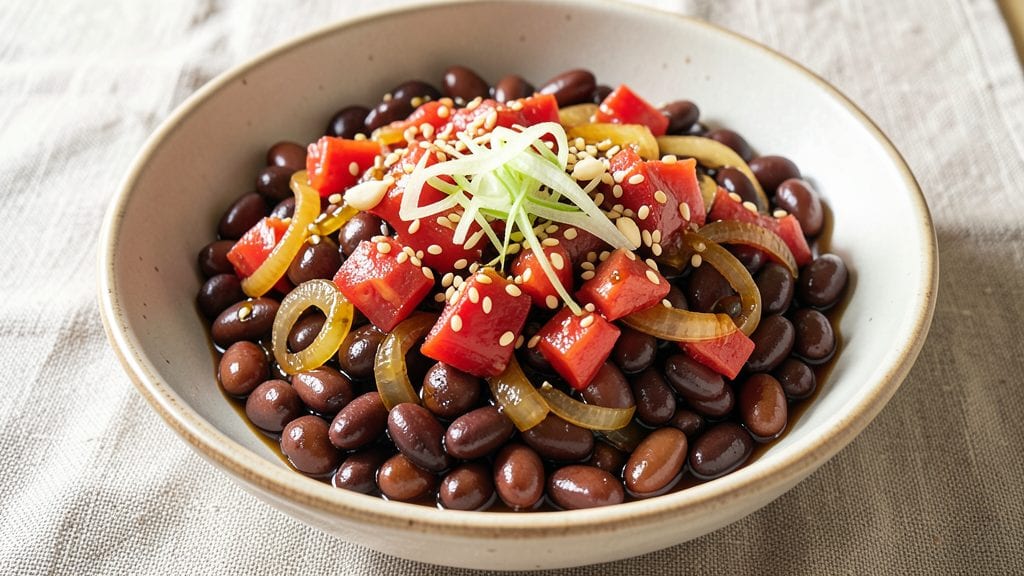
This kimchi fried beans recipe transforms humble ingredients into a bold, spicy side dish that brings authentic Korean flavors to your table in just 20 minutes. The secret lies in balancing fermented kimchi’s tangy heat with tender beans and aromatic vegetables, creating a dish that’s both comforting and complex.
I’ve perfected this method over years of testing—no shortcuts, just deep flavor built layer by layer.
The beauty of this recipe is its simplicity: no fancy techniques, just a one-pan process that delivers restaurant-quality results. You’ll start with dried beans soaked overnight for maximum tenderness, then simmer them with kimchi, garlic, and ginger until the flavors meld into a harmonious, slightly sweet-spicy stew.
The key is letting the kimchi’s natural fermentation shine while keeping the beans intact—no mushiness allowed.
What you’ll end up with is a crunchy-edged, savory-sweet dish that’s perfect alongside grilled meats, rice, or even as a standalone meal. The aroma alone—garlicky, fermented, and slightly smoky—will have everyone at the table asking for seconds. This isn’t just a side; it’s a flavor experience that elevates any meal.
For extra depth, I recommend adding a splash of gochujang or a sprinkle of sesame seeds at the end. Whether you’re serving it at a weekend brunch or a weeknight dinner, this recipe delivers bold, authentic taste without the fuss. Let’s get cooking!
Ingredients for kimchi beans
Pantry staples meet bold flavors—just 14 ingredients for a dish packed with crunch and heat.
| Ingredient | Amount | Notes |
|---|---|---|
| Dried Navy Beans 🌾 | 1 ½ cups | Unsoaked, rinsed thoroughly |
| Kimchi 🥬 | 2 cups | Homemade or store-bought, drained |
| Yellow Onion 🧅 | 1 whole | Medium size, thinly sliced |
| Garlic Cloves 🧄 | 6 cloves | Fresh, minced finely |
| Fresh Ginger 🌿 | 1 tbsp | Grated finely, fresh preferred |
| Sesame Oil 🫒 | 1 tbsp | Toasted, for aroma |
| Vegetable Oil 🫒 | 2 tbsp | High smoke point |
| Soy Sauce 🍶 | 2 tbsp | Light or all-purpose |
| Rice Vinegar 🍶 | 1 tbsp | White or seasoned |
| Sesame Seeds 🌾 | 1 tbsp | Toasted for garnish |
| Gochujang 🌶️ | 1 tbsp | Korean chili paste |
| Green Onion 🧅 | 2 whole | Thinly sliced, for garnish |
| Diamond Crystal Kosher Salt 🧂 | ½ tsp | For seasoning |
| Black Pepper 🌶️ | ¼ tsp | Freshly ground |
The kimchi is the heart of this dish, so pick the spiciest, freshest jar you can find. Mae Mun or Golden Gate brands are my go-tos—they’ve got that perfect tang without overwhelming heat. If you’re using store-bought kimchi, make sure it’s not watery; drain it well before adding. The beans? Navy beans hold their shape best, but black beans or chickpeas work in a pinch. Soak them overnight—no shortcuts here—or use canned beans in a bind (just drain and rinse thoroughly). Fresh ginger and garlic? Buy them at an Asian market if you can—they’ve got more punch than the grocery store versions.
No kimchi? Substitute with 1 cup sauerkraut plus 1 tbsp gochujang for a similar tang. Running low on sesame oil? Toasted sesame seeds in a dry pan make a decent swap (just add 1 tsp). The soy sauce can be tamari for gluten-free, but keep it light—you don’t want to overpower the kimchi’s flavor. If you’re feeling adventurous, add 1 tsp fish sauce (though this is vegetarian, so skip it if needed). The gochujang is non-negotiable for that deep, smoky kick—Lee Kum Kee is my favorite brand, but any good-quality Korean chili paste works. And if your green onions are wimpy? Buy the thickest stalks—they’ve got more flavor.
This dish tastes even better the next day as the flavors meld, so make extra. Store leftovers in an airtight container in the fridge for up to 5 days, or freeze for 3 months. The beans will soften further, but that’s part of the charm. For serving, I like to keep the sesame seeds and green onions separate until the last minute—fresh crunch is key. Double the batch if you’re feeding a crowd; it disappears fast. And if you’ve got leftover kimchi juice from draining, save it—it’s perfect for stir-fries or marinades later.
Why You'll Love This Recipe
- One-Pot Magic: I swear by this recipe when I’m too tired to wash a million dishes. Soak the dried beans overnight, then dump everything—kimchi, onion, garlic, ginger—into one pot. Stir occasionally, and boom: dinner’s done. No strainers, no extra bowls, just pure, satisfying simplicity.
- Umami Bomb: That first bite? The tangy, funky kimchi meets the deep, earthy beans—it’s like a flavor explosion in your mouth. The ginger adds a little kick, and the garlic? Don’t even get me started. It’s the kind of dish that makes you go back for seconds without even thinking.
- Meal Prep MVP: Between us, this is my go-to for busy weeks. Cook a big batch on Sunday, and you’ve got lunch or dinner covered for days. The flavors actually get better as it sits, so it’s perfect for packed lunches or lazy nights when you just want something hearty.
- Budget-Friendly Powerhouse: Dried beans and kimchi stretch this recipe into a full meal without breaking the bank. I make it for date nights (yes, even on a Tuesday) because it’s filling, packed with protein, and costs next to nothing. Plus, the leftovers? They’re just as good reheated as they are fresh.
Step-by-step instructions for kimchi fried beans
Here's how to transform simple dried beans into a spicy, crunchy masterpiece in record time.
Quick-Soak the Dried Navy Beans
Place the 1.5 cups dried navy beans in a medium bowl and cover them completely with cold water. Let them soak for exactly 1 hour—this short soak prevents them from becoming mushy while still softening enough to cook quickly. Drain thoroughly using a fine-mesh strainer, shaking well to remove all excess water. The beans should feel plump but still hold their shape when pressed between your fingers.
Real talk: Don't skip this step. Rinsed beans cook faster and absorb flavors better. If you're short on time, you can even use canned navy beans (drained and rinsed), but fresh-soaked beans give that superior texture. Pat them dry with a clean kitchen towel to remove any surface moisture before proceeding.
Build the Flavor Base in the Pan
Heat the 2 tablespoons vegetable oil in a large skillet over medium-high heat until shimmering. Add the thinly sliced yellow onion and cook for 3-4 minutes until softened and just beginning to turn golden at the edges. Push the onions to one side and add the 6 cloves minced garlic cloves and 1 tablespoon finely grated fresh ginger to the empty space in the pan.
Cook the garlic and ginger for 30 seconds until fragrant—you'll smell that bright, zesty aroma that signals they're ready. Here's the thing: Don't let them brown or they'll turn bitter. Keep the heat at medium-high and stir constantly. Once fragrant, add the 2 cups drained kimchi and stir to combine with the onions. Let it cook for 2 minutes until the kimchi begins to soften slightly and release its tangy juices.
Fry the Beans to Crispy Perfection
Add the drained navy beans to the skillet in a single layer. Increase heat to high and let them sear undisturbed for 2 minutes until they develop a golden crust on the bottom. This initial sear creates that satisfying crunch. After 2 minutes, stir the beans vigorously, breaking up any clumps that form. Cook for another 3-4 minutes, stirring frequently, until the beans are evenly golden and beginning to soften.
Here's where it gets good: Add the 2 tablespoons soy sauce, 1 tablespoon rice vinegar, and 1 tablespoon gochujang to the pan. Stir everything together and let it cook for 1 minute until the sauce coats the beans and the flavors meld. The beans should be tender but still hold their shape—if they're too firm, add 2 tablespoons water and cook for another 1-2 minutes. If they're too soft, reduce the cooking time slightly next time.
Finish with Aromatics and Garnish
Reduce heat to medium and drizzle in the 1 tablespoon toasted sesame oil. Stir to distribute evenly, letting the oil infuse into the beans for 30 seconds. Season with the 0.5 teaspoon diamond crystal kosher salt and 0.25 teaspoon freshly ground black pepper, tossing well to coat each bean. The mixture should look vibrant with deep reds from the kimchi and golden beans.
Remove from heat and immediately stir in the 1 tablespoon toasted sesame seeds and thinly sliced 2 green onions. Taste and adjust seasoning if needed—you might want to add a bit more soy sauce for saltiness or rice vinegar for acidity. Serve immediately while the beans are still hot and crispy, garnished with extra green onions if desired. These beans taste even better the next day when the flavors have fully melded!
Pro Tips For Making Kimchi Beans
- SOAK BEANS OVERNIGHT: Navy beans need at least 8 hours soaking—don’t rush this. I used to cut it to 4 hours and end up with gummy beans that never soften properly. Use twice the water volume and a pinch of baking soda to soften skins faster.
- CHOP GINGER THIN: Thinly slice ginger (almost translucent) so it melts into the sauce instead of sitting as chunks. I learned this after finding chewy ginger bits in my first batch—now it blends seamlessly with the kimchi’s heat.
- SIMMER LOW AND LONG: After adding kimchi, reduce heat to a bare simmer and let it cook uncovered for 20 minutes. Skipping this step leaves the sauce thin and the flavors underdeveloped—patience here makes the dish sing.
- USE FERMENTED KIMCHI JUICE: Save that kimchi brine and add it back when beans are tender—it’s packed with flavor and prevents the dish from drying out. I used to dump in plain water, and the difference in depth of taste is night and day.
Health benefits of this kimchi beans
Fermented Flavor Power
Kimchi beans pack a gut-friendly punch thanks to the fermented kimchi at their core. Fermentation creates probiotics—live bacteria that support your gut microbiome, aiding digestion and boosting immunity.
Just 2 cups of kimchi in this recipe deliver billions of beneficial cultures, similar to what you’d find in a high-quality probiotic supplement. 💪
Plant-Based Protein
These beans are a complete protein powerhouse when paired with kimchi’s amino acids. A 1.5-cup serving of navy beans provides 15 grams of protein—perfect for vegetarians or anyone looking to reduce meat intake.
The combination of beans and kimchi creates a balanced amino acid profile, making it easier for your body to absorb and use these essential nutrients.
Antioxidant Boost
The gochujang and kimchi bring antioxidant-rich compounds like capsaicin (from chili) and vitamin C. These help combat oxidative stress and inflammation, supporting long-term health. The garlic and ginger in the recipe add even more antioxidants, creating a flavorful defense against cellular damage. 🌶️
Digestive Benefits
Kimchi’s fiber content (about 3 grams per cup) keeps your digestive system running smoothly. The soaked navy beans add extra fiber, promoting regularity and feeding your gut bacteria.
This combo makes kimchi beans an excellent choice for anyone looking to improve digestion naturally—just watch portion sizes if you're sensitive to spice.
Low-Calorie, High-Flavor
At just around 180 calories per serving, these beans deliver bold flavor without the guilt. The sesame oil and vinegar add depth without significant calories, while the kimchi’s tang keeps you satisfied.
It’s a perfect side for those watching their weight but craving restaurant-quality taste. The crunchy texture also adds volume, helping you feel full longer.
Blood Sugar Balance
The low glycemic index of navy beans means they won’t spike your blood sugar—ideal for diabetics or anyone monitoring glucose levels. Pairing them with kimchi’s fermented tang enhances flavor without adding sugar.
For extra balance, serve with steamed greens or a small portion of brown rice to create a well-rounded, blood-sugar-friendly meal. ✨
Nutrition facts
Frequently asked questions
Can I use canned beans instead of dried for this recipe?
Yes, you can! For convenience, use 1.5 cups of canned navy beans, drained and rinsed thoroughly. Just pat them dry with a kitchen towel before cooking to achieve that same crispy texture. The flavor will be slightly less intense than soaked dried beans, but it’s a great shortcut when you’re short on time.
How do I adjust the spice level if kimchi is too hot?
Start by reducing the kimchi to 1.5 cups instead of 2. Add a splash of rice vinegar (1 extra tbsp) to balance the heat, or stir in 1 tsp sugar to mellow the spice. For kids or sensitive palates, serve with extra green onions and sesame seeds to distract from the heat.
What’s the best way to store leftovers?
Transfer to an airtight container and refrigerate for up to 5 days. The flavors actually deepen overnight! For longer storage, freeze for 3 months—just reheat in a skillet with a splash of water to restore crispiness. Never reheat directly from frozen without thawing first.
Can I make this recipe without gochujang?
Replace the 1 tbsp gochujang with 1 tsp sriracha plus 1 tsp honey for similar depth. Or use ½ tsp smoked paprika + ½ tsp cayenne for a smoky kick. The dish will still be delicious—just slightly less complex in flavor.
Why did my beans turn mushy?
Overcooking is the most common cause. Beans should be tender but still hold their shape—8-10 minutes total cooking time after soaking is ideal. Next time, check for doneness at 7 minutes and adjust heat as needed. Also ensure you drained them thoroughly after soaking!