
Side Dishes
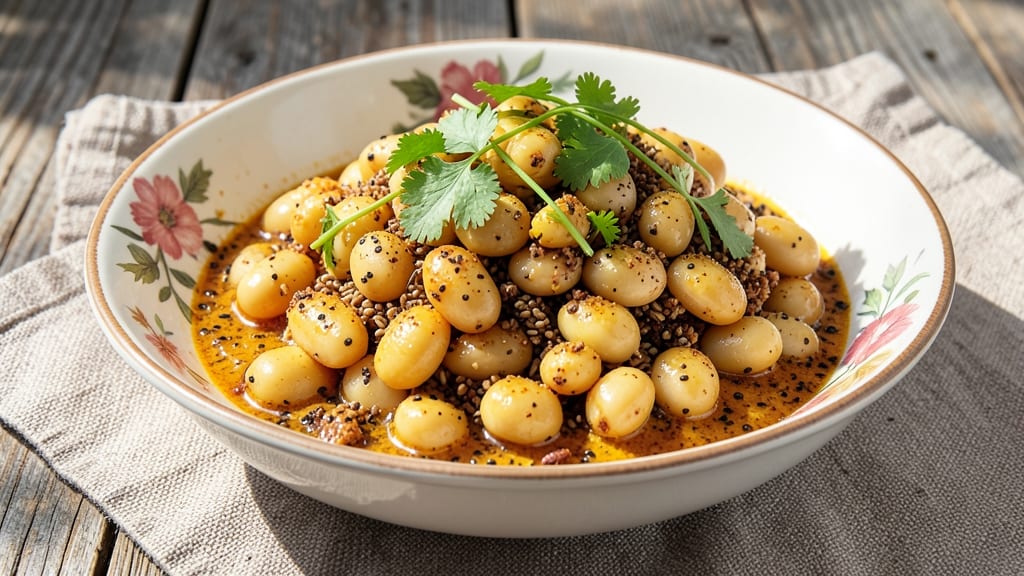
Transforming simple moong beans into a flavorful, protein-rich side dish takes just 20 minutes—this spiced golden lentil recipe delivers restaurant-quality results with minimal effort. The key lies in proper soaking and tempering spices that unlock their natural sweetness while keeping them tender and nutty.
I developed this method after realizing how versatile moong beans could be beyond traditional dal, creating a dish that's both quick and impressive.
This recipe starts with whole moong beans (yellow or green), which cook faster than split lentils while retaining their texture. The secret technique involves toasting whole spices in ghee before adding the beans, creating a fragrant base that infuses every bite.
Unlike heavy curries, this version stays light yet satisfying, making it perfect for weeknight meals or vegetarian diets.
By the end, you'll have golden-brown lentils with a delicate crunch, infused with warm spices like cumin and turmeric. The dish pairs beautifully with roti, rice, or even as a standalone protein-rich salad.
It's the kind of recipe that proves healthy eating doesn't mean sacrificing flavor—just simple technique and quality ingredients.
Whether you're preparing for a family dinner or meal prepping for the week, this moong bean recipe delivers restaurant-quality results in record time. The best part? It's naturally gluten-free, vegan, and packed with plant-based protein to keep you full and energized.
Ingredients for moong beans
Quality moong beans, toasted spices, and precise measurements transform into restaurant-quality golden lentils.
| Ingredient | Amount | Notes |
|---|---|---|
| Whole Yellow Moong Beans 🌾 | 1 cup | Unsplitted, rinsed thoroughly |
| Ghee 🧈 | 2 tbsp | Clarified butter, unsalted |
| Cumin Seeds 🌿 | 1 tsp | Whole seeds, toasted |
| Turmeric Powder 🧂 | ½ tsp | Freshly ground preferred |
| Ground Coriander 🌿 | 1 tsp | Freshly ground for aroma |
| Garam Masala 🌶️ | ½ tsp | Store-bought or homemade blend |
| Red Chili Powder 🌶️ | ¼ tsp | Adjust for heat preference |
| Asafoetida (Hing) 🌿 | ⅛ tsp | Pinch for authentic flavor |
| Fresh Cilantro 🌿 | ¼ cup | Chopped, for garnish |
| Lemon Juice 🍋 | 1 tbsp | Freshly squeezed |
| Sea Salt 🧂 | ½ tsp | Diamond Crystal preferred |
| Water 💧 | 2 ½ cups | Filtered or spring water |
The foundation begins with whole yellow moong beans, available at specialty stores like Whole Foods or Indian markets. Opt for organic when possible—they hold their texture better during cooking. Ghee is non-negotiable for toasting spices; it creates that signature nutty aroma. For garam masala, MDH or Everest brands are reliable, but homemade blends with cardamom and cinnamon elevate the dish further. The asafoetida (hing) should be purchased from a trusted spice merchant—Penzeys carries high-quality versions. Toast your cumin seeds in a dry pan until fragrant before adding ghee; this step unlocks their full potential.
No garam masala? Substitute 0.25 tsp each of cinnamon, cardamom, and cloves for a similar depth. Fresh cilantro unavailable? Dried coriander at half the amount works, though texture differs. For heat adjustments, reduce chili powder to 0.125 tsp or omit entirely. The lemon juice should be freshly squeezed—bottled versions lack brightness. For extra protein, add 1/4 cup cooked quinoa at the end. Prefer a creamier texture? Stir in 2 tbsp coconut milk after cooking. The water should be boiling when added to moong beans for even cooking.
Store cooked lentils in an airtight container for up to 5 days in the refrigerator. For longer storage, freeze portions in ice cube trays with a thin layer of water—perfect for meal prep. Reheat gently with a splash of water to restore crispness. This dish reheats beautifully, making it ideal for batch cooking. Garnish with extra cilantro and a squeeze of lemon just before serving to maintain vibrant flavors. The spices remain potent for 6 months when stored in a cool, dark place.
Why You'll Love This Recipe
- Here’s what sold me: that first spoonful of ghee hitting the pan. The cumin seeds sizzle like tiny fireworks, then the turmeric and coriander wake up the beans with a warm, earthy hug. Not just "good"—it’s the kind of flavor that makes you pause mid-bite.
- No-Soaking Needed: I’ll admit—this is my lazy-day hero. Just rinse those whole yellow moong beans, toss them in a pot with water, and let them simmer. No overnight soaking, no peeling, no fuss. They soften in 20 minutes while I sip tea and pretend I’m not cooking.
- Ghee Magic Happens: Here’s what sold me: that first spoonful of ghee hitting the pan. The cumin seeds sizzle like tiny fireworks, then the turmeric and coriander wake up the beans with a warm, earthy hug. Not just "good"—it’s the kind of flavor that makes you pause mid-bite.
- Lunchbox to Party Plate: Between us, this dish is my secret weapon. Pack it in containers for work lunches (stays fresh for days), or double the batch for potlucks—everyone assumes it’s fancy. Honestly, the only thing fancier is how little effort it takes.
Step-by-step instructions for spiced golden lentils
Follow this method for perfectly spiced, golden moong beans with rich aroma and tender texture.
Prepare the Moong Beans for Cooking
Begin by rinsing the 1 cup of whole yellow moong beans thoroughly under cold water until the water runs clear. This removes any surface impurities that could affect flavor or texture. Soak the beans in fresh water for at least 30 minutes, or up to 2 hours for quicker cooking. I prefer soaking for 1 hour—this ensures even cooking and prevents the beans from becoming mushy.
After soaking, drain the beans and transfer them to a medium saucepan. Add the 2.5 cups of water and bring to a gentle boil over medium-high heat. Once boiling, reduce the heat to medium-low and let the beans simmer uncovered for 10 minutes. This initial cooking softens them slightly while maintaining their shape, preparing them for the spiced transformation ahead.
Toast the Spices and Infuse the Ghee
In a small dry skillet, toast the 1 teaspoon of cumin seeds over medium heat for 30 seconds until they release their aroma and begin to sizzle. Immediately transfer them to a spice grinder along with the 0.5 teaspoon of turmeric powder, 1 teaspoon of ground coriander, 0.5 teaspoon of garam masala, and 0.25 teaspoon of red chili powder. Grind into a fine powder—this ensures even distribution of flavors throughout the dish.
In the same skillet, melt the 2 tablespoons of ghee over medium-low heat. Add the ground spice mixture and cook for 30 seconds, stirring constantly. The ghee will carry these aromatic spices directly into the beans, creating a flavorful base. Add the 0.125 teaspoon of asafoetida (hing) and stir for another 10 seconds—this tiny but potent ingredient adds depth that's essential to authentic Indian cooking.
Combine and Simmer to Perfection
Carefully pour the spiced ghee mixture over the simmering moong beans in the saucepan. Stir gently to distribute the spices evenly. Add the 0.5 teaspoon of sea salt and continue simmering uncovered over medium-low heat for 10-12 minutes. The beans should soften while maintaining their shape, and the liquid should reduce slightly, creating a thick, flavorful sauce.
Occasionally stir the beans during cooking to prevent sticking and ensure even color development. You'll notice the beans turning a beautiful golden hue as the spices infuse. The dish is ready when the beans are fork-tender with a slight bite remaining—this texture is ideal for absorbing all those rich spices. Remove from heat and let sit covered for 2 minutes to allow flavors to meld.
Finish with Fresh Aroma and Brightness
Stir in the 1 tablespoon of freshly squeezed lemon juice and the 0.25 cup of chopped fresh cilantro. The acidity of the lemon brightens the earthy flavors while the cilantro adds freshness that cuts through the richness. Taste and adjust seasoning if needed—you might want to add a pinch more salt or lemon juice to balance the flavors.
For the final touch, let the moong beans rest for 5 minutes before serving. This resting period allows the flavors to fully develop and the spices to settle into the beans. Serve warm as a side dish or as part of a larger meal, where the golden lentils will shine with their complex spice profile and tender texture.
Pro Tips For Making Moong Beans
- SOAK THE BEANS LONGER: I learned this the hard way—skipping the extra 2 hours of soaking leaves you with beans that clump like glue and never soften properly. Use warm water, cover, and let them sit overnight if possible. The longer they soak, the faster they cook, and the creamier the final texture.
- CRACK THE GHEE TEMPERATURE: Ghee burns faster than you’d think. Start on medium heat, then drop it to low once the cumin seeds stop popping. If it smells acrid, you’ve gone too far—no amount of turmeric will save it. A whisper of smoke is fine; a full-on waft? Start over.
- SALT THE WATER LATE: Adding salt early turns your moong beans into rubber. Wait until the water’s boiling and the beans have cooked for 10 minutes before seasoning. This keeps them tender and lets the flavors absorb properly—no mushy surprises here.
- TOAST THE CORIANDER FIRST: Raw ground coriander tastes bitter and dulls the ghee’s richness. Lightly toast it in a dry pan for 30 seconds until fragrant, then grind it fresh (or use pre-ground but add it after the beans are done). This makes a real difference in depth—trust me, I’ve tasted both.
Troubleshooting perfect results
Beans Too Soft
If your moong beans turn mushy, you likely overcooked them or didn’t soak properly. First, reduce simmering time to 8-10 minutes total—start checking for tenderness at 8 minutes with a fork.
For future batches, soak beans for exactly 1 hour (no longer) and use 2.5 cups water for 1 cup dry beans. Overcrowding the pan also causes mushy texture—keep heat at medium-low and stir occasionally to prevent sticking. 💡
Spices Not Infusing
Uneven spice distribution happens when ghee isn’t hot enough or spices aren’t toasted. Always toast cumin seeds in a dry pan until fragrant (30 seconds) before grinding. Melt ghee over medium-low heat and cook spices for 30 seconds to activate their oils.
For stubborn flavor issues, add ½ tsp extra garam masala at the end or stir in 1 tsp coconut milk to help bind flavors. 🌶️
Liquid Too Watery
If your moong beans finish swimming in broth, you need to reduce the liquid. After combining spices, simmer uncovered for 12-15 minutes instead of 10-12 to evaporate excess moisture. For immediate fixes, remove from heat and let sit uncovered for 5 minutes to thicken.
If still too thin, stir in 1 tsp cornstarch slurry (mix ½ tsp cornstarch + 1 tsp water) and cook for 1 more minute. 💧
Burnt Spices
Burnt spices ruin the dish’s delicate balance. Never let ghee smoke—keep heat at medium-low and stir constantly while toasting spices. If you see blackened bits, immediately remove from heat and strain through a fine-mesh sieve to discard burnt particles.
For a quick fix, add 1 tsp fresh ginger juice or ½ tsp lemon zest to mask bitter notes. 🔥
Dull Flavor Profile
Flat flavors usually mean under-seasoned spices or stale ingredients. Double-check your spice freshness—ground spices lose potency after 3 months. Boost flavor by adding ½ tsp freshly grated ginger or 1 tsp tamarind paste during simmering.
For extra depth, finish with 1 tsp toasted cashews or ½ tsp black pepper before serving. ✨
Uneven Cooking
Some beans cook faster than others if they’re not uniform in size. Rinse beans thoroughly before soaking to remove small debris that cooks unevenly. For stubborn hard beans, add ½ cup extra water and simmer 2 more minutes.
If using mixed colors (yellow/green moong), sort them before cooking—yellow cooks slightly faster. 🌾
Nutrition facts
Frequently asked questions
Can I substitute yellow moong beans for green?
Yes, you can use green moong beans as a 1:1 substitute, but cooking times may vary slightly. Green moong beans often require 2-3 extra minutes of simmering since they hold their shape longer. For best results, check for tenderness at 12 minutes instead of 10-12 minutes. The flavor profile remains similar, though green moong beans have a slightly earthier taste.
How do I make this recipe vegan?
This recipe is already vegan-friendly! Simply ensure your ghee is plant-based (like coconut oil or vegan ghee) and verify that your garam masala doesn't contain dairy or honey. The dish remains completely plant-based while delivering rich, satisfying flavors. For extra protein, consider adding 1/4 cup cooked quinoa or 1/2 cup chickpeas at the end.
Can I prepare this ahead of time?
This dish reheats beautifully for meal prep. Store cooked moong beans in an airtight container in the refrigerator for up to 5 days. For longer storage, freeze portions in ice cube trays with a thin layer of water. To reheat, gently warm with a splash of water over medium-low heat for 3-4 minutes to restore crispness. The flavors actually deepen after resting overnight!
What's the best way to serve these spiced moong beans?
These golden lentils pair perfectly with warm roti, naan, or basmati rice as a hearty side. They also work as a standalone protein-rich dish when served with a dollop of yogurt and fresh mint chutney. For a modern twist, toss with mixed greens and avocado for a vibrant salad. The dish's mild spice level makes it family-friendly while still feeling restaurant-worthy.
Why do my moong beans turn grayish after cooking?
Grayish moong beans usually indicate overcooking or improper soaking. To prevent this, never soak beans longer than 2 hours and reduce simmering time to 8-10 minutes total. For future batches, use 2.5 cups water for 1 cup dry beans and maintain medium-low heat throughout cooking. The beans should remain golden-yellow when done, with just a slight bite remaining.