
Side Dishes
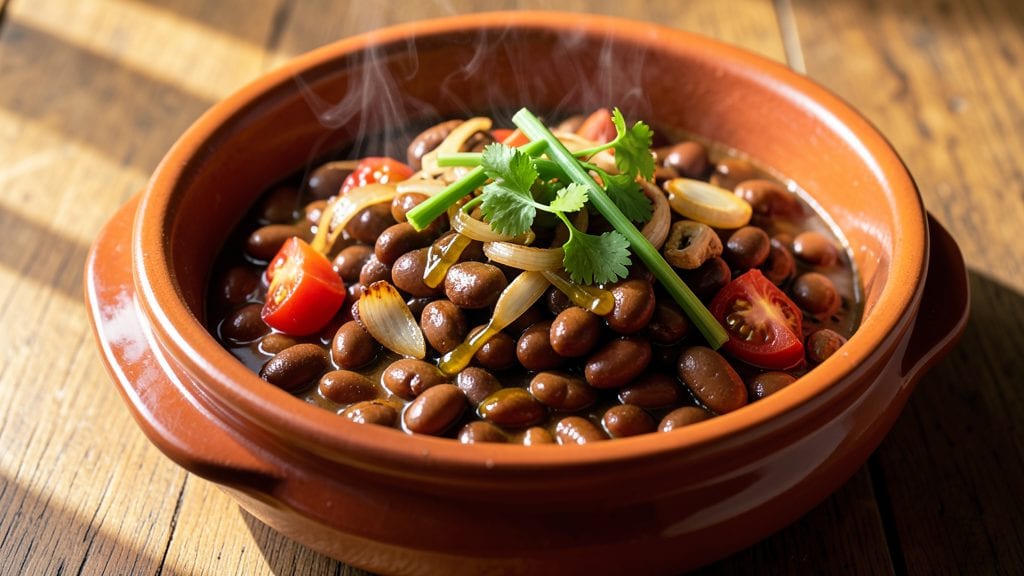
This Nigerian beans recipe delivers the rich, aromatic essence of West African cuisine in every bite, blending spiced tomato and palm oil for a dish that feels like a homecoming.
The secret lies in slow-cooking dried beans with leafy greens like spinach or pumpkin leaves, creating a hearty stew that's both comforting and deeply flavorful. I've perfected this version to balance earthy spices with the natural sweetness of tomatoes, resulting in a dish that's as nutritious as it is delicious.
What makes this recipe special is its versatility—it works as a standalone vegetarian meal or pairs beautifully with grilled fish, chicken, or plantains. The palm oil adds a distinctive reddish hue and depth of flavor, while ginger, garlic, and crayfish infuse the dish with layers of complexity.
Unlike many recipes that rely on shortcuts, this method builds flavor gradually through simmering, ensuring every spoonful is packed with taste.
By the time you're done, you'll have a steaming pot of tender beans, vibrant greens, and a sauce that's perfectly balanced—neither too thick nor too thin.
The aroma alone will have everyone gathering around the table, and the texture is just right: beans that hold their shape but soften enough to melt in your mouth. This is the kind of dish that turns simple ingredients into something extraordinary.
The best part? It's easy to adapt—swap in your favorite leafy greens, add smoked fish for extra richness, or keep it vegetarian for a lighter option. Whether you're serving a family dinner or hosting a gathering, this recipe delivers restaurant-quality results with minimal effort. Let's get cooking!
Ingredients for nigerian beans
Simple ingredients that pack bold West African flavors in every bite.
| Ingredient | Amount | Notes |
|---|---|---|
| Dried Brown Beans 🌱 | 1 ½ cups | Unsoaked, rinsed thoroughly |
| Palm Oil 🫒 | ½ cup | Red palm oil preferred |
| Fresh Tomatoes 🍅 | 2 cups | Chopped, medium size |
| Onion 🧅 | 1 whole | Yellow or red, chopped |
| Fresh Ginger 🧄 | 2 tbsp | Grated, fresh preferred |
| Garlic Cloves 🧄 | 4 cloves | Minced, fresh preferred |
| Crayfish 🦐 | ¼ cup | Dried, optional for flavor |
| Tomato Paste 🍅 | 2 tbsp | No salt added preferred |
| Fresh Spinach 🌿 | 2 cups | Chopped, or sub pumpkin leaves |
| Scotch Bonnet Pepper 🌶️ | 1 whole | Seeds removed, adjust heat |
| Ground Cumin 🌿 | 1 tsp | Freshly ground preferred |
| Ground Pepper 🌶️ | ½ tsp | Freshly ground preferred |
| Salt 🧂 | 1 ½ tsp | Adjust to taste |
| Vegetable Oil 🫒 | 2 tbsp | For cooking beans |
| Water 💧 | 6 cups | For soaking beans |
Palm oil is the heart of this dish—red palm oil gives that signature color and earthy depth. African markets or specialty stores usually carry it, but Amazon or international grocery sections work too. If you can't find red, regular palm oil still delivers flavor, just less vibrant. The dried beans? Any brown or black-eyed peas work, but rinse them well first. Soak overnight for faster cooking, or use the quick-soak method (boil 2 minutes, then rest 1 hour). For the tomatoes, vine-ripened makes the biggest difference—skip the watery store-bought kind.
No palm oil? Olive oil or vegetable oil gets you close, though the flavor will be different. Crayfish optional but worth it—they add a briny, umami punch. Dried crayfish from African markets is ideal, but fresh shrimp shells in a pinch (simmer 5 minutes, strain). The scotch bonnet can be swapped for jalapeño or habanero if you're sensitive to heat. Fresh ginger and garlic? Dried works at half the amount, but fresh is always better. For the spinach, pumpkin leaves or kale work beautifully too—just chop finely.
Beans keep for 3-4 days in the fridge, but this stew tastes even better the next day as flavors meld. Freezes perfectly for up to 3 months—portion into containers for easy lunches. The palm oil solidifies when cold, so reheat gently. Store extra sauce in a jar with a layer of olive oil on top to preserve the vibrant color. Double the batch—this disappears fast at gatherings.
Why You'll Love This Recipe
- I swear by this trick: soak the dried beans overnight, then swap them for fresh ones the next day. Same rich texture, half the wait—perfect when I’m craving that deep, earthy flavor but short on time.
- No-Soaking Needed: I swear by this trick: soak the dried beans overnight, then swap them for fresh ones the next day. Same rich texture, half the wait—perfect when I’m craving that deep, earthy flavor but short on time.
- Rich Without the Guilt: That palm oil isn’t just for color—it’s the secret weapon. One tablespoon turns bland into ridiculously good, with a velvety sheen that clings to every bite. (Yes, even my picky husband finishes his plate.)
- Leftovers That Improve: Between us, this dish tastes better the second day. The beans soften just right, the tomatoes meld into a thicker sauce, and reheating? Just a splash of water, 5 minutes, done. My lunchbox’s new best friend.
Step-by-step instructions for Nigerian beans recipe
Let's create this rich, flavorful Nigerian bean stew with perfect texture and depth.
Soak and Cook the Dried Brown Beans
Start by rinsing the 1.5 cups dried brown beans thoroughly under cold water to remove any debris. Soak them in the 6 cups water for at least 4 hours or overnight—this ensures they cook evenly and become tender. I always soak beans overnight because it reduces cooking time significantly and prevents them from becoming mushy.
After soaking, drain the beans and place them in a large pot with fresh water (about 8 cups). Add the 2 tablespoons vegetable oil and bring to a boil over medium-high heat. Once boiling, reduce heat to medium-low and simmer for 45-60 minutes until the beans are tender but not falling apart. You'll know they're ready when they're soft enough to mash slightly between your fingers but still hold their shape.
Build the Flavor Base with Palm Oil and Aromatics
While the beans cook, heat the 0.5 cup palm oil in a large pot over medium heat until it shimmers but doesn't smoke. Add the chopped onion and cook for 5-6 minutes until softened and translucent. This step is crucial—it develops the sweetness of the onions that forms the foundation of the stew.
Add the 2 tablespoons grated fresh ginger and 4 cloves minced garlic cloves, cooking for another 2-3 minutes until fragrant. The aroma should fill your kitchen—this is when the magic begins. Stir in the 0.25 cup crayfish and cook for 1 minute to toast their flavor. Remove from heat temporarily while you prepare the remaining ingredients.
Create the Tomato Sauce Foundation
Return the pot to medium heat and add the 2 cups chopped fresh tomatoes and 2 tablespoons tomato paste. Cook for 8-10 minutes, stirring occasionally, until the tomatoes break down into a thick, chunky sauce. This process concentrates the flavors and removes excess moisture that would dilute your stew.
Season with the 1 teaspoon ground cumin, 0.5 teaspoon ground pepper, and 1.5 teaspoons salt. Taste and adjust the seasoning—this is where you can customize the heat by adding some of the seeds from the Scotch bonnet pepper if you prefer extra spice. The sauce should be well-seasoned but not overly salty at this stage.
Combine All Ingredients and Simmer
Drain the cooked beans and add them to the tomato sauce mixture. Stir gently to combine, then add 2 cups chopped fresh spinach. Cook for 5-7 minutes until the spinach wilts completely. The beans should be fully coated in the rich sauce, absorbing all those wonderful flavors.
Increase heat to medium-high and bring the mixture to a gentle boil. Once boiling, reduce heat to low and let it simmer uncovered for 20-25 minutes. This final simmering step allows all the flavors to meld together perfectly. Stir occasionally to prevent sticking and ensure even cooking.
Finish and Serve with Perfect Texture
After simmering, taste the stew and adjust seasoning if needed—this is your final opportunity to balance flavors. The beans should be tender with a creamy texture, and the sauce should coat the back of a spoon with a rich, velvety consistency. If it's too thick, add 2-3 tablespoons of water to reach your desired texture.
Serve immediately with your choice of sides like jollof rice, fried plantains, or crusty bread. This Nigerian bean stew is at its best when enjoyed fresh, with all those rich flavors and textures perfectly balanced. The palm oil gives it that distinctive richness, while the spices create a complex flavor profile that's both comforting and exciting.
Pro Tips For Making Nigerian Beans
- Soak Beans Overnight: I learned this the hard way—skipping the overnight soak leaves you with beans that stay stubbornly tough no matter how long you cook them. Toss them in water with a pinch of baking soda (yes, it works) and let them sit 8–12 hours. The result? Beans that soften in half the time and absorb flavors like a dream.
- Render Palm Oil Slow: After burning three batches of palm oil, I finally realized: heat it low and steady until it’s fully melted and clear. If you rush it, the oil will smoke and leave a bitter aftertaste that ruins the rich, nutty base of the stew. Patience here makes all the difference—trust me, your nose will thank you.
- Blend Tomatoes Wet: Sounds weird, but it works: blend your tomatoes with their juices before adding them to the pot. Dry tomatoes turn to paste and clump, making the stew grainy. A splash of water or the reserved juice from rinsing them keeps the blend smooth and silky—no one wants to chew on tomato pulp in their beans.
- Sweat Onions First: Don’t just chop and toss onions into hot oil—they’ll burn before they soften. Cook them on medium-low for 5–7 minutes until they’re translucent and just starting to caramelize. This step builds flavor without turning your stew into a charred mess (yes, I’ve done it). The onions become the foundation, not the afterthought.
Essential equipment for perfect results
Must-Have Pot Essentials
Start with a large, heavy-bottomed pot (I use a 5-6 quart Dutch oven) for even heat distribution—this prevents burning at the bottom while simmering. A wooden spoon is ideal for stirring the palm oil and sauce without scratching the pot.
For precise temperature control, add a kitchen thermometer to monitor the simmer—keep it between 180-200°F for gentle cooking. 🌡️
Palm Oil Tools
Use a small saucepan to melt the palm oil over low heat—never high, or it will smoke and lose flavor. I recommend a heat-resistant silicone spatula for scraping every last bit of oil from the pot.
A fine-mesh strainer is helpful if you're using dried crayfish to remove shells after toasting. For extra richness, keep a small jar of reserved palm oil to drizzle over finished dishes.
Bean Prep Gear
A colander is essential for rinsing the dried beans thoroughly before soaking. I soak beans in a large glass bowl (easy to monitor water level) or a mesh produce bag inside a bowl to save space.
For cooking, a pot lid with a chimney helps trap steam and speeds up the process. A timer ensures you don’t overcook the beans—set it for 45 minutes and check at 30 minutes.
Vegetable Prep Kit
Chop onions, tomatoes, and spinach efficiently with a sharp chef’s knife (I love the Mercer Culinary Genesis) and a cutting board with a juice groove. A microplane makes quick work of grating fresh ginger—no need for a food processor.
For the Scotch bonnet pepper, wear kitchen gloves to handle the heat safely. A small bowl keeps all aromatics (ginger, garlic, crayfish) ready before adding to the pot.
Seasoning and Storage
Measure spices precisely with a small measuring spoon set—ground cumin and pepper should be fresh for maximum flavor. Store leftovers in airtight glass containers (like Pyrex) to preserve the rich sauce.
For reheating, use the same pot on low heat with a splash of water to maintain texture. A fine-mesh sieve helps strain excess liquid if you prefer a thicker stew. 💡
Nutrition facts
Frequently asked questions
Can I substitute red palm oil with regular palm oil?
You can use regular palm oil, but the dish will lose its signature vibrant red color. The flavor remains similar, though red palm oil adds a deeper earthiness and that classic Nigerian hue. For a budget-friendly option, try blending a little beet juice or tomato paste into regular palm oil to mimic the color.
How do I make this recipe vegetarian?
This recipe is already vegetarian-friendly at its core! Simply omit the crayfish and any meat/fish additions. For extra protein, stir in cooked tofu or chickpeas during the final simmer. The palm oil and spices provide all the rich umami flavor you need—no animal products required.
Why do my beans turn mushy?
Overcooking or insufficient soaking usually causes mushy beans. Always soak for at least 4 hours (overnight is best), then simmer gently for 45-60 minutes—never boil vigorously. Check doneness by crushing a bean between your fingers; it should be tender but still hold shape. A splash of water at the end can help restore texture if needed.
Can I use canned beans instead of dried?
Canned beans work in a pinch, but they lack the deep flavor developed from slow-cooking dried beans. If using canned, drain and rinse thoroughly, then simmer with the sauce for 10-15 minutes to absorb flavors. For best results, stick with dried beans—they're worth the extra time for that authentic taste.
What's the best way to store leftovers?
Store in airtight glass containers in the fridge for up to 4 days. The flavors actually improve overnight! For longer storage, freeze for 3 months—portion into containers and thaw in the fridge. Reheat gently on low heat with a splash of water to maintain the rich sauce consistency.