
Beverages
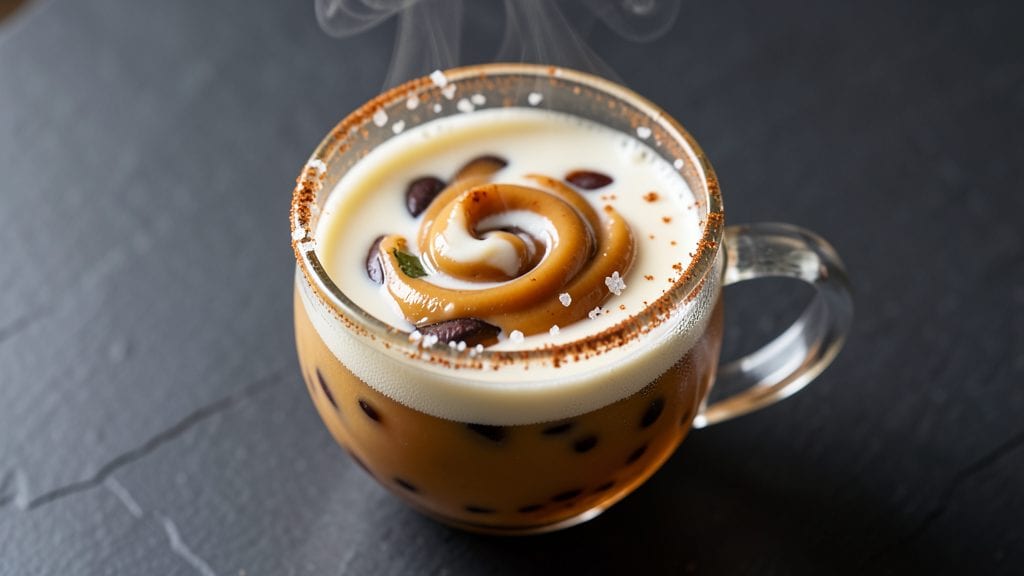
This mung bean milk tea recipe delivers the perfect balance of nutty richness and velvety smoothness that makes it a standout in both traditional and modern tea menus.
The process starts with carefully soaking and cooking mung beans to unlock their natural sweetness and creaminess, creating a foundation that transforms ordinary milk tea into something extraordinary.
What sets this apart is the ability to customize it—whether you prefer a lighter, tea-forward version or a richer, milky twist, the base remains consistently delicious.
The beauty of this recipe lies in its simplicity and versatility. With just a few key ingredients—mung beans, milk, tea, and a touch of sweetener—you can achieve a beverage that feels both comforting and sophisticated.
The mung beans develop a subtle toasted flavor when cooked, while the milk and tea blend together to create a texture that’s silky yet satisfying. This makes it ideal for anyone looking to enjoy a warm, creamy drink without dairy, while still delivering that familiar indulgence.
What you’ll end up with is a glass of golden-hued milk tea that’s fragrant with warm spices and sweetened just enough to balance the earthy notes of the mung beans. The result is a drink that’s smooth enough to sip slowly or enjoy quickly, depending on your mood.
Whether you’re serving it as a refreshing afternoon pick-me-up or a cozy evening treat, this recipe guarantees a cup that’s both nourishing and delightful.
For those who love experimenting, you can easily adapt this recipe by adding flavors like vanilla, cinnamon, or even a hint of floral tea for a modern twist. The possibilities are endless, but the core technique remains foolproof—so you can focus on enjoying the process and the delicious outcome.
Let’s get started on creating your perfect cup.
Ingredients for mung bean milk tea
Just 11 ingredients transform simple mung beans into velvety, nutty milk tea perfection.
| Ingredient | Amount | Notes |
|---|---|---|
| Mung Beans 🌾 | 1 cup | Unsoaked, rinsed thoroughly |
| Unsweetened Almond Milk 🥛 | 4 cups | Full-fat for creaminess |
| Black Tea Bags 🍵 | 4 whole | Loose leaf preferred |
| Granulated Coconut Sugar 🍯 | ¼ cup | Or maple syrup for liquid sweetener |
| Vanilla Extract 🌸 | 1 tsp | Pure vanilla for aroma |
| Ground Cinnamon 🌿 | ½ tsp | Freshly ground preferred |
| Coconut Oil 🫒 | 1 tbsp | For toasting mung beans |
| Filtered Water 💧 | 4 cups | For soaking and steeping |
| Sea Salt 🧂 | ¼ tsp | Fine grain for balance |
| Lemon Juice 🍋 | 1 tbsp | Freshly squeezed |
| Optional Vanilla Bean 🌸 | 1 whole | Split for seeds and pod |
The mung beans are the star here—look for organic or sprouted varieties at Whole Foods or Trader Joe's for the best flavor. Soaking them overnight isn't mandatory, but it cuts cooking time dramatically. For a richer texture, toast them lightly in coconut oil before cooking—this brings out their natural nuttiness. I always double-check the brand of almond milk; Silk or Califa full-fat versions give the creamiest results without dairy. If you can't find vanilla extract, vanilla bean paste works wonders (just scrape the seeds into the mix).
No almond milk? Oat milk or cashew milk are great swaps—just add a splash of water to thin if too thick. Running short on coconut sugar? Maple syrup or agave work perfectly (adjust to taste). The tea bags can be any black tea—Earl Grey or Assam add lovely depth. Want extra richness? Add 1 tbsp tahini at the end for a nutty twist. For a lighter version, reduce the milk to 3 cups and add an extra tea bag. The lemon juice is key—it brightens all the flavors without overpowering.
This tea keeps beautifully—store the cooked mung bean base in the fridge for up to 5 days and reheat with fresh milk and tea. For single servings, freeze the base in ice cube trays. The vanilla and cinnamon flavors intensify after 24 hours, so making a big batch is worth it. I like to pre-mix the dry ingredients (coconut sugar, cinnamon, salt) in a jar so it's ready whenever I want a quick cup. Just add hot milk and stir—no fuss!
Why You'll Love This Recipe
- No Blender Needed: I’ll admit, I was skeptical at first—no fancy appliances? But soaking the mung beans overnight and simmering them with almond milk is that simple. No pulsing, no straining, just gentle heat and 10 minutes of hands-off time.
- Velvet Creaminess: That first sip—warm, nutty, and just sweet enough—is what makes this a daily habit. The almond milk smooths out the earthy mung beans while the vanilla and coconut sugar add a cozy depth. Honestly, it’s the kind of drink that makes me pause mid-morning.
- Office or Picnic: Between us, this is my go-to for any gathering. Make a big batch on Sunday, and you’ve got a refreshing drink for work lunches, potlucks, or even a lazy afternoon with friends. The tea stays strong in the fridge for days, and the beans keep their texture.
- Budget-Friendly Luxury: Mung beans are cheaper than most nuts, and almond milk stretches further than store-bought creamer. I’ve made this for under $2 per serving—yet it tastes like a café treat. Plus, the leftovers? Even better the next day.
Step-by-step instructions for mung bean milk tea
Here's how to create this nutty, creamy delight with silky smoothness every time.
Toast and Soak the Mung Beans
Start by rinsing the 1 cup Mung Beans thoroughly under cold water until the water runs clear. This removes any dust or impurities that could affect the flavor. In a small saucepan, melt the 1 tbsp Coconut Oil over medium heat, then add the rinsed mung beans. Toast them for 3-4 minutes, stirring constantly, until they develop a light golden color and smell nutty.
Remove from heat immediately and transfer the toasted beans to a large bowl. Pour in 4 cups Filtered Water and let them soak for at least 8 hours or overnight in the refrigerator. This long soak time is crucial—it softens the beans completely so they blend smoothly without any gritty texture. You'll know they're ready when they're pliable and no longer resistant to gentle pressure between your fingers.
Blend the Mung Bean Base
After soaking, drain the mung beans and transfer them to a high-speed blender. Add 4 cups Unsweetened Almond Milk and blend on high for 1-2 minutes until completely smooth. The mixture should be completely free of any lumps or graininess. If you notice any resistance, add 2-3 tablespoons of the soaking water to help the blending process.
This is where the magic happens—the almond milk combines with the toasted mung beans to create a naturally creamy base. Taste a small spoonful at this stage—it should have a mild, nutty flavor with no bitterness. If you used the optional 1 whole Vanilla Bean, split it open and scrape the seeds into the blender now for added depth of flavor.
Prepare the Tea Infusion
In a separate saucepan, combine 4 cups Filtered Water with the 4 whole Black Tea Bags. Bring to a boil over high heat, then immediately reduce to medium-low heat and let steep for 5-7 minutes. Remove the tea bags and discard them. Stir in the 0.25 cup Granulated Coconut Sugar and 0.5 tsp Ground Cinnamon, whisking until completely dissolved. Add the 1 tbsp Lemon Juice and 0.25 tsp Sea Salt, then let the mixture cool to room temperature.
The tea should have a rich, aromatic quality with a perfect balance of sweetness and subtle tartness from the lemon. If you prefer a stronger tea flavor, you can increase the steeping time by 1-2 minutes, but don't exceed 8 minutes or it will become bitter. This infusion will serve as the flavorful liquid base for your milk tea.
Combine and Flavor the Milk Tea
Once both the mung bean mixture and tea infusion have cooled to room temperature, pour the mung bean blend into the saucepan with the tea. Stir in the 1 tsp Vanilla Extract and let the entire mixture heat gently over low heat for 3-4 minutes, just until it reaches a serving temperature of about 160°F. This gentle warming helps all the flavors meld together beautifully.
Taste and adjust the sweetness if needed—you can add more granulated coconut sugar if it needs to be sweeter, or a splash more lemon juice if you want more brightness. The final texture should be velvety smooth with a pleasant nutty undertone from the mung beans. If you notice any separation, simply whisk vigorously for 30 seconds to restore the creamy consistency.
Serve and Enjoy Immediately
Pour the finished milk tea into glasses filled with ice cubes. You'll want to serve it immediately while it's still cold and frothy. The contrast between the warm spices and the cool temperature creates a truly satisfying experience. Garnish each serving with a sprinkle of ground cinnamon and a few drops of vanilla extract for an elegant touch.
This drink keeps well in the refrigerator for up to 3 days, but I find it's best enjoyed fresh. The flavors develop and intensify as it sits, so if you make a large batch, consider reheating gently before serving again. Each sip should deliver that perfect balance of nutty mung bean richness, creamy almond milk texture, and the comforting warmth of cinnamon and vanilla.
Pro Tips For Making Mung Bean Milk Tea
- SOAK BEANS OVERNIGHT: I learned this the hard way—rushing the soak means gummy, uneven texture. Toss ½ cup mung beans in 4 cups cold water with a pinch of salt, cover, and let sit 12+ hours. The longer they soak, the creamier your milk tea will be, no matter how impatient you are.
- STRAIN TWICE, RINSE WELL: After draining soaked beans, give them a quick rinse under cold water, then strain again through a fine-mesh sieve. This removes excess starch that’ll make your drink cloudy or slimy—trust me, your future self will notice the difference.
- BOIL BEANS LOW AND SLOW: Simmer the drained beans in 3 cups fresh water on medium-low heat until they’re tender but not mushy—about 20-25 minutes. High heat turns them gritty; low and steady keeps them silky. Stir occasionally to prevent sticking (yes, even if you’re distracted).
- SWEETEN WHILE HOT, STIR VIGOROUSLY: Add coconut sugar and vanilla after removing tea bags, while the liquid is still hot. Stir like you’re mixing a cocktail—this dissolves the sugar completely and lets the vanilla bloom. Cold liquid? The sugar will just sink to the bottom like a sad little island.
Perfect pairings for these flavors
Classic Tea Pairings
For a traditional approach, pair your mung bean milk tea with jasmine green tea or Earl Grey—both complement the nutty depth beautifully. I often steep 2 bags of jasmine tea for 3 minutes alongside the black tea infusion to add floral notes.
The delicate aroma enhances the mung bean's natural sweetness without overpowering it. For a modern twist, try matcha powder (½ tsp) blended into the final mixture for an earthy, vibrant green hue. 🍵
Creamy Dessert Pairings
This tea's velvety texture makes it an ideal match for light desserts. Serve with steamed red bean buns (mooncakes) or mochi ice cream—the chewy texture contrasts perfectly with the drink's smoothness.
I also love pairing it with coconut pudding made from Silk coconut milk and agave syrup. The tropical flavors create a harmonious balance with the tea's nutty undertones.
Spiced Snack Pairings
For a savory contrast, offer warm churros dusted with cinnamon sugar or fried dough bites with tahini drizzle. The crispy texture and warm spices mirror the tea's cinnamon and vanilla notes.
I keep a batch of homemade almond cookies on hand—their buttery richness pairs surprisingly well with the tea's earthy mung bean base. These pairings elevate the drink from a simple beverage to a full sensory experience. 🌟
Modern Beverage Pairings
For a contemporary twist, serve alongside sparkling lemonade (mix ½ cup fresh lemon juice with 4 cups sparkling water and 2 tbsp honey)—the effervescence cuts through the tea's richness. I also enjoy pairing it with chilled hibiscus iced tea for a vibrant color contrast and tart balance.
For a boozy option, add 1 oz vanilla-infused vodka to the final mixture and serve over ice with a cinnamon stick garnish.
Seasonal Adaptations
In summer, serve this tea chilled with fresh mint leaves and lime wedges for a refreshing twist. For autumn, warm it gently and top with candied pecans for a cozy, spiced flavor profile.
Winter calls for a ginger-infused version—simmer 1 tbsp fresh grated ginger with the tea infusion to add warmth. Each seasonal adaptation keeps the tea's core flavors intact while aligning with the weather. ❄️
Cultural Pairings
In Taiwanese-style cafés, this tea is often paired with bubble tea pearls or cheese foam for a playful texture contrast. For a Japanese-inspired touch, serve with matcha-flavored mochi or red bean paste-filled pastries.
In Korean cafés, it's commonly paired with honey butter chips—the sweetness complements the tea's nutty depth. These cultural pairings add depth to your tea experience while staying true to the drink's origins. 🗺️
Nutrition facts
Frequently asked questions
Why do I need to toast the mung beans before soaking?
Toasting enhances their natural nutty flavor and prevents bitterness. The 3-4 minute toast in coconut oil develops a subtle caramelized aroma that blends beautifully with the tea. Skipping this step can leave your drink tasting flat or overly earthy.
Can I make this recipe without almond milk?
Use oat milk or cashew milk for creaminess, but thin with 2 tbsp water if too thick. For a richer texture, blend ½ cup tahini into the final mixture. The key is achieving that velvety consistency—just adjust liquid ratios to taste.
How do I fix graininess if my mung bean milk tea turns out chunky?
Blend the soaked beans with extra soaking water (2-3 tbsp) or almond milk until completely smooth. For stubborn lumps, strain through a fine-mesh sieve before combining with tea. Always use a high-speed blender—this is the most common issue when blending isn't thorough enough.
Is this drink naturally sweetened? Can I reduce sugar?
The toasted mung beans develop natural sweetness, but the recipe includes ¼ cup coconut sugar for balance. For less sweetness, reduce to 2 tbsp or use monk fruit sweetener. The lemon juice and salt help enhance perceived sweetness, so you can often reduce sugar by 30% without sacrificing flavor.
Can I make this ahead of time?
Yes! Store the cooked mung bean base in an airtight container in the fridge for 5 days. When ready to serve, reheat with fresh tea infusion and milk. For iced versions, freeze the base in ice cube trays—just add hot water to thaw quickly. The flavors actually deepen over time, making it perfect for batch prep.