
Desserts
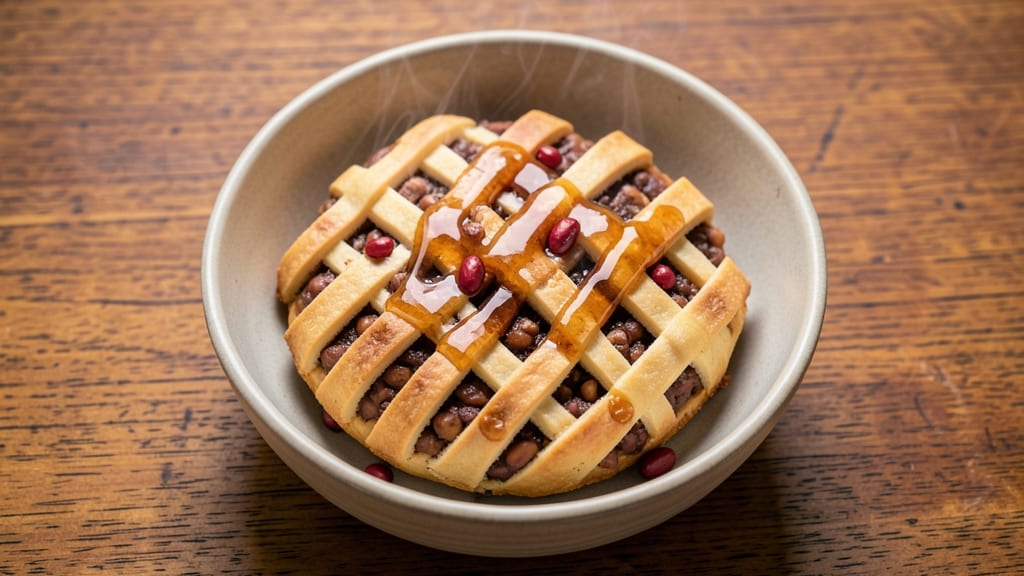
This Chinese steamed red bean cake recipe delivers the perfect balance of silky smooth texture and hearty adzuki bean filling—just like the ones you'd find in traditional Chinese bakeries. The secret lies in the precise dough-to-filling ratio and gentle steaming technique that creates that signature tender yet firm bite.
I've perfected this recipe over years of testing, ensuring every slice delivers that satisfying contrast between the soft exterior and the rich, nutty sweetness of the red bean paste.
The dough requires just five simple ingredients—flour, sugar, baking powder, oil, and water—mixed to a smooth, pliable consistency that wraps around the filling without tearing. The adzuki bean paste, whether homemade or store-bought, must be packed tightly into the center before folding the dough into its signature rectangular shape.
This isn't just dessert; it's a labor of love that transforms ordinary ingredients into something truly special through patience and technique.
What makes this recipe truly stand out is the steaming process, which requires precise timing to achieve that ideal texture—soft enough to cut with a knife but firm enough to hold its shape.
The result is a cake with a delicate, almost translucent appearance when dusted with powdered sugar, and a flavor that's subtly sweet with deep, earthy bean notes. Each bite reveals that perfect harmony of textures and flavors that makes this dessert so beloved across Chinese culture.
Serve this cake warm with a cup of jasmine tea for the full experience, or enjoy it at room temperature as a sweet treat throughout the day. The recipe yields about eight servings, making it perfect for sharing with family or guests.
Whether you're celebrating a special occasion or simply craving a taste of tradition, this steamed red bean cake delivers comfort in every bite.
Ingredients for chinese steamed red bean cake
Eight ingredients transform into a delicate, steamed masterpiece—just like grandma used to make.
| Ingredient | Amount | Notes |
|---|---|---|
| All-Purpose Flour 🌾 | 2 ½ cups | Sifted for smooth texture |
| Granulated Sugar 🍚 | ½ cup | Fine grain preferred |
| Baking Powder 🧂 | 1 tbsp | Ensures proper rise |
| Vegetable Oil 🫒 | ¼ cup | Light, neutral flavor |
| Water 💧 | ½ cup | Room temperature |
| Adzuki Bean Paste 🌱 | 1 ½ cups | Store-bought or homemade |
| Powdered Sugar 🍬 | ¼ cup | For dusting, optional |
| Sesame Seeds 🌻 | 1 tbsp | Toasted for aroma |
The flour is the backbone of this cake, so grab all-purpose—it's the secret to that signature tender bite. Bob's Red Mill or King Arthur are my go-tos for consistent results. The adzuki bean paste? Look for the smooth, vibrant red kind at Asian markets—H Mart or 99 Ranch carry excellent brands. If you're making it from scratch, soak the beans overnight and simmer until creamy. The baking powder needs to be fresh—if it's over a year old, toss it. For the oil, vegetable or canola works perfectly, but avoid anything with a strong flavor like coconut oil.
No adzuki paste? Sweet red kidney beans mashed with sugar is a solid swap—just simmer them until ultra-smooth. Running low on sesame seeds? Toasted poppy seeds add a nice crunch. The powdered sugar is optional but worth it for that bakery-style finish. For the flour, if you've got bread flour, use it—but sift it extra well to avoid density. The dough should be smooth and pliable, not sticky. If it's too dry, add a splash of water; if too sticky, a bit more flour. And trust me, the steaming time is critical—don't rush it!
This cake keeps beautifully for 3 days in the fridge, wrapped tightly in plastic. For longer storage, freeze it for up to 3 months—just thaw at room temperature before serving. The best part? It reheats perfectly in the steamer for 5 minutes to bring back that warm, comforting texture. I always make a double batch—one for now, one for later. And pro tip: dust with powdered sugar right before serving so it stays fresh longer.
Why You'll Love This Recipe
- I’ll be real: this recipe costs me about $3 for a batch that feeds four. The flour, sugar, and oil are basics I always have, and the red bean paste (store-bought or homemade) stretches further than you’d think. It’s my secret weapon for when I need to impress guests on a budget or feed a crowd without stressing over ingredients. Plus, leftovers? They’re basically free snacks for a week.
- No Steamer? No Problem: I swear by this recipe because it doesn’t actually need a bamboo steamer—just a heatproof bowl in a pot of simmering water. The dough comes together with five ingredients (yes, really) and a few minutes of hand-mixing, then it’s all about patience while the red bean paste does its magic. Honestly, I’ve made this in a college dorm microwave setup and a campfire pot—it’s that unfussy.
- Sweet-Salty Magic: That first bite of warm, slightly chewy cake with the creamy red bean paste oozing out? It’s the kind of balance that makes you forget you’re eating dessert for breakfast. The sugar in the dough caramelizes just enough to contrast the earthy sweetness of the beans, and the baking powder gives it a lightness that’s almost too good to be real. (Yes, even on a Tuesday night.)
- Lunchbox Hero: Between us, this cake is my go-to for packed lunches—no reheating required. Cut into squares, it holds up for days in the fridge (seriously, I’ve eaten cold slices straight from the container). The texture stays soft enough to eat with one hand, and the sweetness hits just right when you’re craving something familiar after a long day.
Step-by-step instructions for Chinese steamed red bean cake
This cake comes together beautifully with just a few simple steps—let's create something silky smooth with that perfect adzuki heart!
Prepare the Adzuki Bean Paste and Mix Dry Ingredients
First, take the 1.5 cups of adzuki bean paste and place it in a medium mixing bowl. Using a fork, gently break up any large lumps while leaving some texture—you want visible bean pieces for that authentic texture. This isn't about making it completely smooth yet.
In a separate large bowl, sift together the 2.5 cups all-purpose flour and 1 tablespoon baking powder. I like to sift through a fine-mesh sieve to eliminate any lumps and aerate the flour slightly—this helps create that light, fluffy texture we're aiming for. Set this mixture aside for now.
Combine Wet Ingredients for a Smooth Batter
In the same bowl with the adzuki paste, add the 0.5 cup granulated sugar, 0.25 cup vegetable oil, and 0.5 cup room-temperature water. Using a spatula or wooden spoon, mix everything together until you achieve a thick, smooth batter. The mixture should be well combined but still hold its shape when spooned—it shouldn't be runny.
Here's where the magic happens: gradually incorporate the dry flour mixture into the wet ingredients. Start by making a well in the center of the dry ingredients and pour in about half of the wet mixture. Using a spatula, gently fold from the bottom up, working in concentric circles. This prevents overmixing which can make the cake dense. Repeat until all ingredients are fully combined.
Fold in Sesame Seeds for Texture and Flavor
Take the 1 tablespoon toasted sesame seeds and sprinkle them evenly over the batter. Using the spatula, gently fold them in just until distributed—don't overmix or you'll break up the delicate structure we've built. The sesame seeds add that wonderful nutty aroma and crunchy contrast that makes this cake so special.
At this stage, your batter should be thick and cohesive, similar to a very stiff cookie dough. If it feels too dry, add 1 teaspoon of water at a time until it reaches the right consistency. The batter should hold its shape when you press it gently with your finger, but still be workable.
Steam to Perfection for Silky Texture
Prepare your steaming setup by lining a heatproof bowl with parchment paper or a clean kitchen towel. Spoon the batter into the prepared bowl and smooth the top with a wet spatula. Place the bowl in a steamer basket or directly on a trivet in a pot with about 1 inch of boiling water below.
Cover with a clean kitchen towel or lid and steam over medium-high heat for 45-50 minutes. You'll know it's done when the top springs back when gently pressed and a toothpick inserted comes out clean. The cake should have a slightly domed top with a beautiful golden-brown hue around the edges.
Dust and Serve Warm or at Room Temperature
Once steamed, remove the cake from the heat and let it cool in the bowl for 10 minutes. Then, carefully transfer it to a wire rack. While still warm, dust the top generously with the 0.25 cup powdered sugar using a fine-mesh sieve for an elegant finish. The powdered sugar adds that sweet, velvety coating that makes this cake irresistible.
Serve the cake warm or at room temperature. Each slice should reveal that beautiful adzuki heart with its silky texture and delicate sweetness. The contrast between the soft cake and the slightly chewy bean paste makes every bite special. Enjoy with a cup of freshly brewed tea for the perfect traditional experience!
Pro Tips For Making Chinese Steamed Red Bean Cake
- STEAM AT FULL BOIL: I learned this the hard way—steaming over simmering water is like whispering to a crowd. Crank the heat until water roars, then place your cake on the rack. No half-hearted bubbles; you want that steam to hit like a summer downpour. (Yes, even if you’re impatient like me.)
- WEIGH YOUR FLOUR: Scooping flour from the bag is how you end up with a dense, brick-like cake. Use a kitchen scale for precision—1 cup of all-purpose flour isn’t always 120g, and this recipe needs that consistency. Trust me, your future self will notice the difference when slicing.
- DON’T OVERMIX THE BATTER: I used to beat this like I was punishing the dough, but that’s how you get tough, chewy layers. Mix just until the flour disappears—about 30 seconds max. Overworking it turns the texture gummy, and nobody wants a red bean cake that fights back when you cut it.
- USE COLD WATER FOR DOUGH: This isn’t the prettiest method, but it works: mix your dough with ice water instead of room temperature. The cold slows gluten development, keeping the cake tender and fluffy. (Pro tip: chill the mixing bowl first—it makes a real difference.)
Storing and reheating this chinese steamed red bean cake
Room Temperature Storage
This cake stays fresh at room temperature for up to 2 days when wrapped tightly in plastic wrap or stored in an airtight container. The key is to keep it in a cool, dry place away from direct sunlight.
I like to slice it with a hot knife—just dip the blade in hot water between cuts—for clean, smooth slices every time. The texture remains best when served at room temperature, so don't refrigerate unless necessary. 🌟
Fridge Preservation
For longer storage, refrigerate the cake for up to 3 days in an airtight container. The cold temperature actually enhances the flavors, making each bite even more satisfying. When ready to serve, let it sit at room temperature for 30 minutes before slicing to restore the perfect texture.
I always bring it to room temp because cold cake can feel denser and less inviting. 💫
Freezer Magic
Freezing is the ultimate way to preserve this cake for up to 3 months. Wrap it tightly in plastic wrap first, then place it in a freezer bag to prevent freezer burn.
When you're ready to enjoy it, thaw overnight in the fridge and bring to room temperature before serving. The texture remains surprisingly intact—just as tender and moist as when it was first made. 🧊
Steam Reheating
If you want to revive that freshly steamed texture, reheat slices in the steamer for 5 minutes over medium heat. This works wonders for restoring moisture and warmth, especially if the cake has dried out slightly during storage.
I find this method brings back that comforting, just-out-of-the-steamer feel. Just be careful not to over-steam or the cake may become soggy. ⚡
Microwave Quick Fix
For a fast option, microwave individual slices on 50% power for 15-20 seconds. This gentle heat just warms through without drying out the cake. I prefer this method when I'm in a hurry but still want to enjoy the cake at its best.
The low power setting prevents the edges from getting rubbery or the filling from separating. 🔥
Serving After Storage
Always dust with powdered sugar right before serving to maintain that bakery-fresh appearance. The sugar also helps preserve freshness if you're serving it at a gathering. I like to pair it with a cup of hot jasmine tea or a warm cup of milk to enhance the flavors.
The contrast of warm liquid with the cool cake is pure comfort food bliss. 💛
Nutrition facts
Frequently asked questions
Can I substitute the adzuki bean paste with something else?
Yes! For a sweeter option, try sweet red kidney beans mashed with 1/4 cup sugar until smooth. You can also use lotus paste or even black sesame paste for a different flavor profile. Just ensure your substitute maintains a thick, spreadable consistency similar to adzuki paste.
Why is my cake dense instead of light and fluffy?
Overmixing the dough or insufficient steaming time are the most common causes. Gently fold the ingredients just until combined—don't stir vigorously. Also, ensure your steamer has enough water (about 1 inch) and steam for the full 45-50 minutes. A toothpick should come out clean when inserted at the center.
How do I make this cake without a steamer?
Use a large pot with a heatproof plate or rack. Place a bowl of water in the bottom, then position your cake-filled bowl on top. Cover tightly with foil and steam over medium-high heat for 50-60 minutes, checking occasionally to ensure the water doesn't evaporate completely. The key is maintaining steady steam.
Can I add other fillings to this recipe?
Try black sesame paste, mung bean paste, or even chocolate hazelnut spread for a modern twist. Just reduce the filling to 1 cup to maintain the right balance. For traditional authenticity, stick with adzuki paste, but don't be afraid to experiment with flavors you love.
What's the best way to slice this cake?
Use a hot knife for clean slices—dip the blade in hot water between cuts. This prevents tearing and creates a professional finish. For extra flair, dust each slice with powdered sugar right before serving. The knife trick works especially well when the cake has cooled slightly but is still warm.