
Sauces & Condiments
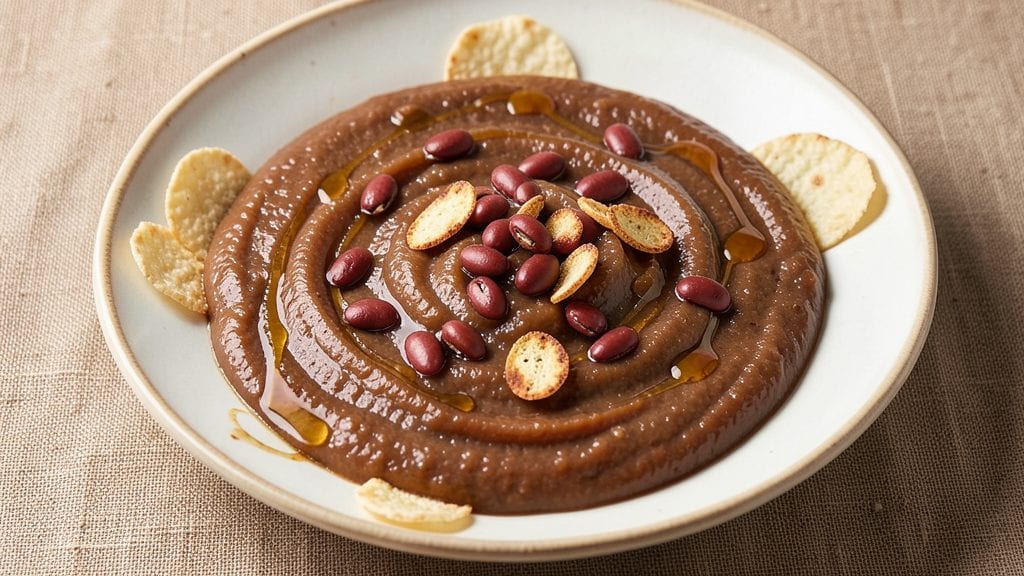
Creating a sweetened red bean paste recipe transforms simple ingredients into a velvety, silky spread that elevates desserts and dips to new heights. This traditional Japanese condiment, known as anko, blends tender adzuki beans with sugar for a perfect balance of sweetness and texture.
I’ve refined this recipe over years to ensure it’s foolproof—whether you’re filling mochi, stuffing buns, or drizzling over ice cream.
The process begins with soaking and simmering adzuki beans until they’re soft and creamy, then blending them into a smooth paste before sweetening to your preference. The key to success lies in controlling the sugar ratio and cooking time, which guarantees a spread that’s neither too runny nor too thick.
This method also includes sterilization steps for long-term storage, so you can enjoy homemade paste anytime.
What you’ll end up with is a luscious, vibrant paste that’s rich enough to stand alone or versatile enough to enhance other dishes. The texture is silky yet sturdy, holding its shape when piped or spread, while the sweetness is perfectly balanced—never cloying.
This isn’t just a condiment; it’s a game-changer for anyone who loves homemade treats with restaurant-quality depth.
Use it to fill daifuku mochi, stuff taiyaki pancakes, or swirl into matcha ice cream for a taste of Japan’s most beloved sweet traditions. Let’s get started—your pantry (and taste buds) will thank you.
Ingredients for sweetened red bean paste
Eight simple ingredients transform into a velvety, restaurant-quality red bean paste perfect for mochi and desserts.
| Ingredient | Amount | Notes |
|---|---|---|
| Adzuki Beans (dried) 🌾 | 1 ½ cups | Rinsed thoroughly before soaking |
| Granulated Sugar 🍚 | 1 ¼ cups | White or light brown preferred |
| Water 💧 | 4 cups | Filtered or dechlorinated preferred |
| Kombu Seaweed (dried) 🍃 | 1 piece | Cut into 2-inch strips |
| Mirin 🍶 | ¼ cup | Vegan mirin (no alcohol) |
| Rice Vinegar 🍋 | ¼ tbsp | White vinegar substitute |
| Vanilla Extract 🌸 | ½ tsp | Pure alcohol-free preferred |
| Salt 🧂 | ¼ tsp | Diamond Crystal kosher |
Adzuki beans are the heart of this recipe—Japanese adzuki from Asian markets have the best texture, but any dried variety works. Soak them overnight to soften, then simmer until creamy. The kombu seaweed adds subtle umami depth (skip if strictly vegan, but it’s worth it). Sugar is key here—light brown adds caramel notes, but white keeps it neutral. I always buy organic sugar to avoid gritty grains. For the water, filtered or bottled prevents cloudiness in the final paste.
No mirin? Substitute 1 tbsp sugar plus 1 tbsp water—it mimics the sweetness. Vinegar can be swapped for lemon juice at half the amount, but rice vinegar’s mild tang is ideal. Vanilla extract is optional but elevates the flavor—alcohol-free vanilla avoids any aftertaste. For a deeper red hue, simmer the beans slightly longer (10-15 extra minutes). If the paste feels too thick after blending, add 1 tsp water at a time until silky smooth.
Store in an airtight jar in the fridge for 3 weeks or freeze for 6 months. For sterilization, boil jars and lids for 10 minutes before filling. The paste thickens as it cools—stir well before using. Portion into small jars for easy use in mochi or ice cream toppings. Leftovers keep beautifully in the freezer for months, making this a pantry staple worth batching.
Why You'll Love This Recipe
- Four-Ingredient Magic: I swear by this combo—just beans, sugar, kombu, and mirin. No fancy tools, no stress. The kombu dissolves into the broth like a secret umami boost, and the mirin? That’s the flavor secret right there.
- Silky Smooth Payoff: The texture is chef’s kiss—creamy with just a hint of tooth, not gluey like some store-bought versions. Honestly, the slow simmer with sugar caramelizing into the beans turns this into something dangerously addictive.
- Leftover Goldmine: Make a big batch and thank me later. It keeps for weeks in the fridge, perfect for quick breakfasts, dessert toppings, or even stuffing into buns. My kids beg for it—no joke.
- Budget Sweetener: Adzuki beans are cheaper than most pantry staples, and a little kombu stretches the flavor. This is my go-to when I want something rich and satisfying without breaking the bank. (Yes, even on a Tuesday night.)
Step-by-step instructions for sweetened red bean paste
Here's how to transform simple ingredients into a velvety, sweet-spiced spread perfect for fillings, desserts, or dips.
Soak and Parboil the Adzuki Beans
Rinse the 1.5 cups adzuki beans thoroughly under cold water to remove any debris. Place them in a large bowl and cover with plenty of cold water—at least 2 inches above the beans. Let them soak for 8-12 hours at room temperature. This long soak ensures even cooking and prevents the beans from splitting during cooking.
After soaking, drain and transfer the beans to a large pot. Add 4 cups water and bring to a boil over high heat. Once boiling, immediately reduce heat to medium-low and simmer for 45 minutes. Stir occasionally to prevent sticking. The beans are ready when they're tender but not mushy, and the skins begin to split slightly. Drain well, reserving 1 cup of the cooking liquid for later use.
Simmer with Kombu and Seasonings
Return the drained beans to the pot and add the 1 piece kombu seaweed cut into strips, 0.25 cup mirin, 0.25 tbsp rice vinegar, 0.5 tsp vanilla extract, and 0.25 tsp salt. Stir gently to combine. Pour in 3 cups of fresh water (enough to just cover the beans) and bring to a gentle simmer over medium heat. Cover partially and cook for 1 hour, stirring every 15 minutes to prevent scorching.
During this time, the kombu will infuse the beans with subtle umami depth while the seasonings meld together. You'll notice the mixture becomes thicker as the beans break down further. The aroma should be sweet, slightly tangy, and earthy—this is your signal that the flavors are developing properly.
Cook Until Silky Smooth
Reduce the heat to low and continue cooking, uncovered, for another 30-45 minutes. Stir frequently to prevent sticking and add 1-2 tablespoons of the reserved bean liquid if the mixture becomes too thick. The paste is ready when it reaches a smooth, velvety consistency with no visible bean fragments. You can test this by mashing a small spoonful between your fingers—it should glide effortlessly with no resistance.
If the paste is still slightly grainy, transfer it to a food processor or blender and pulse until completely smooth. For an extra-silky texture, strain through a fine-mesh sieve to remove any remaining skins or kombu pieces. This step is optional but ensures a flawless, restaurant-quality finish.
Sweeten and Adjust Texture
Return the smooth paste to the pot and stir in the 1.25 cups granulated sugar gradually, allowing it to dissolve completely between each addition. Simmer gently over low heat for 5-7 minutes, stirring constantly, until the sugar is fully incorporated and the paste reaches your desired sweetness level. Taste and adjust with additional sugar if needed—this is where you can fine-tune the balance between sweet and savory.
The paste should now have a glossy sheen and coat the back of a spoon thickly. If it's too thick, thin with 1 tablespoon of water at a time until it reaches a spreadable consistency. For a glossier finish, press a piece of plastic wrap directly onto the surface while it cools—this prevents a skin from forming and keeps the texture silky.
Cool and Store Properly
Transfer the finished paste to a clean glass jar or airtight container. Let it cool completely at room temperature, then refrigerate for at least 4 hours before using. The paste will thicken as it cools, so you may need to thin it slightly with 1-2 teaspoons of water before spreading or using in recipes. This cooling step is crucial—it allows the flavors to fully meld and the texture to set properly.
When stored in the refrigerator, this sweetened red bean paste will keep for up to 2 weeks. For longer storage, transfer to a freezer-safe container and freeze for up to 3 months. Thaw in the refrigerator overnight before using. The paste is incredibly versatile—spread it on toast, fill it into mochi or pastries, or use it as a dip for fresh fruit or cookies.
Pro Tips For Making Sweetened Red Bean Paste
- Soak Beans Overnight: I learned this the hard way—rushing the soak leaves you with uneven texture and longer cook times. Toss dried adzuki beans in cold water for 8+ hours (or at least 4 hours if you’re in a hurry), then drain. The extra time guarantees they soften evenly and absorb flavors better.
- Simmer Kombu Low: Kombu adds depth, but high heat turns it bitter. Tear a 2-inch strip, add it to the pot after beans start boiling, then reduce to a bare simmer. Let it steep for 15 minutes before removing—this infuses the broth without overpowering the sweetness.
- Sweeten Gradually: Dumping all the sugar at once risks graininess. Start with half the sugar, stir until dissolved, then add the rest once beans are tender. This keeps the paste silky and prevents clumping—trust me, your future self will notice the difference.
- Strain Twice: After cooking, strain the beans through a fine-mesh sieve, then press them with a spoon to extract every last drop of liquid. For the final texture, push the paste through a tamis or even a clean kitchen towel tied into a pouch—this removes excess moisture and makes it spreadable. (Yes, it’s messy, but it’s worth it.)
Wine and beer pairings for this sweetened red bean paste
Light Japanese Sake
Pair your sweetened red bean paste with a dry, light-bodied Japanese sake like Hakkaisan Junmai Ginjo (15% ABV). Its crisp, clean finish with hints of citrus and melon complements the paste’s sweetness without overpowering it.
Serve slightly chilled (45-50°F) to enhance the refreshing contrast. This pairing is perfect for mochi or when using the paste as a dip. 🍶
Rice Wine (Huangjiu)
For a Chinese-inspired twist, try Shaoxing rice wine (yellow rice wine), which adds a warm, nutty depth. A 1-ounce pour alongside the paste enhances its umami notes, especially when used in stuffed buns or desserts. The wine’s subtle sweetness mirrors the paste’s flavor profile beautifully. 🍶
Green Tea Infusions
Skip alcohol entirely and sip matcha green tea or sencha alongside your paste. The earthy, vegetal notes of matcha balance the sweetness, while sencha’s grassy freshness cuts through the richness. Serve as a cool iced tea during summer or warm in winter for a comforting contrast. 🍵
Light Craft Beer
A wheat beer like Blue Moon Belgian White (5.4% ABV) works surprisingly well. Its coriander and orange peel notes brighten the paste’s sweetness, making it ideal for savory-sweet applications like glazes or fillings. For a non-alcoholic option, try sparkling hibiscus tea—the tartness elevates the paste’s natural flavors. 🍺
Fruit-Infused Water
For a refreshing non-alcoholic pairing, infuse water with lychee or yuzu slices and serve over ice. The floral or citrusy notes create a palate-cleansing contrast to the paste’s richness, especially when used in desserts or as a standalone spread. This is my go-to for summer gatherings. 💧
Pro Tip: Temperature Matters
Always serve pairings at the right temperature. Chilled sake or beer (45-50°F) enhances the paste’s sweetness, while room-temperature wine or tea (70-75°F) brings out its depth. Adjust based on the dish—warmer pairings work for savory uses, while chilled options suit desserts. 🌡️
Nutrition facts
Frequently asked questions
Can I use canned red beans instead of dried adzuki?
While canned red beans will work in a pinch, they won't give you the same silky texture or rich flavor. Canned beans often contain additives and have a firmer texture that won't break down as smoothly. For authentic results, stick with dried adzuki beans—soaking them overnight ensures the perfect creamy consistency.
How do I adjust the sweetness level?
Start with the 1.25 cups sugar called for, then taste as you go. For a milder sweetness, reduce by 1/4 cup increments. If you prefer it sweeter, add sugar gradually while simmering—don't rush, as the paste will thicken as it cools. For a balanced flavor, aim for a ratio of 1 cup sugar per 1 cup beans as a starting point.
Why did my paste turn out grainy?
Graininess usually means the beans weren't cooked long enough or weren't blended thoroughly. For smoother results, extend simmering time by 15-20 minutes or blend with 1-2 tablespoons of water until silky. Straining through a fine-mesh sieve also removes any remaining skins or kombu pieces. If it's still grainy, try blending again with a splash of water.
Can I make this paste without kombu?
Yes! Skip the kombu for a strictly vegan version or if you dislike seaweed flavors. The umami depth will be slightly less pronounced, but the sweetness will still shine. For extra flavor, add 1/2 teaspoon soy sauce or a pinch of MSG (if using) to compensate. The texture and sweetness will remain the same—just the depth of flavor changes.
How do I use this paste in recipes?
This versatile paste works in countless ways! Spread it on toast with peanut butter, fill mochi or taiyaki pancakes, or swirl it into ice cream. For savory dishes, use it as a glaze for baked tofu or drizzle over dumplings. The possibilities are endless—start with 1-2 tablespoons per serving and adjust to taste. It's also amazing as a dip for fresh fruit!