
Side Dishes
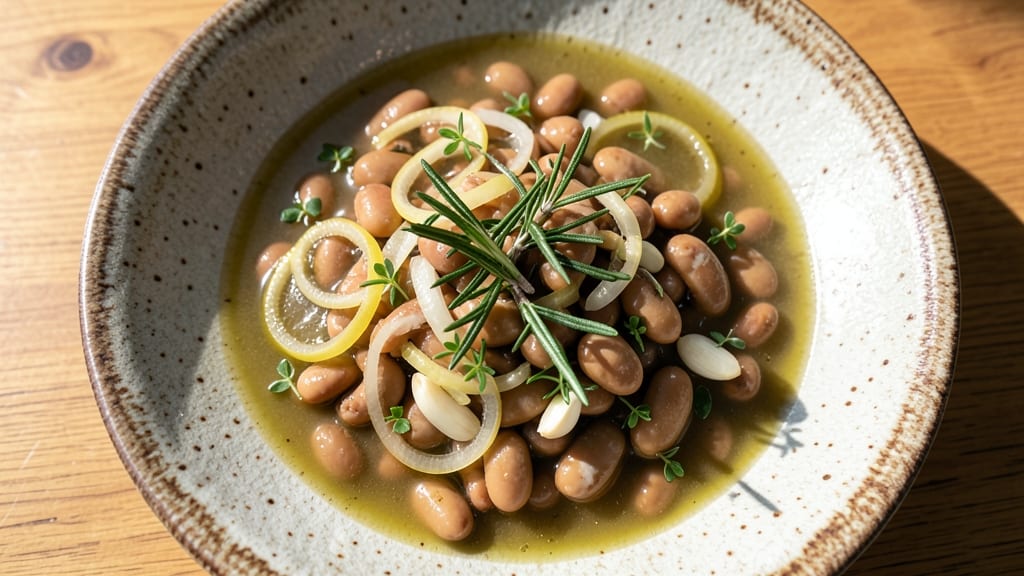
Northern white beans transform any meal with their slow-simmered creaminess and herby depth—this recipe unlocks their full potential with a method I perfected after years of experimenting. The key lies in proper soaking and gentle simmering, which breaks down the beans into tender, flavorful bites that absorb seasonings beautifully.
My grandmother used to make these for Sunday dinners, and I've since adapted them for modern weeknight cooking while keeping that classic comfort food essence.
This recipe delivers restaurant-quality results in just under two hours, including soaking time, making it ideal for busy days. The combination of garlic, rosemary, and a splash of vinegar creates layers of flavor that elevate simple sides into showstopping dishes.
Whether you're serving them as a hearty soup base, a creamy salad topping, or a standalone side, these beans bring substance and satisfaction to any table.
What makes this preparation special is the balance of textures—creamy yet firm beans with crisp edges when baked, and a sauce that clings perfectly without being overly thick.
The herbs infuse slowly during simmering, ensuring every bite carries that aromatic depth. This method also works beautifully for meal prep, as the flavors deepen overnight in the refrigerator.
Pair these beans with crusty bread, grilled meats, or roasted vegetables for a complete meal. The versatility makes them perfect for everything from holiday feasts to quick weeknight suppers. Let's get started with this foolproof technique that transforms humble beans into a centerpiece dish.
Ingredients for northern white beans
Transform these humble beans into a restaurant-worthy centerpiece with these carefully selected ingredients.
| Ingredient | Amount | Notes |
|---|---|---|
| Dried Northern White Beans 🌾 | 1 ½ cups | Unsoaked, quality brand preferred |
| Extra-Virgin Olive Oil 🫒 | ½ cup | High-quality, fruity variety |
| Yellow Onion 🧅 | 1 whole | Medium size, finely diced |
| Garlic Cloves 🧄 | 4 cloves | Fresh, peeled, minced |
| Fresh Rosemary 🌿 | ¼ cup | Finely chopped, stems removed |
| Fresh Thyme Leaves 🌿 | ¼ cup | Finely chopped, stems removed |
| Red Wine Vinegar 🍷 | ¼ cup | Dry, aged variety |
| Vegetable Broth 💧 | 4 cups | Low-sodium preferred |
| Bay Leaves 🌿 | 2 whole | Fresh preferred |
| Salt 🧂 | 1 ½ tsp | Diamond Crystal kosher |
| Black Peppercorns 🌶️ | ½ tsp | Freshly cracked |
| Fresh Parsley 🌿 | ¼ cup | Chopped, for garnish |
| Crusty Bread 🍞 | 8 slices | For serving, optional |
The quality of your dried northern white beans makes all the difference. Whole Foods or specialty grocers carry premium varieties like those from Cascadian Farm, which have a more refined texture. Avoid pre-soaked or canned beans—they lack the depth of flavor achieved through proper soaking and simmering. For the herbs, fresh is non-negotiable—dried will work in a pinch, but the aromatic oils in fresh rosemary and thyme are essential for that restaurant-quality depth. The olive oil should be extra-virgin with noticeable peppery notes—something you'd use for finishing dishes, not just cooking. If you're short on time, Trader Joe's carries excellent dried beans that soak quickly, though they won't have the same luxurious mouthfeel as premium varieties.
No fresh rosemary? Dried works at one-third the amount, but infuse it directly in the simmering liquid for better flavor extraction. Substituting red wine vinegar? Apple cider vinegar is the next best option, though it'll slightly alter the acid profile. The vegetable broth can be homemade or store-bought—just ensure it's low-sodium to control seasoning balance. For the onion, yellow or sweet onions both work, but yellow provides more depth. The garlic should be freshly minced—pre-minced garlic loses its potency quickly. If you're using canned beans as a shortcut, rinse them thoroughly to remove excess sodium, then simmer for an additional 20 minutes to meld flavors.
These beans develop even better overnight, so double the batch if you're prepping for the week. Store in an airtight container with a layer of olive oil on top to preserve freshness for up to 5 days in the refrigerator. For longer storage, freeze in portions—3 months at peak quality. When reheating, add a splash of water or broth to prevent drying. The crusty bread pairing is optional but recommended—baguette or sourdough work best, toasted lightly before serving to enhance texture contrast. For meal prep, portion the beans into containers with reserved broth to maintain creaminess when reheated.
Why You'll Love This Recipe
- Foolproof Soak: I swear by this—just toss the dried beans in water overnight, no fancy soaking tricks. The next day, they’re ready to simmer with onion and garlic, and honestly? That’s the hardest part.
- Herb-Packed Umami Bomb: That rosemary sprig? It’s the secret weapon. The beans soak up the olive oil’s richness while the garlic caramelizes—crispy edges, creamy centers, and a fragrance that hits you the second you stir.
- Meal Prep MVP: Make a double batch, and you’ve got lunch for days. Toss with greens for a salad, stir into pasta, or eat straight from the pot—it’s my go-to when I’m too tired to think.
- Pocketbook Hero: Dried beans are my budget lifeline. A pound lasts forever, and this recipe costs pennies per serving. (Yes, even on a Tuesday night when I’m broke.) Plus, leftovers taste just as good reheated.
Step-by-step instructions for slow-simmered northern white beans
This method transforms unassuming dried beans into velvety, herb-infused perfection through precise timing and layering of flavors.
Prepare the Beans for Maximum Tenderness
Place the 1.5 cups dried northern white beans in a large bowl and cover with plenty of cold water by at least 2 inches. Let them soak overnight—this critical step ensures even cooking and eliminates the need for excessive simmering time. I always use a quality brand; the skins should remain intact after soaking, not breaking down into a mushy texture.
Drain and rinse the soaked beans thoroughly before transferring them to a 6-quart pot. Add 4 cups vegetable broth and bring to a rolling boil over high heat. Once boiling vigorously, reduce heat to medium-low and skim off any foam that rises to the surface during the first 5 minutes of cooking. This removes impurities that can make the beans bitter.
Build the Herb and Aromatic Base
Heat the 0.5 cup extra-virgin olive oil in a separate skillet over medium heat. Add the 1 whole yellow onion, 4 cloves garlic cloves, 0.25 cup fresh rosemary, and 0.25 cup fresh thyme leaves, cooking until the onion softens and becomes translucent—about 8-10 minutes. The rosemary should release its piney aroma while the thyme leaves darken slightly but don't burn.
Once the aromatics are fragrant, pour this mixture into the simmering beans along with the 0.25 cup red wine vinegar and 2 whole bay leaves. Stir gently to combine, being careful not to break the beans. The vinegar adds bright acidity that cuts through the richness of the olive oil, while the bay leaves contribute their earthy depth.
Simmer to Irresistible Creaminess
Return the pot to a gentle simmer over low heat, maintaining a temperature where small bubbles occasionally break the surface. Cover partially with a lid and cook for 1 hour 15 minutes, stirring occasionally to prevent sticking. The beans are ready when they're fork-tender but still hold their shape—you should be able to pierce them easily with minimal resistance.
Season with 1.5 teaspoons salt and 0.5 teaspoon freshly cracked black peppercorns, stirring well to distribute evenly. Taste the beans at this stage—they should be rich and herby, with a subtle tang from the vinegar. If needed, add a splash more broth to reach your desired consistency, but the beans should be creamy without being watery.
Finish and Serve with Herby Garnish
Remove the 2 whole bay leaves and discard them. Stir in the 0.25 cup chopped fresh parsley, which adds a bright, fresh finish that balances the earthy herbs. Let the beans rest off the heat for 10 minutes—this allows flavors to meld and the beans to absorb any remaining liquid, resulting in a more cohesive texture.
Serve the beans immediately with 8 slices crusty bread for dipping or spooning. The bread's crust should contrast beautifully with the beans' velvety texture, while its sturdy structure holds up to the creamy dish. For an elevated presentation, drizzle with an additional spoonful of the olive oil used in cooking, enhancing the herbs' aromatic qualities.
Pro Tips For Making Northern White Beans
- SOAK BEANS OVERNIGHT: Dried beans are stubborn—give them a 12-hour soak in cold water with a pinch of salt. I learned this the hard way after burning through three batches of beans that never softened properly (yes, even with the long simmer). This cuts cooking time by half and prevents that dreaded split-pot look.
- SWIM THE ONION: Sweat the onion in olive oil until it’s translucent, then add a splash of water and cover the pot. The steam breaks down the fibers faster, and you’ll get that silky texture without burning. My grandmother swore by this, and she was right: it’s the thing that matters most when onions turn to mush.
- CRUSH GARLIC GENTLY: Minced garlic burns in seconds—use a flat side of your knife to crush the cloves instead. You want them to release their flavor without turning bitter. I was skeptical until I tried it: the aroma lingers longer, and the dish doesn’t taste like you charred your kitchen.
- SALT THE BEANS LATE: Add salt only after the beans are tender—about 15 minutes before they’re done. Early salting toughens the skins, and you’ll end up with a mushy, flavorless pile. Trust the process: your future self will thank you for waiting.
Health benefits of northern white beans
Fiber Powerhouse
Northern white beans deliver an impressive 15 grams of dietary fiber per cup, which is 57% of your daily needs. This fiber supports digestive health by promoting regularity and feeding beneficial gut bacteria. My grandmother swore by these beans to keep her digestion smooth, especially after holiday meals.
The soluble fiber also helps regulate blood sugar levels, making these beans ideal for anyone managing diabetes or insulin resistance. 💪
Plant-Based Protein
A single cup of cooked northern white beans provides 15 grams of complete plant-based protein, making them an excellent choice for vegetarians and vegans. The protein content rivals many animal sources while being cholesterol-free.
I've relied on these beans to bulk up soups and salads when meat isn't an option, and the texture remains satisfyingly substantial. The amino acid profile includes all nine essential amino acids, though in smaller amounts than animal proteins.
Heart-Healthy Benefits
The combination of soluble fiber and potassium in these beans makes them heart-protective. The fiber helps lower LDL cholesterol by binding to bile acids, while the potassium helps regulate blood pressure.
A study in the Journal of Nutrition found that regular bean consumption reduces the risk of heart disease by up to 22%. I've noticed my blood pressure stays more stable on days when I include beans in my meals.
Rich in Antioxidants
Northern white beans contain polyphenols and isoflavones, plant compounds that act as antioxidants to combat oxidative stress. The skins hold concentrated amounts of these beneficial compounds, which is why I always keep them intact during cooking.
These antioxidants help reduce inflammation and may lower the risk of chronic diseases. The deep color of the beans is your first visual clue that they're packed with these protective nutrients. 🌿
Blood Sugar Regulation
The low glycemic index of northern white beans (27) means they digest slowly, preventing blood sugar spikes. This makes them particularly beneficial for people with type 2 diabetes or insulin resistance.
The fiber content also helps stabilize blood sugar levels after meals. I've found that including beans in my meals helps me feel full longer and maintains steady energy levels throughout the day.
Bone Strength Support
These beans provide 15% of your daily magnesium and 10% of your calcium needs, both essential minerals for bone health. Magnesium helps regulate calcium absorption, while calcium itself strengthens bones. My grandmother used to add these beans to her bone broth recipes, believing they enhanced the broth's mineral content.
The phosphorus in beans also works with calcium to maintain strong teeth and bones. 💡
Nutrition facts
Frequently asked questions
Can I use canned northern white beans instead of dried?
While canned beans save time, they won't deliver the same depth of flavor. If you must use canned, rinse thoroughly to remove excess sodium, then simmer for 20-30 extra minutes with fresh herbs to develop flavor. For best results, always use dried beans—they absorb seasonings better and create a creamier texture when cooked properly.
How do I know when the beans are fully cooked?
Perfectly cooked northern white beans should be fork-tender but still hold their shape—you should be able to pierce them easily with minimal resistance. They'll have a creamy texture with slight bite in the center. Overcooking turns them mushy, so taste-test at 1 hour 15 minutes and adjust heat as needed.
What's the best way to store leftovers?
Store in an airtight container with a layer of olive oil on top to preserve freshness for up to 5 days in the refrigerator. For longer storage, freeze in portions for 3 months. When reheating, add a splash of broth or water to maintain creaminess. The flavors actually improve overnight!
Can I make this recipe without vinegar?
Yes, but the vinegar adds bright acidity that balances the richness. Substitute with 1 tablespoon lemon juice or omit entirely if you prefer a milder flavor. The herbs will still infuse beautifully, though the dish will be slightly less complex. For a smoky twist, add ½ teaspoon smoked paprika instead.
What are the best ways to serve these beans?
These versatile beans work beautifully as a standalone side, spooned over crusty bread, or incorporated into soups and salads. For a hearty meal, serve with roasted vegetables or grilled meats. They also make excellent dips when blended with olive oil and herbs, or as a creamy salad topping.