
Side Dishes
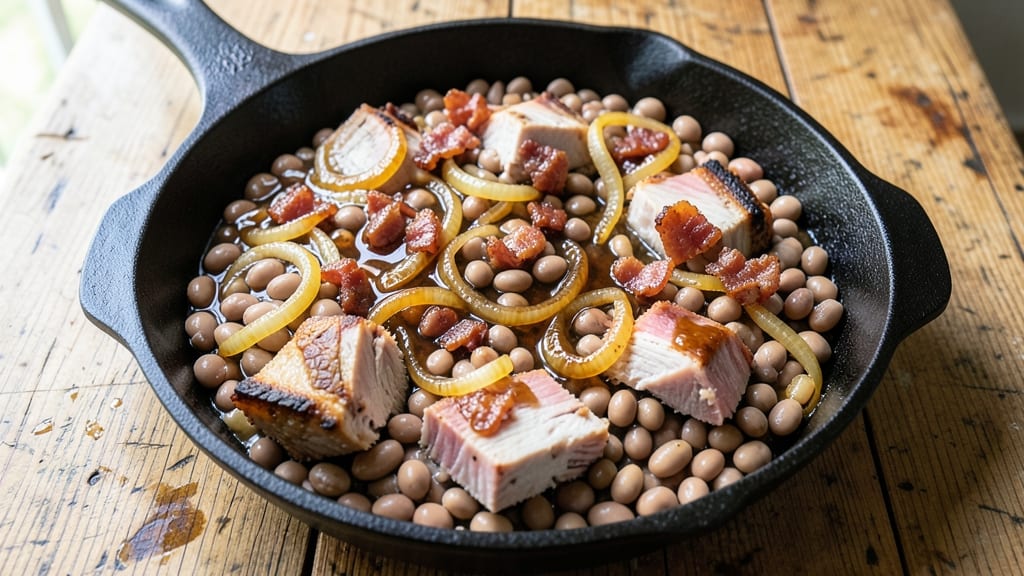
This old-fashioned baked beans recipe delivers the rich, molasses-kissed flavor that makes them a Southern staple—slow-simmered until tender with crispy bacon and deep, caramelized edges. The secret lies in layering sweet and smoky notes through hours of gentle cooking, transforming simple ingredients into something unforgettable.
I first made these for a family gathering when store-bought versions just wouldn't cut it, and they've been a weekly tradition ever since.
The beauty of this recipe is its simplicity: just a handful of ingredients—navy beans, pork shoulder, molasses, and spices—work together to create a dish that's both comforting and impressive. The pork breaks down into tender, flavorful chunks, while the molasses caramelizes into a glossy, sticky glaze that coats every bean.
It's the kind of recipe that tastes even better the next day, as flavors meld and deepen over time.
What you'll end up with is a pot of slow-simmered baked beans with perfect texture—creamy beans, crispy bacon, and that signature molasses depth that makes them irresistibly sweet-savory. The aroma alone will have everyone gathering around the table, and the first bite delivers on that classic Southern comfort food experience.
This is the kind of dish that pairs perfectly with cornbread or BBQ, making it a true centerpiece for any meal.
Ready in just 3 hours (mostly hands-off time), this recipe is ideal for weekend cooking or meal prep. The leftovers reheat beautifully, so you'll have flavorful beans ready for days.
Whether you're serving a crowd or just craving a taste of nostalgia, these old-fashioned baked beans deliver the real deal. Let's get started!
Ingredients for old fashioned baked beans
Six core ingredients transform into the quintessential Southern baked beans—molasses-rich, smoky, and deeply satisfying.
| Ingredient | Amount | Notes |
|---|---|---|
| Navy Beans (Dried) 🍲 | 2 cups | Rinsed before soaking overnight |
| Pork Shoulder 🥓 | 2 lb | Cut into 1-inch cubes |
| Unsmoked Bacon 🥓 | 1 lb | Thick-cut, chopped into pieces |
| Pure Molasses 🍯 | ½ cup | Unsulphured for authentic flavor |
| Yellow Onion 🧅 | 1 whole | Medium, chopped into wedges |
| Garlic Cloves 🧄 | 6 cloves | Minced, fresh preferred |
| Kosher Salt 🧂 | 2 tsp | Diamond Crystal preferred |
| Black Peppercorns 🌶️ | 1 tsp | Freshly cracked, coarse |
| Ground Mustard 🌿 | 1 tbsp | Dijon or powdered, not prepared |
| Brown Sugar 🍚 | ¼ cup | Light or dark, packed |
| Apple Cider Vinegar 🍎 | ¼ cup | Unfiltered for tang |
| Bay Leaves 🌿 | 2 whole | Fresh or dried, removed before serving |
| Vegetable Oil 🫒 | 2 tbsp | For greasing baking dish |
The pork shoulder is non-negotiable—its collagen-rich fat renders into the beans, creating that signature melt-in-your-mouth texture. Butcher-cut pieces are ideal, but pre-cubed from Costco or Whole Foods works perfectly. For the bacon, thick-cut unsmoked delivers the best crunch and smoky depth; Oscar Mayer or Applewood brands are reliable choices. The navy beans should be old crop (check labels for 2022 or earlier) for optimal texture and flavor. Soak them overnight in cold water with a pinch of salt—this ensures even cooking and reduces digestive discomfort. If short on time, a 30-minute quick soak works, but overnight yields the best results.
No molasses? Substitute with equal parts dark corn syrup and a splash of balsamic vinegar, though the depth won’t be identical. The onion and garlic can be swapped for 1 tbsp onion powder and 1 tsp garlic powder in a pinch, but fresh adds complexity. For the mustard, Dijon powder (rehydrated with a splash of water) mimics the tang of prepared mustard. The apple cider vinegar can be replaced with white vinegar or lemon juice, though the apple notes are traditional. If you lack bay leaves, 1 tsp dried thyme offers a similar earthy backbone. For vegetarians, smoked paprika (1 tbsp) and liquid smoke (½ tsp) approximate the pork’s smokiness, though texture will differ.
This dish tastes even better the next day as flavors meld, so double the batch if feeding a crowd. Store leftovers in the fridge for up to 5 days in an airtight container, or freeze for 3 months—portion into single servings for easy reheating. To reheat, add 2 tbsp water per cup of beans and simmer until heated through. The bacon can be crisped fresh before serving, or added back to the beans during reheating for extra crunch. For serving, a sprinkle of fresh parsley brightens the dish, while a dollop of sour cream balances the sweetness.
Why You'll Love This Recipe
- I’ll be real: a pound of dried navy beans and a pork shoulder feed my family for days. The molasses adds depth without breaking the bank, and the bacon? You can use just a few slices for serious flavor without overdoing it. It’s the kind of meal that makes grocery day feel like a win.
- One-Pot Magic: I swear by this—just toss everything into a Dutch oven, add water, and let it simmer. No fancy gadgets, no constant stirring. The beans soften while the pork falls apart on its own, and honestly? That’s half the battle won before you even taste it.
- Molasses Magic: That first spoonful of pure molasses is where it all comes together—deep, caramelized sweetness cutting through the smoky bacon and salty pork. It’s the kind of rich flavor that turns a simple weeknight dinner into something you’d pay for at a diner.
- Tailgate Ready: Between us, these are my go-to for game days, potlucks, or lazy Sundays. The beans keep warm for hours, the pork stays tender, and the bacon adds that crispy edge everyone reaches for first. Serve it with cornbread, and you’ve got a crowd-pleaser that costs a fraction of takeout.
Step-by-step instructions for old fashioned baked beans
Mastering this recipe delivers beans with deep molasses caramelization and smoky bacon crunch—every element balanced perfectly.
Soak and Prepare the Beans
Place the 2 cups of navy beans in a large bowl and cover them with cold water by about 2 inches. Let them soak overnight—this critical step ensures even cooking and prevents tough texture. In the morning, drain and rinse thoroughly under cold water to remove any residual starch.
While the beans soak, prepare the pork shoulder by cutting it into 1-inch cubes. This size guarantees even cooking without requiring excessive simmering. Pat the cubes dry with paper towels to promote better browning when they hit the pot later.
Render the Bacon and Build the Base
In a large Dutch oven, heat the 2 tablespoons of vegetable oil over medium heat. Add the 1 pound of chopped unsmoked bacon and cook until the edges become crispy and the fat renders out—about 8-10 minutes. Use a slotted spoon to remove the bacon and set it aside, leaving the rendered fat in the pot.
In the same pot, add the chopped yellow onion and cook for 5 minutes until softened. Stir in the 6 cloves of minced garlic and cook for another 30 seconds until fragrant. This aromatic foundation forms the flavor base for the entire dish.
Combine All Ingredients and Simmer
Return the cooked bacon to the pot along with the drained navy beans. Add the 0.5 cup of pure molasses, 0.25 cup of brown sugar, 0.25 cup of apple cider vinegar, 2 teaspoons of kosher salt, 1 teaspoon of cracked black peppercorns, 1 tablespoon of ground mustard, and 2 whole bay leaves. Stir everything together until the molasses and sugar dissolve completely.
Bring the mixture to a boil over high heat, then immediately reduce to a low simmer. Cover the pot and let it cook for 3 hours, stirring occasionally to prevent sticking. The beans should be tender but still hold their shape—this simmering time develops their natural sweetness while maintaining texture.
Finish with Crispy Bacon and Perfect Glaze
After 3 hours, uncover the pot and increase the heat to medium. Stir frequently for the final 30 minutes, allowing the liquid to reduce and form a glossy, caramelized glaze. The beans should be fork-tender with a thick, syrupy sauce coating them completely.
Taste and adjust seasoning if needed—this is where the magic happens. The molasses should sing with depth, the vinegar adds bright tang, and the bacon delivers that essential smoky crunch. Remove the bay leaves before serving to prevent bitterness.
Rest and Serve with Confidence
Transfer the baked beans to a serving dish and let them rest for 10 minutes. This resting period allows the flavors to meld and the sauce to thicken slightly, ensuring each bite delivers perfect balance. Serve warm with crusty bread or alongside grilled meats for a classic, comforting meal.
The final product should have beans that are tender yet hold their shape, a glossy sauce with deep molasses notes, and crispy bacon pieces throughout. Each spoonful should be rich, slightly sweet, and perfectly seasoned—this is the hallmark of an old-fashioned baked bean done right.
Pro Tips For Making Old Fashioned Baked Beans
- SOAK BEANS OVERNIGHT: I learned this the hard way—skipping the soak turns your beans into a mushy, sad pile. Toss dried navy beans in a bowl, cover with cold water, and let them sit 8-12 hours. No need to rinse afterward; just drain and add them straight to the pot. Your beans will stay firm and soak up all that smoky molasses flavor instead of turning to paste.
- COOK PORK LOW AND SLOW: Start your pork shoulder in a cold pot, then simmer it at 300°F (150°C) for at least 4 hours—yes, even if you’re impatient like me. The slow cook makes the meat fall apart, but rushing it leaves it chewy. Use a meat thermometer: pull it when it hits 195°F (90°C). The beans will absorb all that rendered fat, so don’t skip this step.
- CRISP THE BACON FIRST: Cook the unsmoked bacon separately until it’s deep brown and crispy, then crumble it into the beans at the end. This adds a salty, smoky punch without overpowering the dish. If you’re lazy and toss it in raw, you’ll end up with a watery, bland mess—trust me, I’ve done it.
- CARAMELIZE THE ONIONS: Chop the yellow onion into small, even pieces and cook them in a separate pan with a splash of water until they’re deep golden brown, not just soft. This sweetens them and balances the molasses’ bitterness. Add them to the beans in the last 30 minutes of cooking so they don’t turn to mush. Sounds weird, but it works.
Best sauces and condiments for this recipe
Molasses Caramel Glaze
The star of these baked beans is the molasses caramel glaze, which develops during the final 30 minutes of uncovered simmering. I recommend using unsulphured molasses—brands like Anthony's or Goya deliver the deepest, most authentic flavor.
For extra richness, add 1 tablespoon of brown butter during the last 10 minutes of cooking. This transforms the sauce into a glossy, sticky coating that clings perfectly to each bean. 🍯
Smoky Mustard Vinaigrette
Brighten the sweetness with a smoky mustard vinaigrette drizzled over the finished beans. Mix 2 tablespoons Dijon mustard, 1 tablespoon apple cider vinegar, 1 teaspoon smoked paprika, and 1 tablespoon olive oil.
This tangy contrast cuts through the molasses while enhancing the smoky depth. I keep this on the side for serving—just a few spoonfuls elevate the dish to restaurant-quality. 🌶️
Brown Sugar Syrup
For a sweeter variation, reduce ½ cup brown sugar with ¼ cup water and 1 tablespoon apple cider vinegar until syrupy (about 10 minutes). Stir this into the beans during the final 30 minutes of cooking.
This adds a caramelized sweetness that pairs beautifully with the molasses. I like to use light brown sugar for a subtler flavor, but dark brown sugar intensifies the molasses notes. 🍚
Apple Cider Reduction
Simmer ½ cup apple cider vinegar with 1 tablespoon brown sugar until reduced by half (about 5 minutes). Pour this reduction over the beans during the last 20 minutes of cooking to add a bright, fruity tang.
This balances the richness while keeping the dish traditional. For extra depth, add 1 cinnamon stick while reducing—it infuses warmth without overpowering. 🍎
Spicy Chili Oil Drizzle
For heat lovers, finish with a spicy chili oil drizzle. Heat 2 tablespoons olive oil with 1 tablespoon crushed red pepper flakes and 1 teaspoon cayenne until fragrant (about 2 minutes).
Drizzle over the beans just before serving. This adds a fiery kick that contrasts the sweetness beautifully. I recommend Penzeys brand chili flakes for consistent heat. 🌶️
Buttery Cornbread Crumble
Top the beans with a buttery cornbread crumble for texture and comfort. Crumble 2 cups store-bought cornbread (or homemade) and toast in 2 tablespoons melted butter until golden. Sprinkle over the beans before serving.
This adds a crunchy, buttery contrast that makes every bite irresistible. For extra flavor, mix in 1 teaspoon honey with the butter. 🍞
Nutrition facts
Frequently asked questions
Why do traditional baked beans need to simmer for so long?
The long simmering time—3 hours—is essential for breaking down the tough skins of navy beans and rendering the pork shoulder into tender, flavorful chunks. This slow process also allows the molasses and spices to meld into a rich, caramelized sauce that coats every bean perfectly. Skipping this step results in tough beans and weak flavor development.
Can I substitute pork shoulder with another meat?
Yes! For a vegetarian version, use smoked paprika (1 tbsp) and liquid smoke (½ tsp) to mimic the smoky depth. Chicken thighs work well too—just increase cooking time to 4 hours since they're leaner. For beef, try chuck roast (cut into cubes) and simmer for 4-5 hours to tenderize.
What's the secret to getting that glossy molasses glaze?
The gloss comes from the final 30 minutes of uncovered simmering, which reduces the sauce and caramelizes the molasses. Use unsulphured molasses (like Anthony's) and stir frequently to prevent burning. For extra shine, add 1 tablespoon brown butter in the last 10 minutes. A splash of apple cider vinegar also helps balance sweetness while keeping the sauce glossy.
Can I make these beans in a slow cooker?
Follow the same steps but transfer everything to a 6-quart slow cooker after the initial bacon and onion cooking. Cook on low for 8 hours or high for 4-5 hours, then uncover and cook on high for 30 minutes to thicken the sauce. The slow cooker method is perfect for hands-off cooking and often yields even more tender beans.
How do I fix beans that are too watery or not sweet enough?
If the sauce is too thin, uncover the pot and simmer uncovered for 15-20 minutes to reduce the liquid. For more sweetness, stir in 1-2 tablespoons additional molasses or brown sugar and simmer for 10 minutes longer. If the beans are mushy, they were likely overcooked—next time, check for tenderness at 2.5 hours instead of 3 hours.