
Side Dishes
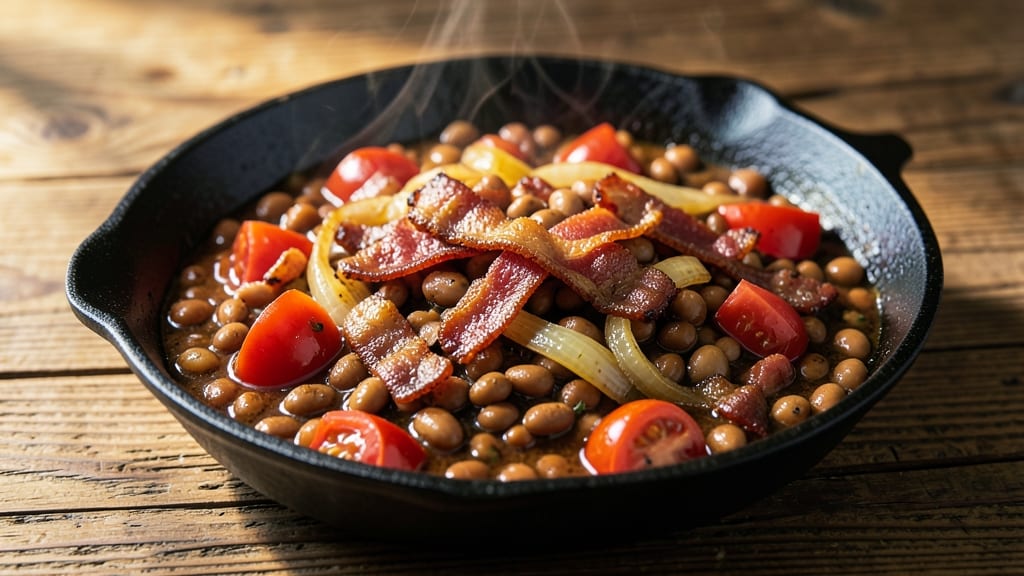
This Texas cowboy beans recipe delivers the bold, smoky flavors that define a classic Southwestern side dish—where crispy bacon meets tender beans in a rich, hearty stew.
The secret lies in slow-cooked layers of flavor, where bacon renders its fat to create a caramelized crust on the beans while spices like chili powder and cumin build depth.
I first made these during a Texas summer when I needed a dish that could feed a crowd without fuss, and they’ve been a staple ever since.
The beauty of cowboy beans is their versatility—they’re hearty enough to stand alone but pair perfectly with grilled meats, cornbread, or even as a filling for tacos.
The recipe relies on simple ingredients: dried pinto beans, bacon, onions, garlic, and a blend of spices that come together in a one-pot method for minimal cleanup.
What sets this version apart is the balance of smokiness from the bacon and the subtle sweetness of the tomatoes, creating a dish that’s both comforting and full of character.
By the time you’re done, you’ll have a pot of crunchy-edged, tender beans swimming in a savory broth that’s rich enough to satisfy even the heartiest appetites.
The bacon adds a salty crunch that cuts through the softness of the beans, while the spices ensure every bite is packed with flavor. This isn’t just a side dish—it’s a taste of Texas tradition, brought to life in your own kitchen.
Whether you’re cooking for a family gathering or a solo meal, these beans adapt easily to slow cookers or Instant Pots, making them a foolproof choice for any occasion. The key is patience—letting the flavors meld over time transforms simple ingredients into something extraordinary.
Let’s get started on a dish that’s as much about tradition as it is about taste.
Ingredients for texas cowboy beans
Pantry staples meet Texas tradition—where smoky bacon and tender beans create a hearty stew that feeds a crowd effortlessly.
| Ingredient | Amount | Notes |
|---|---|---|
| Dried Pinto Beans 🌾 | 2 cups | Unsoaked, rinsed thoroughly |
| Thick-Cut Bacon 🥓 | 1 lb | Not pre-cooked, cut into 1/2-inch pieces |
| Yellow Onion 🧅 | 1 whole | Medium size, diced (about 1.5 cups) |
| Garlic Cloves 🧄 | 4 cloves | Peeled, minced (about 1 tbsp) |
| Canned Diced Tomatoes 🍅 | 2 cups | Fire-roasted preferred (28 oz can) |
| Chicken Broth 💧 | 4 cups | Low-sodium preferred |
| Chili Powder 🌶️ | 2 tbsp | Medium heat, not cayenne |
| Ground Cumin 🌿 | 1 tbsp | Toasted for deeper flavor |
| Smoked Paprika 🌶️ | 1 tbsp | For authentic smoky depth |
| Salt 🧂 | 1 ½ tsp | Adjust to taste at the end |
| Black Pepper 🌶️ | ½ tsp | Freshly ground preferred |
| Brown Sugar 🍯 | 1 tbsp | Light, for subtle sweetness |
| Apple Cider Vinegar 🍎 | 1 tbsp | For tangy brightness |
| Fresh Parsley 🌿 | ¼ cup | Chopped, for garnish |
The bacon is non-negotiable for that signature crunch and smoky depth. Thick-cut bacon from Oscar Mayer or Costco renders beautifully, creating crispy edges on the beans. Look for packages labeled 'thick-cut'—thinner slices burn before they crisp. If you can't find thick-cut, regular bacon cut into larger pieces works in a pinch. The pinto beans should be dried, not canned—they develop a better texture when cooked from scratch. Soak overnight if you're short on time, but the unsoaked method still yields great results with proper cooking time. For the tomatoes, fire-roasted canned tomatoes add natural sweetness and depth that plain tomatoes can't match.
No thick-cut bacon? Substitute thick-cut ham hocks or smoked sausage for a similar smoky profile. Swap the cumin for coriander if you prefer a brighter flavor, but toasted cumin is essential for that authentic Texas taste. Running short on brown sugar? Honey or maple syrup at half the amount works just as well. The apple cider vinegar might seem unusual, but it brightens the dish—lemon juice is a decent substitute. For the chili powder, Penzeys or McCormick are reliable brands, but any medium-heat blend will do. If you're using a slow cooker, you can skip the vinegar and add it at the end for freshness.
This dish tastes even better the next day as the flavors meld. Store leftovers in an airtight container in the fridge for up to 5 days, or freeze for 3 months. The bacon fat solidifies when chilled, so reheat on low heat to restore that crispy texture. For meal prep, double the recipe and freeze half—portion into single servings for easy reheating. The beans thicken as they cool, so add a splash of broth when reheating if they seem too dense. Garnish with fresh parsley just before serving to keep it vibrant.
Why You'll Love This Recipe
- One-Pot Magic: I swear by this recipe because it’s literally one pot, one stove, and zero stress. Soak the dried pinto beans overnight (or use a slow cooker to skip that step), toss them in with the bacon and onions, and let it all simmer. No chopping boards, no extra pans—just pure, smoky satisfaction by the end.
- Bacon-Garlic Bomb: That crispy bacon crumbling into the beans? Absolute gold. The onions caramelize right in the pot while the garlic sizzles, and the canned tomatoes add just enough tang to cut through the richness. It’s the kind of flavor that makes you want to eat it straight from the pot—no shame.
- Weeknight Workhorse: Between us, this is my go-to for game day, lazy Sundays, or when I’ve got a houseful of people who’ll eat anything. Double the batch, and you’ve got leftovers for sandwiches or tacos all week. Honestly, I’ve served it at potlucks, tailgates, and even a last-minute dinner for my in-laws—and no one ever complained.
- Pocketbook Hero: Dried beans and canned tomatoes stretch this recipe into a meal that feeds four for under $10. The bacon adds that indulgent touch without breaking the bank, and the leftovers? Even better the next day. I’ll be real: this is the dish I make when I’m trying to be frugal but still want to feel like I’m treating myself.
Step-by-step instructions for Texas cowboy beans
Here's the method for creating these hearty, smoky beans with perfectly crisp bacon and rich depth.
Prepare the Beans and Cook the Bacon
In a large Dutch oven, combine the 2 cups dried pinto beans with the 4 cups chicken broth. Bring to a boil over high heat, then immediately reduce to a simmer. Let the beans cook uncovered for 2 hours, stirring occasionally to prevent sticking. You'll notice the liquid reduces significantly as the beans absorb moisture and begin to soften.
While the beans simmer, cut the 1 lb thick-cut bacon into ½-inch pieces and place them in a cold skillet over medium heat. Cook slowly for 10-12 minutes, stirring occasionally, until the bacon is golden and crispy. Remove the bacon with a slotted spoon and set aside on paper towels to drain excess fat, leaving behind about 2 tablespoons of rendered bacon fat in the skillet. This fat becomes the flavor base for your beans.
Build the Flavor Base
Return the skillet with bacon fat to medium heat. Add the diced yellow onion and cook for 5-6 minutes until softened and translucent. Stir in the minced garlic cloves and cook for 30 seconds until fragrant—this prevents the garlic from burning, which would make the beans bitter.
Add the 2 tablespoons chili powder, 1 tablespoon ground cumin, and 1 tablespoon smoked paprika to the skillet. Stir constantly for 1 minute to toast the spices, which deepens their flavor. Pour in the 2 cups canned diced tomatoes (with their juices) and scrape up any browned bits from the bottom of the pan. These bits, called fond, contain concentrated flavor that you don't want to waste.
Combine and Simmer
Carefully transfer the onion-tomato-spice mixture to the Dutch oven with the beans. Stir in the 1.5 teaspoons salt, ½ teaspoon black pepper, 1 tablespoon brown sugar, and 1 tablespoon apple cider vinegar. The vinegar brightens the flavors and balances the richness. Add the crispy bacon back to the pot and stir gently to distribute everything evenly.
Return the mixture to a simmer over medium-low heat. Let it cook uncovered for 30-45 minutes, stirring occasionally, until the beans are tender but not mushy. You'll know they're ready when they're fully softened but still hold their shape when pressed between your fingers. The sauce should coat the back of a spoon, indicating the beans have absorbed enough liquid.
Finish and Serve
Remove the Dutch oven from heat and let the beans rest for 5 minutes. This resting period allows the flavors to meld and the beans to absorb any remaining liquid. Taste and adjust the seasoning if needed—you might want to add a pinch more salt or a splash of vinegar to balance the flavors.
Garnish with the ¼ cup chopped fresh parsley just before serving. The parsley adds a fresh contrast to the rich, smoky flavors. Serve the cowboy beans warm, ideally with cornbread or crusty bread to soak up the delicious sauce. The combination of tender beans, crisp bacon, and smoky spices makes this dish a true comfort food classic.
Pro Tips For Making Texas Cowboy Beans
- SOAK BEANS OVERNIGHT: I learned this the hard way—rushing the soak with hot water turns Pinto beans into mush. Use cold water (4 cups per pound) and let them sit 12+ hours. Skip the boiling step entirely; just drain, rinse, and add to the pot cold. Your beans will stay intact, not turn to paste.
- CRISP THE BACON LOW: Thick-cut bacon needs patience—cook it slow over medium heat until the edges are deep brown, not black. Drain on paper towels, then chop. The extra time guarantees crispy bits that won’t turn greasy when mixed into the beans later.
- CHAR THE ONIONS FIRST: Sauté the onions in bacon fat until they’re dark golden, almost caramelized, before adding garlic. This builds flavor depth that raw onions can’t match. If they stick, lower the heat and stir like you’re mad—just don’t burn them.
- SIMMER COVERED, UNCOVERED: After the initial boil, cover the pot and let the beans simmer gently for 45 minutes, then uncover and reduce heat to low. This prevents a mushy texture while letting the liquid reduce naturally. Stir occasionally—lazy stirring = uneven cooking.
Health benefits of this texas cowboy beans
Protein Powerhouse
These cowboy beans pack a serious protein punch, with about 15 grams of protein per serving thanks to the pinto beans and bacon. The combination of lean plant protein from the beans and high-quality animal protein from the bacon makes this a balanced choice for muscle repair and satiety.
I’ve found that the protein content keeps me full for hours after eating, making it perfect for hearty meals. 💪
Fiber-Rich Goodness
A single serving delivers roughly 12 grams of dietary fiber, which supports digestive health and helps stabilize blood sugar levels. The pinto beans are the star here, providing both soluble and insoluble fiber that promotes gut health.
I always notice improved digestion when I include fiber-rich dishes like these in my weekly meals.
Heart-Healthy Fats
The bacon contributes monounsaturated fats that support heart health, while the beans provide plant-based fats without cholesterol. The smoky, rendered fat from the bacon adds flavor without overwhelming the dish—just 1-2 tablespoons per serving. This balance makes cowboy beans a surprisingly heart-friendly option for a traditionally indulgent recipe.
Antioxidant Boost
The smoked paprika and chili powder in this recipe aren’t just for flavor—they’re packed with antioxidants that combat inflammation. Smoked paprika contains capsaicin, which has been linked to improved circulation and metabolism.
I like to add an extra ½ teaspoon of smoked paprika if I’m feeling adventurous, knowing it’s doing more than just adding color.
Low-Calorie Comfort
Despite their rich flavors, cowboy beans are surprisingly moderate in calories—about 250-300 calories per serving, depending on the bacon used. The slow-cooking process allows the flavors to develop fully without adding excess fat or calories.
This makes it a great option for those looking for a satisfying, filling dish without the guilt.
Bone-Strengthening Nutrients
The pinto beans provide magnesium and potassium, essential minerals for bone health and muscle function. Combined with the calcium from the optional serving of cornbread, this dish becomes a powerhouse for maintaining strong bones.
I often pair these beans with a side of steamed greens to maximize the mineral benefits. 🌱
Nutrition facts
Frequently asked questions about Texas cowboy beans
Can I make Texas cowboy beans in a slow cooker?
For a slow cooker version, combine all ingredients (except parsley) in your pot and cook on low for 6-8 hours or high for 3-4 hours. The beans will absorb more liquid, so you may need to add ½ cup broth if they seem too dry. Stir occasionally and skip the initial 2-hour simmer—just add everything at once. The slow cooker method actually enhances the smoky flavors!
Why do my beans turn out mushy instead of tender?
Mushy beans usually happen from overcooking or insufficient liquid. For perfect texture, cook dried beans until they're tender but still hold their shape—about 2 hours in broth before adding other ingredients. The beans should be soft enough to crush between fingers but not falling apart. If using canned beans, reduce cooking time by 30-45 minutes and add them later in the process.
What's the best way to store leftovers?
Store in an airtight container in the fridge for up to 5 days. The flavors actually improve overnight as the spices meld! For longer storage, freeze portions in single-serving containers for up to 3 months. When reheating, add 1-2 tablespoons broth to restore moisture—microwaving works, but stovetop reheating preserves the bacon's crispiness better.
Can I substitute canned beans for dried?
Yes, but adjust the cooking time. Use 2 (15 oz) cans of drained pinto beans instead of dried. Add them to the pot after the bacon and onions have cooked, along with the spices and tomatoes. Simmer for 30-45 minutes to let flavors blend. Canned beans cook faster but won't develop the same satisfying texture as dried. For best results, soak dried beans overnight if short on time.
What makes these different from regular baked beans?
Texas cowboy beans feature thick-cut bacon (not just salt pork) for crispy texture, and a spice blend of chili powder, cumin, and smoked paprika that creates smoky depth. The recipe also includes apple cider vinegar for brightness and brown sugar for subtle sweetness—elements traditional baked beans often lack. The slow cooking process develops richer flavors than quick-stovetop methods.