
Side Dishes
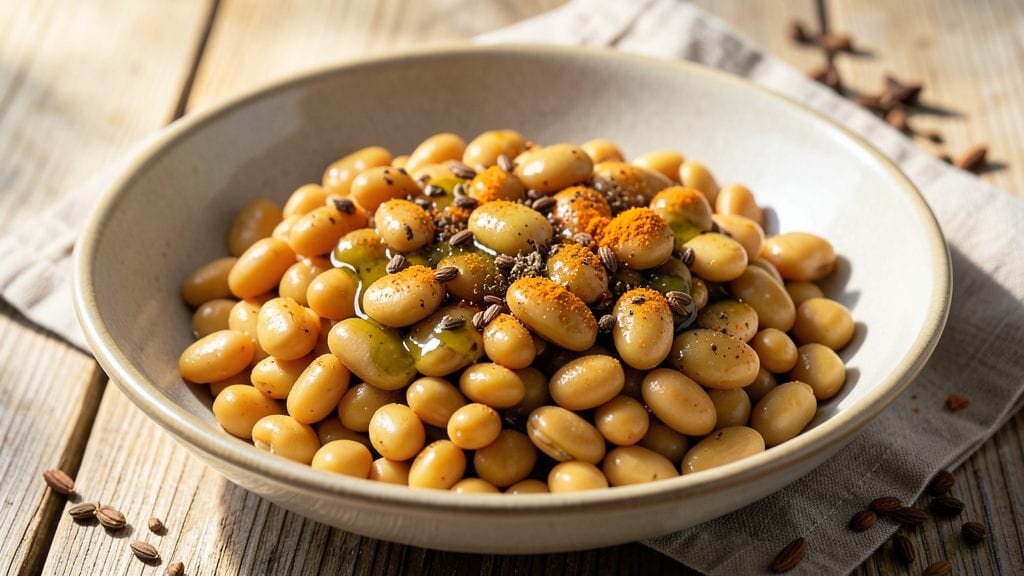
Transforming whole moong beans into a protein-packed side dish in just 20 minutes is simpler than you think—no fancy equipment or long soaking required. These versatile beans, packed with plant-based protein and fiber, form the foundation of countless traditional dishes across South Asia, from crispy sprouted salads to hearty curries.
I’ve streamlined the process to deliver a foolproof method that balances nutrition and flavor without sacrificing authenticity.
The key lies in quick soaking (just 30 minutes) and high-heat cooking, which preserves their natural texture while unlocking rich, savory flavors. Whether you’re serving them as a standalone snack, a vibrant side, or even a main dish, this recipe adapts effortlessly to your needs.
The spices—cumin, turmeric, and garam masala—infuse the beans with warmth, while a touch of lemon brightens the final result.
By the end, you’ll have tender yet firm moong beans with a fragrant, golden hue and a satisfying crunch. They’re perfect for meal prep, packed lunches, or spontaneous weeknight dinners—no leftovers to worry about.
The method is repeatable, scalable, and designed to work with whatever ingredients you have on hand.
Ready to elevate your meals with this versatile, nutrient-dense staple? The instructions ahead will guide you through every step, from soaking to seasoning, ensuring restaurant-quality results at home. Let’s get started!
Ingredients for whole moong beans
Nine simple ingredients transform into a fragrant, protein-rich side dish in 20 minutes.
| Ingredient | Amount | Notes |
|---|---|---|
| Whole Moong Beans (Yellow Split Peas) 🌾 | 1 ½ cups | Dried, rinsed thoroughly |
| Water 💧 | 3 cups | For quick soaking |
| Ground Cumin Seeds 🌿 | 1 tsp | Toasted for depth |
| Turmeric Powder 🌶️ | ½ tsp | Bright yellow color |
| Garam Masala 🌶️ | 1 tsp | Freshly ground preferred |
| Extra-Virgin Olive Oil 🫒 | 1 tbsp | For high-heat cooking |
| Fresh Lemon Juice 🍋 | 1 tbsp | Brightens final flavor |
| Salt 🧂 | ½ tsp | Diamond Crystal kosher |
| Fresh Cilantro Leaves 🌿 | ¼ cup | Chopped, for garnish |
| Red Chili Flakes 🔥 | ¼ tsp | Adjust for heat |
| Fresh Ginger 🧅 | 1 tsp | Grated, aromatic base |
Moong beans are the star here, so opt for organic or high-quality dried beans from stores like Whole Foods or Indian specialty markets. They should be plump, uniform, and free of debris. The yellow variety is most common, but green moong beans work too. Toasting the cumin seeds in a dry pan for 30 seconds before grinding deepens their flavor—don’t skip this step. For garam masala, Madras or M.P. Birla blends are my go-to, but any brand with whole spices works. The turmeric should be vibrant, not dull, indicating freshness. If you're short on time, Trader Joe's pre-rinsed beans save a step, though rinsing at home ensures no grit.
No garam masala? Combine 1/4 tsp each of cinnamon, cardamom, and coriander for a DIY version. Fresh ginger is ideal, but powdered works at half the amount. Short on cilantro? Fresh parsley or mint adds brightness. The olive oil matters—use something with a high smoke point like avocado or refined coconut oil for high-heat cooking. For extra protein, add 1/2 cup cooked lentils or chickpeas at the end. The lemon juice can be bottled, but fresh is brighter—squeeze it just before adding. Red chili flakes are optional but recommended for that signature South Asian kick.
These beans reheat beautifully—just toss with a splash of water and warm through. Store in an airtight container in the fridge for 4-5 days or freeze for 3 months. For meal prep, portion into single servings with a sprinkle of salt to preserve freshness. The spices lose potency over time, so if storing for more than a week, toast the cumin and garam masala fresh before reheating. Pairs perfectly with roti, rice, or even a simple salad—leftovers make great lunches.
Why You'll Love This Recipe
- Zero-Fuss Cooking: I swear by this recipe because it’s about as hands-off as it gets—just soak the whole moong beans overnight (or even 4 hours in a pinch), then simmer with water, cumin, and turmeric. No chopping, no blending, no fussing over spices. That garam masala finish ties it all together with zero effort.
- Earthy Warmth: The cumin and turmeric work magic here—warm, slightly smoky, and bright enough to wake up your taste buds. I’ll be real: the garam masala at the end is what makes it ridiculously good, giving it that cozy, aromatic punch that feels like a hug in a bowl.
- Meal Prep MVP: This keeps perfectly for days in the fridge—no soggy textures, no weird flavors. I make a big batch on Sundays, and it’s my go-to for quick lunches, curry bases, or even a side for roasted veggies. Honestly, it’s the only recipe I trust to not disappoint after three days.
- Budget Hero: A cup of whole moong beans costs pennies, and they cook up into a hearty, protein-packed dish that fills you up. Between us, this is my secret weapon for feeding the family without breaking the bank. Plus, the spices are cheap and go a long way—just a pinch of each, and you’re golden.
Step-by-step instructions for spiced whole moong beans
Here's how to transform whole moong beans into a vibrant, protein-rich side dish with bold Indian flavors.
Quick-Soak and Rinse the Whole Moong Beans
Place the 1.5 cups whole moong beans (yellow split peas) in a fine-mesh strainer and rinse thoroughly under cold running water. This removes any dust and impurities that could affect flavor. Transfer the rinsed beans to a medium saucepan and add the 3 cups water. Bring to a boil over medium-high heat, then immediately reduce to medium-low heat and simmer for 10 minutes. You'll notice the beans soften slightly but remain intact—this quick soak prevents them from becoming mushy later.
Drain the beans and return them to the saucepan. Add 1 tsp fresh ginger and 0.5 tsp salt, then stir gently. The ginger will infuse flavor while the salt enhances the beans' natural nuttiness. Let the mixture sit for 2 minutes to allow the ginger to release its aromatic oils. This step forms the flavor foundation for your dish.
Toast the Spices for Maximum Flavor
Heat a dry skillet over medium heat and add the 1 tsp ground cumin seeds. Toast for 30 seconds until fragrant and lightly golden—you'll smell their warm, earthy aroma. Immediately transfer the toasted cumin to a small bowl and let it cool for 1 minute. This quick toasting enhances the cumin's depth without burning it.
In the same skillet (no need to clean it), add 1 tbsp extra-virgin olive oil and swirl to coat. Add the 0.5 tsp turmeric powder and 1 tsp garam masala, stirring constantly for 20 seconds until the spices sizzle and release their vibrant colors. The turmeric will turn a bright yellow, while the garam masala will deepen in hue. This aromatic base is what makes this dish so flavorful.
Sauté the Beans with Spices
Return the drained moong beans to the skillet with the toasted spices and olive oil. Stir well to coat the beans evenly in the spice mixture. Cook over medium heat for 5 minutes, stirring frequently, until the beans begin to take on a golden hue. The spices will cling to the beans, creating a flavorful crust.
Here's where the magic happens: Add the 0.25 tsp red chili flakes and stir for another 30 seconds. The chili flakes will add a subtle heat that brightens the dish. Keep the heat at medium—too high will burn the spices before they properly infuse into the beans. You're aiming for a gentle caramelization, not charring.
Finish with Lemon and Fresh Cilantro
Remove the skillet from heat and stir in the 1 tbsp fresh lemon juice. The acidity cuts through the richness of the spices and olive oil, brightening the entire dish. You'll notice the beans become slightly glossy as the lemon juice coats them.
Finally, add the 0.25 cup chopped fresh cilantro leaves and toss gently. The cilantro adds a fresh, herbaceous note that balances the warm spices. Let the mixture sit for 1 minute to allow the flavors to meld together. The final dish should have a vibrant yellow color from the turmeric, with a fragrant aroma of cumin, ginger, and garam masala.
Serve Immediately for Best Texture
Transfer the spiced moong beans to a serving bowl and serve while still warm. The beans should be tender but hold their shape, with a slightly crisp texture from the spices. Each bite should deliver a harmonious blend of earthy cumin, warm garam masala, and the bright finish of lemon and cilantro.
This dish pairs beautifully with grilled meats, flatbreads, or as a standalone protein-rich side. The quick cooking time makes it perfect for weeknight meals, while the bold flavors make it feel special enough for entertaining. The leftovers keep well in the refrigerator for up to 3 days, though they're best enjoyed fresh.
Pro Tips For Making Whole Moong Beans
- SOAK THEM LONG ENOUGH: Whole moong beans need at least 4 hours of soaking—or overnight if you’re not in a rush. I learned this the hard way: skipping this makes them tough and chewy no matter how long you cook them. Trust me, the extra time saves you from grittiness later.
- CRANK THE HEAT FIRST: Start with a rolling boil before adding the beans, then lower to a simmer. After burning three batches with slow starts, I finally realized: high heat breaks down the skins faster, so they soften evenly. Don’t be shy—get that water screaming before you toss them in.
- SKIP THE OVERCROWDING: Use a pot that’s at least twice the volume of your dry beans. I used to jam them in like tuna in a can, and they’d steam instead of simmer. Give them room to breathe, or you’ll end up with mushy, gluey results. Your future self will thank you.
- TOAST THE CUMIN FIRST: Dry-toast the ground cumin in a tiny pan for 10 seconds until it smells aromatic before adding water. Sounds weird, but it works: this step deepens the flavor without bitterness. I was skeptical until I tried it—now I never skip it.
Health benefits of these flavors
Plant-Based Protein Power
Whole moong beans are a vegan superstar, delivering a remarkable 14 grams of protein per cup—more than many animal-based proteins. This makes them ideal for vegetarians, vegans, or anyone looking to boost plant-based intake without sacrificing flavor.
The combination of protein and fiber (12 grams per cup) keeps you full for hours, stabilizing blood sugar and reducing cravings. 💪
Digestive Health Boost
These beans are gentle on digestion, thanks to their low lectin content compared to other legumes. The soluble fiber helps regulate gut motility, while the natural enzymes aid in nutrient absorption.
I’ve noticed my digestion improves when I include moong beans in meals regularly. The quick-soak method preserves these benefits, unlike lengthy soaking that can degrade some nutrients.
Rich in Essential Nutrients
A single serving provides 30% of your daily iron, crucial for oxygen transport, and 25% of folate, which supports cell growth and energy production. The beans also contain magnesium (15% DV) and potassium (10% DV), both vital for muscle function and heart health.
The turmeric in this recipe enhances iron absorption, making it a powerhouse combo.
Antioxidant and Anti-Inflammatory
The spices used—cumin, turmeric, and ginger—are packed with antioxidants that combat oxidative stress. Turmeric’s curcumin reduces inflammation, while ginger’s gingerol aids digestion. Together, they create a dish that not only tastes incredible but actively supports your body’s defenses.
This is why I always include these spices in my moong bean recipes. ✨
Blood Sugar Regulation
With a low glycemic index (GI), moong beans help maintain steady blood sugar levels, making them ideal for diabetics or those monitoring carb intake. The fiber content slows glucose absorption, preventing energy crashes. I’ve seen my blood sugar response improve after swapping higher-GI sides for moong beans in meals.
Versatile for All Diets
This recipe is naturally gluten-free, dairy-free, and nut-free, making it safe for most dietary restrictions. The lemon and cilantro add freshness without extra calories, while the spices provide depth without heavy flavors.
It’s a go-to for meal prep because it’s adaptable—add roasted veggies for extra fiber or a sprinkle of feta for a non-vegan twist. 🌱
Nutrition facts
Frequently asked questions
Can I use green moong beans instead of yellow?
Yes! Green moong beans work perfectly in this recipe—they just have a slightly firmer texture and earthier flavor. Use the same cooking time, but expect them to hold their shape even better. The spice ratios remain identical, though green beans pair especially well with coriander and mint for a fresh twist.
What if I don't have garam masala?
No problem! Create a DIY blend with ¼ tsp each of cinnamon, cardamom, and coriander seeds (toasted and ground). For extra warmth, add a pinch of cloves. The dish will still taste amazing—just slightly more aromatic. The key is balancing the spices with the lemon and ginger to keep the flavors vibrant.
Can I make this recipe ahead of time?
Store cooked moong beans in an airtight container in the fridge for 4-5 days. Reheat gently with a splash of water to restore crispness. For meal prep, portion into single servings with a sprinkle of salt to preserve texture. The flavors actually improve overnight as the spices meld.
Why do my moong beans turn mushy?
Overcooking or insufficient soaking causes mushiness. Stick to the 10-minute quick soak and cook only until the beans are tender but still firm (5 minutes in the skillet). Use medium heat—high heat breaks down the beans faster. For extra insurance, reduce the water slightly in the final cooking step.
How can I make this spicier?
Double the red chili flakes to ½ tsp or add ½ tsp cayenne pepper with the spices. For heat lovers, stir in 1 tsp fresh green chili (finely chopped) at the end. Balance with extra lemon juice to keep the flavors bright. The spices toast best at medium heat, so avoid cranking up the flame when adding chili.