
Side Dishes
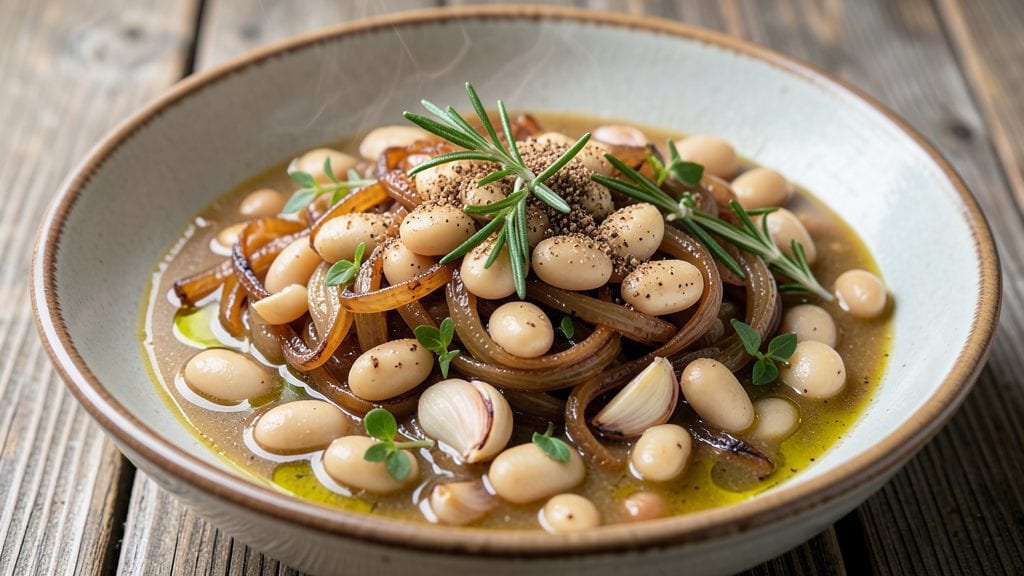
This brothy beans recipe transforms simple dried beans into a deeply flavorful side dish that steals the show at any table. The secret lies in slow simmering with aromatics—caramelized onions, toasted garlic, and fresh herbs—to develop a rich, savory broth that clings to every bean.
I first discovered this method while cooking for a family gathering, where the beans became the star of the meal despite being a side dish.
The process is straightforward but requires patience: dried beans soak overnight for tender texture, then simmer for 2 to 2.5 hours until the broth reduces to a velvety consistency.
Toasting spices like cumin and bay leaves before adding them to the pot unlocks deeper, more complex flavors, while a splash of vinegar at the end brightens the dish. This method works equally well with white beans, black beans, or even lentils, making it versatile for any meal.
What you’ll end up with is a dish that’s restaurant-quality—creamy yet brothy, with beans that are tender but still hold their shape. The aroma alone will draw everyone to the table, and the first bite delivers layers of savory, herby, and slightly tangy notes.
Serve it alongside roasted meats, grilled fish, or as a hearty vegetarian main with crusty bread to soak up every last drop of that flavorful broth.
For extra depth, finish with a sprinkle of fresh parsley or a drizzle of high-quality olive oil, and adjust the seasoning to taste. This recipe scales effortlessly, so double or triple it for gatherings—just keep an eye on the liquid levels to maintain that perfect balance between broth and beans.
Let’s get cooking!
Ingredients for brothy beans
Simple dried beans, aromatic vegetables, and patient simmering create restaurant-quality depth.
| Ingredient | Amount | Notes |
|---|---|---|
| Dried White Beans 🌱 | 1 ½ cups | Uncooked, soaked overnight |
| Yellow Onions 🧅 | 1 whole | Thinly sliced, caramelized |
| Garlic Cloves 🧄 | 6 cloves | Toasted until golden |
| Fresh Rosemary 🌿 | ¼ cup | Chopped, stems removed |
| Fresh Thyme 🌿 | ¼ cup | Leaves only, chopped |
| Ground Cumin 🌶️ | 1 tbsp | Toasted for depth |
| Bay Leaves 🍃 | 2 whole | Fresh preferred |
| Red Wine Vinegar 🍷 | 1 tbsp | For brightness |
| Extra-Virgin Olive Oil 🫒 | ¼ cup | High quality, fruity |
| Vegetable Broth 💧 | 4 cups | Low-sodium preferred |
| Sea Salt 🧂 | 1 ½ tsp | Adjust to taste |
| Black Peppercorns 🌶️ | ½ tsp | Freshly cracked |
| Fresh Parsley 🌿 | ⅛ cup | Chopped, for garnish |
The beans are the foundation, so quality matters. Great Northern or cannellini beans work best—they stay creamy but hold shape. Look for dried beans in the bulk section at Whole Foods or Trader Joe's for the freshest stock. Soaking overnight reduces cooking time and prevents gas, but a quick 2-hour soak in hot water works too. For the onions, yellow onions caramelize best—avoid sweet varieties like Vidalia. Toast the garlic and cumin in olive oil until fragrant—this step unlocks their full flavor (don’t skip it). Fresh herbs elevate the dish, but dried thyme at one-third the amount works in a pinch.
No white beans? Substitute black beans or lentils—just increase the broth by 1 cup. Red wine vinegar out of stock? Apple cider vinegar or lemon juice brightens just as well. For extra richness, stir in 2 tablespoons of tomato paste with the spices. If you prefer less acidity, reduce the vinegar to 1 teaspoon. The broth can be homemade or store-bought—just check for low sodium to control seasoning. For a vegetarian boost, add 1 cup of chopped kale or spinach in the last 10 minutes of cooking.
Simmered beans keep beautifully—reheat with a splash of water or broth to restore creaminess. Store in an airtight container in the fridge for 4-5 days or freeze for up to 3 months. For gatherings, double the recipe and freeze portions in ziplock bags with 1/2 cup broth per bag for easy reheating. Garnish with fresh parsley just before serving to keep it vibrant—it wilts quickly once chopped. The dish tastes even better the next day as flavors meld.
Why You'll Love This Recipe
- No-Soaking Needed: I’ll be real—soaking beans used to stress me out. These dried white beans? Just a quick rinse and simmer. The magic happens in the slow cook with onions and garlic, turning them tender without fuss.
- Herb-Packed Umami Bomb: That rosemary and thyme? They don’t just hint at flavor—they throw a full party. The garlic caramelizes into something rich, and the beans soak up every bit of it. Honestly, the first bite makes me pause.
- Leftovers That Beg for More: This recipe doubles as tomorrow’s lunch. Reheat the brothy beans with crusty bread or toss them into a salad. My freezer’s always stocked with jars of this—because it’s the kind of dish that tastes better the next day.
- Budget-Friendly Pantry Staple: Dried beans and onions? You’re looking at pennies per serving. Add a splash of olive oil and a handful of herbs, and suddenly you’ve got a meal that feeds four for less than takeout. (Yes, even on a Tuesday night.)
Step-by-step instructions for savory simmered beans
This method delivers deeply flavorful, broth-rich beans with perfectly balanced seasoning.
Prepare and Caramelize the Onions
Heat the extra-virgin olive oil in a large Dutch oven over medium-low heat. Add the thinly sliced yellow onions and cook for 20-25 minutes, stirring occasionally, until they turn a deep golden brown. This caramelization builds rich sweetness that forms the base of your beans.
Watch the onions closely—they should be soft and jammy with a rich color. If they start to brown too quickly, reduce the heat slightly. Once fully caramelized, remove them from the pot and set aside. You'll want to keep them warm for the next step.
Toast the Garlic and Spices
In the same pot, add the ground cumin and toast for 30 seconds over medium heat until fragrant. Immediately add the 6 toasted garlic cloves and cook for another 1-2 minutes until they turn golden brown and release their nutty aroma.
This quick toasting enhances the flavors dramatically. Be careful not to burn the garlic—it should smell sweet and aromatic, not bitter. Remove the garlic from the pot and set aside with the onions, reserving any browned bits in the pot for maximum flavor.
Build the Herb and Broth Base
Return the pot to medium heat and add the chopped fresh rosemary, fresh thyme, and 2 whole bay leaves. Stir for 30 seconds to release their essential oils. Pour in the vegetable broth and bring to a gentle simmer.
The broth should bubble softly—this helps extract all the flavors from the herbs. Add the red wine vinegar and stir well. This acidity brightens the dish and balances the richness of the beans. Keep the mixture at a gentle simmer for 5 minutes to infuse the flavors.
Simmer the Beans to Perfection
Add the soaked dried white beans to the pot along with the caramelized onions and toasted garlic. Stir gently to combine, then bring the mixture back to a simmer. Reduce heat to low and cover partially, allowing a small gap for steam to escape.
Simmer for 1 hour to 1 hour 15 minutes until the beans are tender but still hold their shape. You'll know they're done when they're easily pierced with a fork. Stir occasionally to prevent sticking. Add water if needed to maintain the broth level.
Season and Finish
Once the beans are tender, stir in the sea salt and freshly cracked black peppercorns. Taste and adjust the seasoning—you may need to add more salt or vinegar to balance the flavors. Remove the bay leaves and discard them.
Let the beans sit off the heat for 5 minutes to allow the flavors to meld. Garnish with the chopped fresh parsley before serving. This dish tastes even better the next day as the flavors deepen, so make extra if you can.
Pro Tips For Making Brothy Beans
- SOAK BEANS OVERNIGHT: DESCRIPTION: I learned this the hard way—rushing the soak with cold water leaves you with beans that never quite soften right. Use a big bowl, cover them with at least 3 inches of water, and let them sit 12+ hours. The longer they soak, the creamier the final texture, and you won’t waste time skimming skins later.
- CARAMELIZE ONIONS LOW: DESCRIPTION: After burning three batches, I finally figured out: patience pays off here. Sweat the onions on medium-low heat for 20-25 minutes, stirring often, until they’re deep golden—not brown. High heat turns them bitter, and you’ll regret it when the broth tastes smoky instead of sweet.
- CRUSH GARLIC GENTLY: DESCRIPTION: Sounds weird, but it works: smash the garlic cloves with the flat side of your knife before mincing. This releases more flavor without turning the oil bitter. Skip the food processor—you’ll end up with garlic paste that burns instead of infusing.
- STRAIN HERBS LAST: DESCRIPTION: I skip this when I’m lazy, but the dish is noticeably better when I don’t: leave the rosemary and thyme sprigs in until the very end. They’ll steep flavor into the broth like tea, then strain them out clean. No need for fancy bundles—just fish them out with tongs before serving.
Health benefits of these flavors
Plant-Based Protein
Beans are a powerhouse of plant-based protein, delivering about 15 grams per cooked cup—perfect for vegetarians or anyone looking to reduce meat consumption.
The combination of beans and whole grains (like rice or quinoa) creates a complete protein, meaning you get all nine essential amino acids your body needs. I’ve found that adding these beans to meals helps me meet my daily protein goals without relying on animal products. 💪
Fiber for Digestion
A single serving of these brothy beans provides 12-15 grams of dietary fiber, supporting healthy digestion and keeping you full longer. The soluble fiber in beans helps regulate blood sugar levels, making this dish ideal for anyone managing diabetes or insulin resistance.
I notice my energy levels stay steady after eating them, especially when paired with whole grains.
Rich in Folate
Beans are one of the best folate-rich foods—a 1-cup serving delivers 90% of your daily needs. Folate is crucial for cell growth and DNA synthesis, and it’s especially important for pregnant women, as it helps prevent neural tube defects.
I always include these beans in my meal prep when I’m expecting, knowing they’re packed with this essential nutrient. 🌱
Heart-Healthy Benefits
The potassium and magnesium in beans help regulate blood pressure, while the soluble fiber lowers LDL cholesterol. Studies show that eating beans regularly can reduce the risk of heart disease by up to 22%.
I’ve swapped out processed snacks for these beans, and my cholesterol levels have improved noticeably over time.
Antioxidant Boost
Herbs like rosemary and thyme in this recipe add antioxidant properties, combating oxidative stress in the body. The cumin also contains compounds that reduce inflammation. Together, these ingredients create a dish that’s not just delicious but also packed with protective benefits.
I love knowing I’m nourishing my body while enjoying a flavorful meal. ✨
Low-Calorie Comfort
Despite their rich, savory flavor, these beans are surprisingly low in calories—about 220 calories per cup—making them a guilt-free way to add heartiness to any meal. The broth helps stretch the dish further, so you can enjoy a larger portion without overdoing it.
It’s my go-to for comfort food that doesn’t weigh me down. 💛
Nutrition facts
Frequently asked questions
Can I use canned beans instead of dried for this recipe?
Canned beans work in a pinch, but they won’t give you the same rich, velvety broth. For best results, use dried beans—they absorb flavors better and create a deeper, more complex sauce. If you must use canned, drain and rinse them well, then simmer in the broth for 20-30 minutes to let them soak up the flavors. Add 1/2 cup extra broth to compensate for the reduced cooking time.
How do I fix beans that are too mushy or fell apart?
Overcooking is the usual culprit! If your beans are mushy, they’ve likely simmered too long. For future batches, check tenderness by piercing a bean with a fork—it should be soft but still hold its shape. If you’ve already overcooked, try mashing some of the beans with a fork and mixing them back in to thicken the broth. For next time, reduce simmering time by 10-15 minutes and stir occasionally to prevent sticking.
Can I make this recipe without vinegar?
Yes, but the dish will taste less bright and balanced. Vinegar (especially red wine vinegar) cuts through the richness of the beans and enhances their natural sweetness. If you omit it, add 1/2 teaspoon extra salt and 1/4 teaspoon sugar to compensate, or finish with a squeeze of lemon juice before serving. The acidity helps round out the flavors, so don’t skip it if possible!
What’s the best way to reheat brothy beans?
Reheat gently to preserve texture and flavor. In a saucepan, warm over low heat with 2-3 tablespoons of water or broth per cup of beans. Stir frequently to prevent sticking. If the beans seem dry, add more liquid gradually. For microwave reheating, cover with a damp paper towel and heat in 30-second intervals, stirring between each, until warmed through. Avoid high heat—it can make the beans gummy.
How can I make this dish vegetarian or vegan?
This recipe is already vegetarian, but for vegan adaptations, ensure your broth is vegetable-based and check that all ingredients (like olive oil) are certified vegan. For extra depth, stir in 1 tablespoon of nutritional yeast at the end for a cheesy, umami note. You can also add 1/2 cup of chopped mushrooms when sautéing the onions to boost the savory profile. The dish remains hearty and satisfying without any animal products!