
Side Dishes
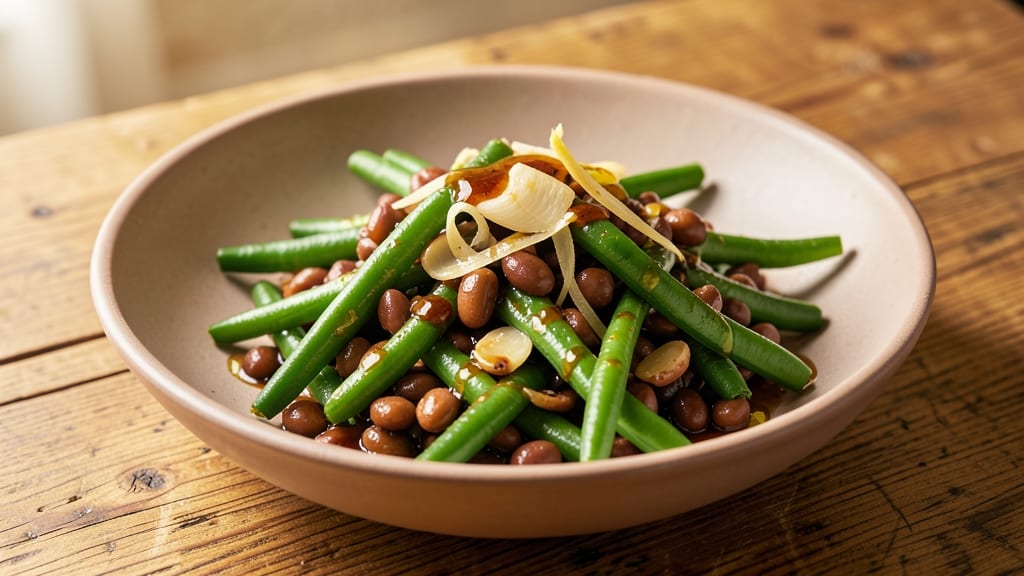
This green beans with fermented black beans recipe transforms simple ingredients into a side dish that packs bold umami flavor with every bite. The fermented black beans add a deep, savory punch that balances the fresh crunch of green beans, creating a dish that’s both restaurant-worthy and effortlessly adaptable.
I developed this recipe after realizing how much depth fermented beans bring to stir-fries and one-pan meals—it’s a game-changer for vegetarian dishes.
The beauty of this recipe lies in its simplicity: just a handful of ingredients, a 15-minute cooking time, and one pan to clean. The fermented black beans are sautéed until fragrant, then combined with green beans for a quick stir-fry that delivers crisp-tender texture and layers of flavor.
Garlic and ginger add warmth, while a splash of soy sauce ties everything together. It’s the kind of dish that elevates any meal without stealing the spotlight.
What you’ll end up with is a vibrant, umami-rich side that’s perfect alongside grilled meats, tofu, or even as a standalone light meal. The fermented black beans lend a tangy depth that cuts through richer dishes, while the green beans keep it fresh and satisfying.
This recipe is foolproof, adaptable, and delivers professional results with minimal effort—ideal for weeknight dinners or meal prep.
For extra protein, toss in chickpeas or shrimp; for heat, add a pinch of chili flakes. The possibilities are endless, but the core technique remains the same: bold flavor, quick cooking, and one-pan convenience. Let’s get started on this umami-packed masterpiece.
Ingredients for green beans with fermented black beans
Twelve ingredients, fifteen minutes, and one pan transform ordinary green beans into a restaurant-quality vegetarian dish.
| Ingredient | Amount | Notes |
|---|---|---|
| Fresh Green Beans 🥦 | 1 ½ lb | Trimmed, cut into 2-inch pieces |
| Fermented Black Beans 🫘 | 1 cup | Rinsed, drained, patted dry |
| Extra-Virgin Olive Oil 🫒 | 2 tbsp | High quality, fruity variety |
| Garlic Cloves 🧄 | 4 cloves | Minced, fresh preferred |
| Fresh Ginger 🌿 | 1 tbsp | Grated, finely minced |
| Light Soy Sauce 🍶 | 2 tbsp | Low sodium preferred |
| Sesame Oil 🫒 | 1 tsp | Toasted, for aroma |
| Toasted Sesame Seeds 🌾 | 1 tbsp | For garnish, optional |
| Diamond Crystal Kosher Salt 🧂 | ½ tsp | Fine grain preferred |
| Ground White Pepper 🌶️ | ¼ tsp | Freshly ground preferred |
| Red Chili Flakes 🔥 | ¼ tsp | Adjust for heat preference |
| Lemon Juice 🍋 | 1 tbsp | Freshly squeezed |
The fermented black beans are the flavor foundation—look for jars labeled 'naturally fermented' or 'Chinese black beans' in the international aisle of Whole Foods or Trader Joe's. Avoid pre-cooked varieties; the raw, fermented beans develop the most complex umami profile. If you can't find them, substitute with high-quality canned black beans (like Bush's no-salt-added), but soak and drain thoroughly. Fresh green beans should be vibrant, crisp, and free of woody ends—Trader Joe's and local farmers markets consistently deliver the best quality. Trim the ends carefully; even a tiny bit of stringiness ruins the texture. For the garlic, roasted garlic adds a sweet depth, but fresh minced garlic delivers the bright punch this dish needs.
No fermented black beans? Miso paste or soy sauce with a splash of vinegar can mimic the tangy depth, though the texture won't be identical. Substituting canned black beans works, but rinse them thoroughly to remove excess sodium. The sesame oil is non-negotiable for aroma—Kadoya or La Choy are reliable brands. For heat, gochugaru (Korean chili flakes) adds a fruity spice, while regular red chili flakes bring classic heat. The lemon juice brightens the dish; Meyer lemons add subtle sweetness, but regular lemons work fine. If you're short on time, pre-minced garlic and ginger from the jar save steps, though fresh is always superior. For extra protein, add 1 cup of cooked chickpeas or edamame—they hold up beautifully in the stir-fry.
Fermented black beans keep in the fridge for up to 3 months once opened, but their flavor peaks within 2 weeks. Store them in their liquid to preserve texture. Fresh green beans last 5-7 days in the fridge; for longer storage, blanch and freeze. This dish reheats beautifully—stir-fry over medium-high heat for 2-3 minutes to restore crispness. Garnish with toasted sesame seeds just before serving to prevent them from burning. The flavors meld even better the next day, making this an ideal meal prep candidate. Portion into containers with a drizzle of sesame oil to keep the beans from sticking.
Why You'll Love This Recipe
- No-Chop Nightmare: That jar of fermented black beans does all the prep work for you—no dicing, no peeling, just rinse and toss. Honestly, my lazy nights thank me every time I skip the knife.
- Umami Magic: The fermented black beans bring this dish to life with a funky, salty-sweet depth that makes plain green beans feel like a fancy restaurant side. That garlic-ginger oil? Pure flavor payday.
- Leftover Hero: Tastes even better the next day—cold in salads, reheated with rice, or straight from the fridge. I’ll be real: I’ve eaten this for breakfast. (Don’t judge.)
- Budget Power Move: Fresh green beans and a jar of fermented black beans stretch my grocery budget further than takeout ever could. Plus, that olive oil sizzle? Feels like a splurge for pennies.
Step-by-step instructions for green beans with fermented black beans
Transform simple ingredients into a vibrant, umami-rich dish with this straightforward one-pan method.
Prepare the Green Beans for Maximum Crunch
Trim the ends from the 1.5 lb fresh green beans and cut them into 2-inch pieces. I like to work in batches—start by snapping off the tough ends where the beans naturally bend, then measure each piece against a 2-inch reference on my cutting board. This ensures even cooking and consistent texture throughout the dish.
Transfer the trimmed beans to a large mixing bowl and set aside. The key here is to maintain their crisp-tender texture, so avoid overcrowding the pan later. If you're working with particularly thick beans, you might want to blanch them for 1 minute in boiling water before proceeding—this helps soften them slightly while preserving their vibrant green color.
Sauté Aromatics Until Fragrant
Heat the 2 tbsp extra-virgin olive oil in a large skillet over medium heat until shimmering. Add the 4 minced garlic cloves and 1 tbsp finely minced fresh ginger, stirring constantly for 30 seconds until the garlic becomes translucent and fragrant. This step builds the flavor foundation—don't rush it, as the raw garlic can taste bitter if overcooked.
Immediately add the 1 cup rinsed and drained fermented black beans to the pan. Stir well to combine with the aromatics, letting them cook for 2-3 minutes until they begin to sizzle and develop a slight crust. The fermented beans will release their complex, tangy flavors, creating a rich base for the dish. If you notice the beans sticking, add a splash of water to deglaze the pan and scrape up any browned bits from the bottom.
Season and Combine Ingredients
Add the prepared green beans to the skillet, tossing gently to coat them evenly in the aromatic oil and fermented bean mixture. Sprinkle over the 0.5 tsp diamond crystal kosher salt, 0.25 tsp ground white pepper, and 0.25 tsp red chili flakes, stirring to distribute the seasoning evenly. The salt will enhance the natural flavors, while the white pepper adds subtle warmth without overpowering the dish.
Pour in the 2 tbsp light soy sauce and 1 tbsp freshly squeezed lemon juice, tossing everything together to ensure the green beans absorb the savory-sweet and bright citrus notes. The lemon juice also helps balance the richness of the fermented beans. Let the mixture cook for 4-5 minutes over medium heat, stirring occasionally, until the green beans begin to soften slightly but still maintain their vibrant color and slight crunch.
Finish with Sesame Oil and Garnish
Reduce the heat to low and drizzle in the 1 tsp sesame oil. Toss the green beans and fermented black beans gently to coat them evenly in the fragrant oil. The sesame oil adds a nutty depth and aromatic finish that complements the umami flavors. Cook for an additional 1-2 minutes, just until the sesame oil is fully incorporated and the green beans reach your preferred tenderness—crisp-tender is ideal for this dish.
Remove the skillet from heat and transfer the green beans to a serving platter. Garnish with the 1 tbsp toasted sesame seeds, sprinkling them evenly over the top. The toasted seeds add both visual appeal and a subtle crunch that contrasts beautifully with the tender green beans. Serve immediately while the beans are still warm and vibrant, allowing the flavors to meld together perfectly.
Pro Tips For Making Green Beans With Fermented Black Beans
- Trim Beans Like a Pro: Cut the ends off your green beans at a 45-degree angle—it looks cleaner and prevents them from curling up while cooking. I used to just hack them off straight, and they’d always end up in a tangled mess in the pan.
- Bloom the Ginger First: Slice that fresh ginger paper-thin and fry it in the olive oil for 30 seconds before adding garlic. This pulls out the heat and aroma without turning the dish bitter—trust me, skipping this step means missing out on depth.
- Don’t Overcrowd the Pan: Cook the green beans in batches if needed—too many at once steams them instead of crisps them. I learned this after making mushy green beans twice in a row, and now I swear by a single layer in the pan.
- Save the Fermented Juice: Strain the fermented black beans but keep that briny liquid—it’s packed with flavor. Toss the cooked green beans in it at the end for an extra umami punch. I was skeptical until I tried it, and now it’s non-negotiable.
Wine and beer pairings for this green beans with fermented black beans
Light White Wine
This dish’s bright, umami-forward flavors pair beautifully with a crisp Sauvignon Blanc from New Zealand or Loire Valley, France. Look for wines with citrus notes—Cloudy Bay or Oyster Bay—that cut through the fermented black beans’ tang while complementing the green beans’ freshness.
The acidity refreshes your palate between bites, making it my go-to choice. 🍷
Dry Riesling
A German or Alsace Riesling with its signature mineral edge and subtle sweetness elevates the dish’s complexity. The stone fruit undertones in Dr. Loosen Blue Slate or Trimbach harmonize with the fermented beans’ funk, while the wine’s acidity balances the soy sauce’s richness. Chill to 45-50°F for optimal contrast.
Light-Bodied Beer
For beer lovers, a Japanese lager like Asahi Super Dry or Sapporo offers a clean, slightly crisp profile that won’t overpower the dish. The subtle malt sweetness pairs well with the sesame oil’s nuttiness, while the effervescence cleanses the palate. Avoid heavy IPAs—they’ll clash with the delicate umami.
Sparkling Wine
If you’re serving this as a light meal, a Prosecco or Cava adds a festive touch. The bubbles enhance the dish’s freshness, while the wine’s floral notes brighten the fermented beans’ depth. La Marca Prosecco or Freixenet Cordon Negro are reliable choices that won’t overpower the flavors.
Red Wine Option
If you prefer red, a light Pinot Noir from Oregon or Burgundy—like Domaine Serene or Louis Jadot—works surprisingly well. Its red fruit notes and silky tannins mirror the dish’s umami without competing. Decant for 15-20 minutes to soften any harshness and enhance aroma.
Nutrition facts
Frequently asked questions
What makes fermented black beans different from regular black beans?
Fermented black beans undergo a natural fermentation process that develops deep umami flavors and a tangy, slightly funky taste. Unlike regular black beans, they're not pre-cooked or canned—they're preserved in brine, which enhances their complex flavor profile. This dish relies on their fermented character for that signature savory punch you can't get from canned beans.
Can I use canned black beans instead of fermented ones?
Yes, but the flavor will be different. Rinse 1 cup of canned black beans thoroughly to remove excess sodium, then soak them in 1/4 cup water with 1 tsp vinegar for 15 minutes to mimic fermentation's tang. Drain well before using. For best results, look for low-sodium varieties like Bush's no-salt-added. The texture won't be identical, but it'll still work in a pinch.
How do I prevent the green beans from getting mushy?
Cook them for only 4-5 minutes total after adding to the pan, and work in batches if needed. Overcrowding the pan steams the beans instead of sautéing them—keep them in a single layer. For extra-crisp results, blanch the beans for 1 minute in boiling water before stir-frying. The key is high heat (medium-high) and constant stirring to maintain that perfect crisp-tender texture.
What's the best way to store leftovers?
Transfer leftovers to an airtight container and store in the fridge for up to 4 days. Reheat in a skillet over medium-high heat for 2-3 minutes, adding a splash of water to restore crispness. The flavors actually improve overnight as the beans absorb the aromatics. For longer storage, freeze for up to 3 months—just thaw in the fridge before reheating.
Can I make this dish spicier?
Add 1/2 tsp of gochugaru (Korean chili flakes) for fruity heat or 1/4 tsp of cayenne pepper for smoky spice. For extra kick, toss in 1 tbsp of minced fresh Thai chili or serve with a side of sriracha. The fermented beans already have depth, so you can adjust heat to your preference without overpowering the dish.