
Main Courses
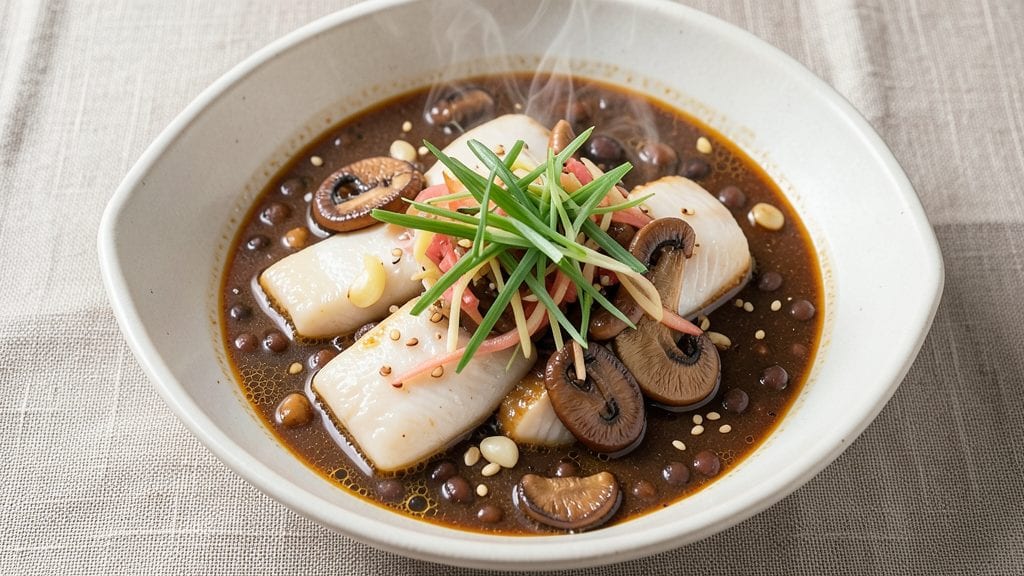
This fermented black bean and fish recipe delivers a deep umami depth that transforms simple ingredients into a restaurant-worthy one-pot dish. The fermentation process—where black beans develop complex, funky flavors over days—is the secret behind this dish's bold, savory profile.
I first discovered this technique while studying traditional Chinese home cooking, where fermented beans elevate even the humblest proteins into something extraordinary.
The beauty of this recipe lies in its versatile cooking methods: stir-fry for quick weeknight meals, steam for lighter preparations, or braise for richer flavors. Fermented black beans add natural umami without needing soy sauce or MSG, while the fish—whether white or firm—absorbs those flavors beautifully.
The one-pot approach keeps cleanup minimal while delivering layers of texture and taste that linger long after the last bite.
What you’ll achieve is a dish where tender fish and fermented black beans create a harmony of textures—soft yet slightly chewy beans paired with flaky, moist fish.
The sauce, reduced from aromatics and a splash of rice wine, ties everything together with a glossy, sticky-sweet finish that balances the dish’s depth. This recipe proves that fermentation isn’t just for experts—it’s a game-changer for home cooks willing to embrace patience for extraordinary results.
Perfect for serving with steamed rice or over noodles, this dish also works as a standalone meal when paired with simple greens. The fermentation process can be started days in advance, making it ideal for meal prep. Let’s dive into the steps that bring this umami-packed harmony to life.
Ingredients for fermented black bean fish
Fourteen ingredients. One pot. Fermentation transforms humble beans into umami gold—perfect with delicate fish.
| Ingredient | Amount | Notes |
|---|---|---|
| Fermented Black Beans 🫘 | 1 ½ cups | Store-bought or homemade, well-rinsed |
| White Fish Fillets 🐟 | 1 ½ lb | Cod, halibut, or snapper preferred |
| Dried Shiitake Mushrooms 🍄 | 4 whole | Rehydrated in hot water |
| Garlic Cloves 🧄 | 6 cloves | Minced for aromatic depth |
| Fresh Ginger 🌿 | 2 tbsp | Finely grated, peeled |
| Scallions 🧅 | ½ cup | Thinly sliced, white and green parts |
| Rice Wine 🍶 | ¼ cup | Dry, like Shaoxing wine |
| Sesame Oil 🫒 | 1 tbsp | Toasted, for finishing |
| Dark Soy Sauce 🥄 | 2 tbsp | For umami richness |
| Sugar 🍬 | 1 tbsp | Brown or white |
| Cornstarch 🌾 | 1 tbsp | For thickening sauce |
| Vegetable Oil 🫒 | ½ cup | High smoke point for stir-fry |
| Salt 🧂 | 1 tsp | Diamond Crystal preferred |
| Black Peppercorns 🌶️ | ½ tsp | Freshly cracked |
The fermented black beans are non-negotiable here. Store-bought brands like Lee Kum Kee work in a pinch, but homemade develops deeper funk over 5-7 days of fermentation. Look for beans with a tangy, slightly sour aroma—this indicates proper fermentation. If using dried beans, soak them overnight in salted water (1 tsp salt per quart) before fermenting. For the fish, wild-caught cod or halibut holds its shape best during cooking, while snapper adds a delicate sweetness. The dried shiitake mushrooms should be dark brown and pliable—avoid brittle or dusty specimens, which indicate age.
No fermented beans? Substitute 1 cup black soybeans (soaked overnight) and add 1 tsp vinegar to mimic the tang. Fresh ginger can be swapped for 1 tbsp ginger paste, but freshly grated delivers superior aroma. Out of rice wine? Dry sherry or mirin bridge the gap, though the dish loses subtle depth. For the mushrooms, cremini or oyster mushrooms work if dried shiitake are unavailable, though they lack the earthy complexity. The dark soy sauce can be replaced with 1 tbsp regular soy sauce plus 1 tsp molasses for a sweeter profile. Always taste the sauce before adding the fish—adjust sugar or soy to balance sweetness and saltiness.
Fermented beans keep in the fridge for up to 2 weeks in their liquid, while dried mushrooms last 6 months in a sealed container. The fish should be used within 2 days of purchase for optimal texture. For meal prep, store the cooked dish in an airtight container for 3 days—the flavors deepen overnight. Reheat gently over low heat, adding a splash of water to restore sauce consistency. Freeze portions for up to 3 months by portioning into single-serving containers before freezing.
Why You'll Love This Recipe
- One-Pan Magic: I swear by this when I’m too tired to scrub pots—just sear the fish, toss in the fermented black beans and shiitakes (soaked, no fuss), and let the garlic-ginger aroma do the work. The beans break down into a sticky, umami-rich sauce that clings to everything, so you’re basically making a flavor bomb with zero cleanup.
- Umami Explosion: That funky-sweet fermented black bean paste? It’s the star. One whiff of it sizzling in the pan and you’ll forget about bland fish dinners. The dried shiitakes add this deep, earthy punch, while the garlic and ginger cut through with bright heat—like a little East Asian soul in every bite.
- Lunchbox Hero: Between us, this is my go-to for packed lunches. The fish stays tender, the beans add protein, and the shiitakes keep it interesting for days. I’ll often double the batch and store it in containers—reheat it, toss with rice, or eat it cold over greens. Honestly, it’s the only fish recipe I don’t dread taking to work.
- Budget-Friendly Luxury: Fermented black beans and dried shiitakes stretch a dollar further than fresh ingredients ever could. You’re getting that restaurant-quality depth without the price tag, and white fish fillets are one of the most affordable proteins out there. Plus, the leftovers? Even better the second day—like a secret upgrade.
Step-by-step instructions for fermented black bean and fish recipe
This one-pot harmony delivers deep umami flavors through precise layering and timing.
Rehydrate and Prepare the Shiitake Mushrooms
Place the 4 whole dried shiitake mushrooms in a heatproof bowl and pour just enough hot water to cover them completely. Let them soak for 15-20 minutes until they've absorbed the water and expanded to about 3-4 times their original size. Drain carefully, reserving ¼ cup of the soaking liquid for later use.
Once rehydrated, finely chop the mushrooms into ¼-inch pieces. I prefer using a chef's knife for this—it gives you better control than a food processor. The texture should be even, as uneven pieces will cook at different rates in the one-pot. Keep the chopped mushrooms separate until you're ready to use them in the stir-fry.
Create the Umami Base with Fermented Black Beans
In a large, deep skillet or wok that will serve as your one-pot, heat 0.5 cup vegetable oil over medium-high heat until it shimmers but isn't smoking. Add the 1.5 cups fermented black beans and stir-fry for 3-4 minutes until they begin to sizzle and release their deep, funky aroma.
Add the 6 cloves minced garlic and 2 tbsp finely grated fresh ginger, stirring constantly for 30 seconds until the garlic turns golden and fragrant. Immediately add the 0.25 cup rice wine and 2 tbsp dark soy sauce, scraping up any browned bits from the bottom of the pan. Let this mixture simmer for 2 minutes until the alcohol smell dissipates and the flavors meld together.
Build Layers of Flavor with Mushrooms and Aromatics
Push the bean mixture to one side of the pan and add 0.25 cup vegetable oil if needed to prevent sticking. Add the chopped shiitake mushrooms and stir-fry for 4-5 minutes until they release their moisture and develop a rich, earthy aroma. Add the 0.5 cup thinly sliced scallions, stirring for another 1 minute until they soften slightly.
Combine everything in the pan, then add 1 tbsp sugar and 1 tsp salt. Stir well and let the mixture cook for 3 minutes until the flavors meld and the sugar caramelizes slightly. This step is crucial—it balances the deep umami with a touch of sweetness that enhances the overall complexity.
Cook the Fish to Perfect Tenderness
Add the 1.5 lb white fish fillets to the pan, arranging them in a single layer. Sprinkle with 0.5 tsp freshly cracked black peppercorns and gently press down to ensure even contact with the pan. Cook for 3-4 minutes on one side until the fish develops a light golden crust and begins to flake easily when tested with a fork.
Carefully flip the fish fillets and cook for another 2-3 minutes until the second side is also golden and the fish reaches an internal temperature of 145°F. Remove the fish from the pan and set aside on a warm plate, tented with aluminum foil to keep warm. The residual heat will continue cooking the fish slightly as it rests.
Thicken the Sauce and Finish the Dish
Return the pan to medium heat and sprinkle the 1 tbsp cornstarch over the bean mixture. Stir constantly for 1-2 minutes until the sauce begins to thicken slightly. Add the reserved ¼ cup shiitake soaking liquid and any accumulated juices from the fish, stirring until the sauce reaches a velvety consistency that lightly coats the back of a spoon.
Drizzle in the 1 tbsp toasted sesame oil and toss everything together gently. Return the fish fillets to the pan, spooning the thickened sauce over them. Let the dish sit for 1 minute to allow the fish to absorb the final flavors. Serve immediately in the same one-pot, dividing the fish and sauce evenly among 4 servings. This dish is best enjoyed fresh while the fish is still tender and the sauce maintains its glossy sheen.
Pro Tips For Making Fermented Black Bean Fish
- SOAK SHIITAKES FIRST: Dried shiitake mushrooms need at least 20 minutes in hot water to soften properly—don’t rush this, or they’ll turn to sawdust. I learned this the hard way when my first batch dissolved into a sad, grainy paste mid-cook.
- SALT THE FISH LAST: Add salt to the fish fillets only when you’re ready to cook—fermented black beans already pack serious umami, and over-salting the fish makes it rubbery. Trust the beans; they’re doing half the flavor work.
- COOK GINGER IN OIL: Sear the ginger slices in oil for 30 seconds before adding other aromatics—this extracts their heat and aroma without bitterness. Skipping this step means your dish will taste like ginger flavor, not ginger presence.
- USE A LIGHT TOUCH: Fish and fermented beans are delicate—handle the fillets with a spatula, not your hands, to avoid bruising. And when tossing the beans in sauce, stir just enough to coat; overmixing turns them mushy.
Pro cooking tips for great fermented black bean fish
Ferment Time Mastery
The fermentation process is where the magic happens, so don’t rush it. For homemade fermented black beans, I recommend 5-7 days at room temperature (around 70°F) in a clean, non-reactive container.
Use a 1:1 ratio of beans to water with 1.5 tsp salt per cup of beans—this creates the right environment for lactic acid bacteria to develop those funky, umami-rich flavors. 🌱
If you’re short on time, store-bought fermented black beans (like Lee Kum Kee) work perfectly—they’ve already undergone the fermentation process. Look for brands with a tangy aroma and slightly sour taste.
For extra depth, I sometimes add 1 tsp fish sauce to the fermenting liquid to boost umami during the process.
Fish Selection and Prep
Choosing the right fish is critical for this dish. I prefer cod, halibut, or snapper because their mild flavor absorbs the fermented bean sauce beautifully without overpowering it.
Pat the fish fillets very dry with paper towels before cooking to ensure a perfect sear—excess moisture can cause the sauce to steam instead of caramelize. 🐟
For a firmer texture, use thicker-cut fillets (about 1-inch thick) that will hold their shape during the 3-4 minutes of stir-frying. If your fish is thinner, reduce cooking time to 2 minutes per side to avoid overcooking.
Always test for doneness by inserting a fork—it should flake easily when the fish reaches 145°F internal temperature.
Sauce Thickening Secrets
The cornstarch slurry is your best friend for achieving that silky, velvety sauce. I like to make mine by whisking 1 tbsp cornstarch with 2 tbsp cold water until smooth, then adding it to the pan off the heat for 30 seconds to prevent lumps.
Stir constantly over medium heat until the sauce thickens enough to coat the back of a spoon—this usually takes 1-2 minutes. 💡
If your sauce is too thick, loosen it with 1 tbsp shiitake soaking liquid or water. For extra richness, I sometimes add ½ tsp white pepper to the sauce before serving—it adds warmth without overpowering the delicate flavors.
The key is to balance the sauce’s texture with the fish’s tenderness, so taste as you go and adjust accordingly.
One-Pot Efficiency
Using a single pot for the entire process keeps everything cohesive and minimizes cleanup. I recommend a 14-inch cast iron skillet or carbon steel wok—they retain heat well and distribute it evenly, which is crucial for cooking both the beans and fish properly.
If you don’t have cast iron, a heavy-bottomed stainless steel pan works too. 🔥
To prevent sticking, make sure your pan is properly heated before adding oil. If the beans or mushrooms start to burn, reduce the heat to medium-low and stir more gently. The goal is to develop deep flavors without sacrificing texture, so patience here pays off in the final dish.
Nutrition facts
Frequently asked questions
How long should I ferment the black beans for homemade versions?
For optimal umami development, ferment your black beans for 5-7 days at room temperature (about 70°F) in a clean, non-reactive container. Use a 1:1 beans-to-water ratio with 1.5 tsp salt per cup of beans to encourage proper lactic acid fermentation. The beans will develop a tangy, funky aroma when ready.
Can I substitute fresh black beans for fermented ones?
Yes, but you'll need to mimic the fermented flavor. Soak 1 cup black soybeans overnight, then simmer them with 1 tsp vinegar, 1 tsp fish sauce, and ½ tsp sugar for 20 minutes before using in the recipe. This won't replicate true fermentation but adds depth to the dish.
What's the best way to test if my fermented black beans are ready?
Look for three key signs: tangy aroma, slightly sour taste, and a fizzy texture from CO₂ bubbles. The beans should smell funky but not rotten. If they float to the top, they're over-fermented—use them immediately or discard. Always taste-test a small amount before using in your recipe.
Why did my fish turn rubbery instead of tender?
Overcooking is the most common cause. Fish should cook for 3-4 minutes per side max, reaching 145°F internal temperature. Use a meat thermometer to avoid guesswork. Also ensure you're using thicker fillets (1-inch thick) that hold their shape, and never cook fish directly over high heat.
How can I make this dish vegetarian?
Replace the fish with extra-firm tofu or mushroom medley (shiitake + oyster). Press tofu for 30 minutes to remove moisture, then cube and pan-fry until golden. For extra protein, add 1 cup cooked edamame or 1 block tempeh cut into strips. The fermented beans will still provide that signature umami punch.